
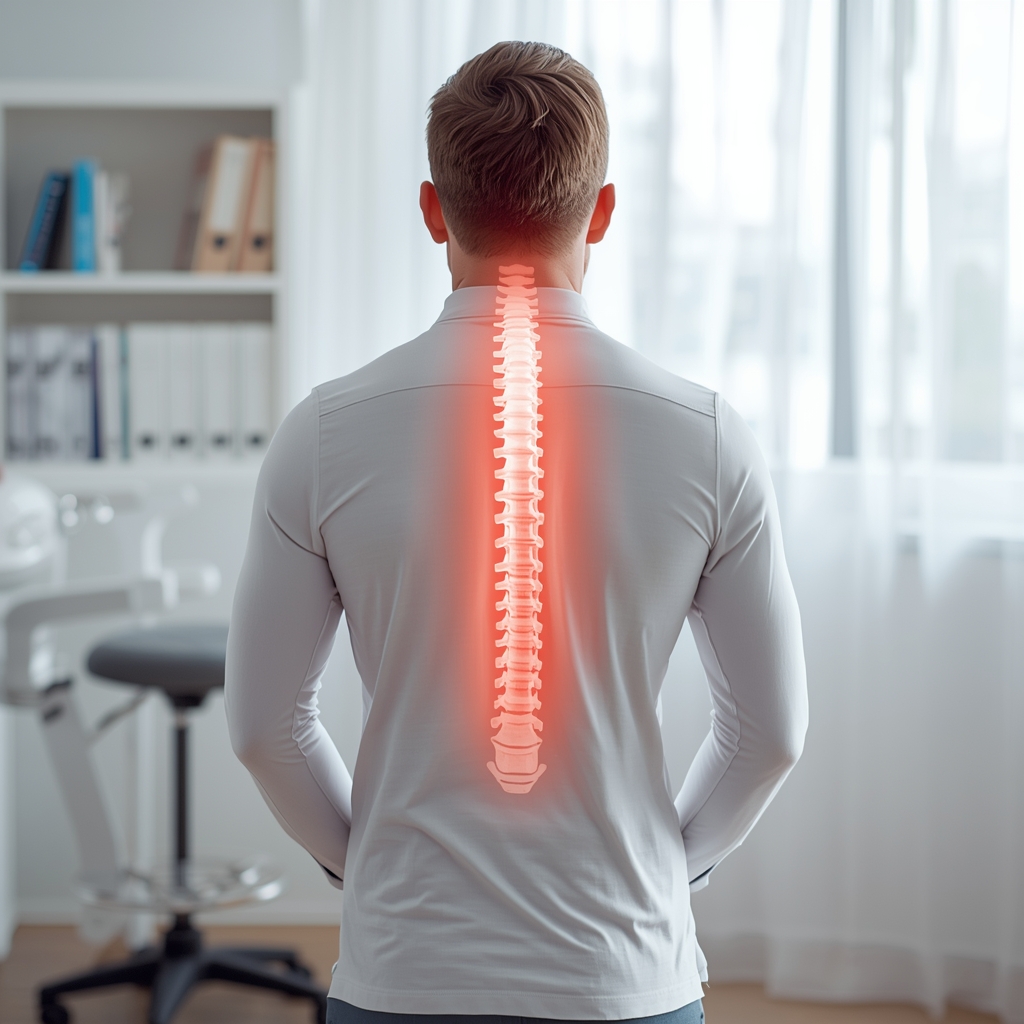
The Anatomical Link Between Thoracic Spine and Respiratory Function
The thoracic spine, located in the upper back, plays a critical role in respiratory mechanics. Its vertebrae articulate with the ribs, forming the thoracic cage that protects vital organs and facilitates lung expansion. Restricted movement in this region can compromise rib mobility, reducing the efficiency of inhalation and exhalation. Chronic upper back pain often leads to postural compensations, such as rounded shoulders or a hunched posture, which further limit chest cavity expansion. This connection highlights why addressing thoracic spine mobility may impact breathing patterns, making it a focal point for both pain management and respiratory health.
How Thoracic Spine Mobilization Improves Breathing
Thoracic spine mobilization techniques aim to restore normal movement in the mid-back, which can enhance respiratory function. By gently manipulating or stretching the thoracic vertebrae and surrounding soft tissues, these interventions may reduce stiffness and improve rib cage flexibility. This increased mobility allows for deeper, more efficient breathing by enabling the diaphragm to move freely. Patients with chronic upper back pain often report improved breath control and reduced shortness of breath after such treatments. However, results vary, and individual responses should be evaluated by a qualified chiropractor to ensure safety and effectiveness.
Physiological Mechanisms Behind the Connection
The relationship between thoracic spine mobility and respiration involves multiple physiological systems. The thoracic spine's alignment affects the position of the rib cage, which directly influences lung volume and airflow. Restricted motion can lead to shallow breathing, as the body compensates by using accessory muscles in the neck and shoulders. Mobilization techniques may alleviate this by restoring proper joint function and reducing nerve irritation that contributes to pain and restricted movement. Additionally, improved posture from these interventions can enhance overall respiratory efficiency, creating a feedback loop that supports both spinal and pulmonary health.
Evidence Supporting Thoracic Mobilization for Respiratory Benefits
While specific studies on thoracic spine mobilization and respiratory function are limited, general research on spinal manipulation and breathing suggests potential benefits. Studies on patients with musculoskeletal conditions often note improvements in respiratory parameters after spinal adjustments. For example, a 2018 review in the Journal of Manipulative and Physiological Therapeutics highlighted that spinal manipulative therapy may enhance lung function in some cases. However, more targeted research is needed to confirm these effects. Clinicians often observe anecdotal improvements in breathing patterns following thoracic mobilization, reinforcing the need for further investigation into this connection.
Clinical Implications for Chronic Upper Back Pain Patients
For individuals with chronic upper back pain, thoracic spine mobilization offers a non-invasive approach to address both pain and potential respiratory limitations. By improving spinal alignment and reducing muscular tension, these techniques may alleviate discomfort while indirectly supporting breathing. However, patients should consult a chiropractor to determine if this intervention aligns with their specific condition. A personalized assessment can identify whether thoracic restrictions contribute to their symptoms and guide appropriate treatment. Combining mobilization with other therapies, such as posture correction or exercise, may optimize outcomes for those seeking holistic care.
Conclusion: A Holistic Approach to Spinal and Respiratory Health
The interplay between thoracic spine mobility and respiratory function underscores the importance of a comprehensive approach to patient care. While thoracic mobilization shows promise in improving breathing for those with upper back pain, it should be part of a broader treatment plan. Healthcare providers must consider individual patient needs, as results can vary based on the underlying causes of pain and respiratory challenges. Ongoing research will help clarify the extent of this connection, but current evidence supports exploring spinal interventions as a complementary strategy for enhancing both spinal and pulmonary well-being.













