
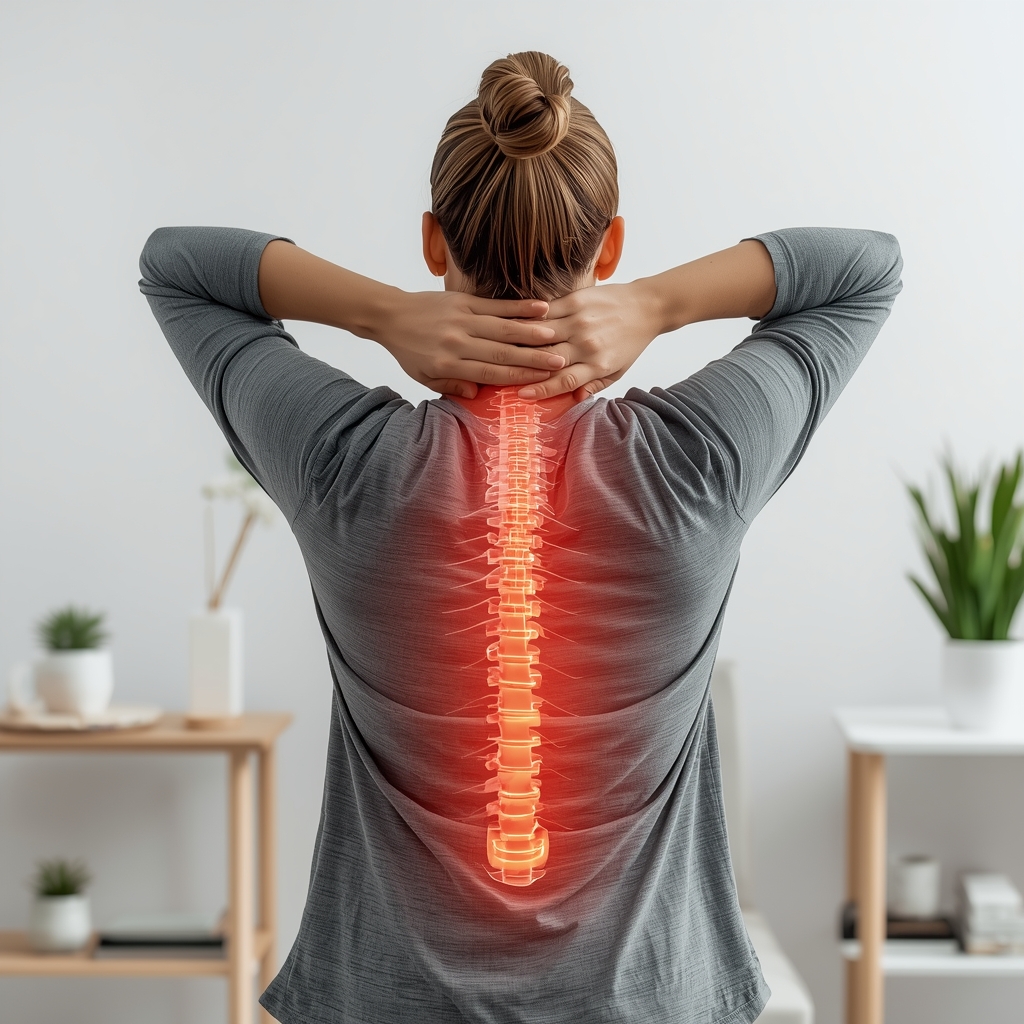
Understanding the Link Between Computer Use and Upper Back Pain
Chronic upper back pain from prolonged computer use often stems from poor posture, repetitive strain, and insufficient movement. Sitting for extended periods can lead to muscle imbalances, restricted thoracic mobility, and increased tension in the shoulders and neck. The thoracic spine, located between the cervical and lumbar regions, plays a critical role in maintaining proper posture and facilitating movement. When this area becomes stiff or misaligned, it can contribute to discomfort and reduced functional capacity. Addressing these issues requires a combination of targeted exercises and ergonomic adjustments to alleviate pressure and restore natural spinal mechanics. Understanding the root causes of this pain is the first step in developing an effective, personalized strategy for relief.
Thoracic Spine Mobilization Exercises for Relief
Thoracic spine mobilization exercises can help improve flexibility, reduce stiffness, and alleviate upper back pain. Simple movements like the cat-cow stretch, child’s pose, and thoracic rotations can gently encourage movement in the mid-back region. Foam rolling or using a mobility ball to target tight muscles around the thoracic spine may also provide relief. These exercises work by releasing tension in the surrounding musculature and promoting better alignment. However, it’s important to perform them slowly and mindfully to avoid overexertion. A chiropractor can guide patients in selecting the most appropriate exercises based on their specific condition and goals.
Ergonomic Adjustments to Alleviate Computer-Related Strain
Optimizing workspace ergonomics is essential for preventing and managing upper back pain caused by computer use. Adjusting monitor height to eye level, using an ergonomic chair with proper lumbar support, and positioning the keyboard and mouse within easy reach can reduce unnecessary strain. Standing desks or alternating between sitting and standing throughout the day may also help. Additionally, taking regular breaks to stretch and move can counteract the effects of prolonged static postures. These adjustments aim to create a workspace that supports natural spinal curvature and minimizes the risk of developing chronic discomfort.
Combining Exercises and Ergonomics for Long-Term Relief
A holistic approach that integrates thoracic mobilization exercises with ergonomic modifications often yields the best results. For example, performing mobility exercises before or after work sessions can counteract stiffness, while ergonomic adjustments ensure the body remains in a neutral, supportive position during tasks. Consistency is key, as both strategies require regular practice to maintain their benefits. Patients may also benefit from incorporating posture-correcting tools, such as lumbar cushions or posture braces, into their routine. By addressing both physical limitations and environmental factors, individuals can create a sustainable plan to manage and prevent upper back pain.
When to Consult a Chiropractor for Personalized Care
While self-care strategies can be effective, persistent or severe upper back pain may require professional intervention. A chiropractor can assess the underlying causes of discomfort, such as spinal misalignments or muscle imbalances, and develop a tailored treatment plan. They may recommend specific mobilization techniques, soft tissue therapies, or adjustments to address structural issues. Additionally, a chiropractor can provide guidance on selecting the right ergonomic tools and exercises for an individual’s lifestyle. Early consultation can prevent minor issues from escalating into chronic conditions, ensuring long-term spinal health and functional mobility.
Building a Sustainable Routine for Spinal Health
Managing chronic upper back pain from computer use involves more than temporary fixes—it requires a commitment to long-term spinal health. Establishing a daily routine that includes thoracic exercises, ergonomic habits, and regular movement can significantly reduce discomfort. Patients should also stay attuned to their body’s signals, adjusting their approach as needed. Education on proper posture and body mechanics plays a vital role in preventing future issues. By combining proactive self-care with professional guidance, individuals can achieve lasting relief and maintain an active, pain-free lifestyle.














