
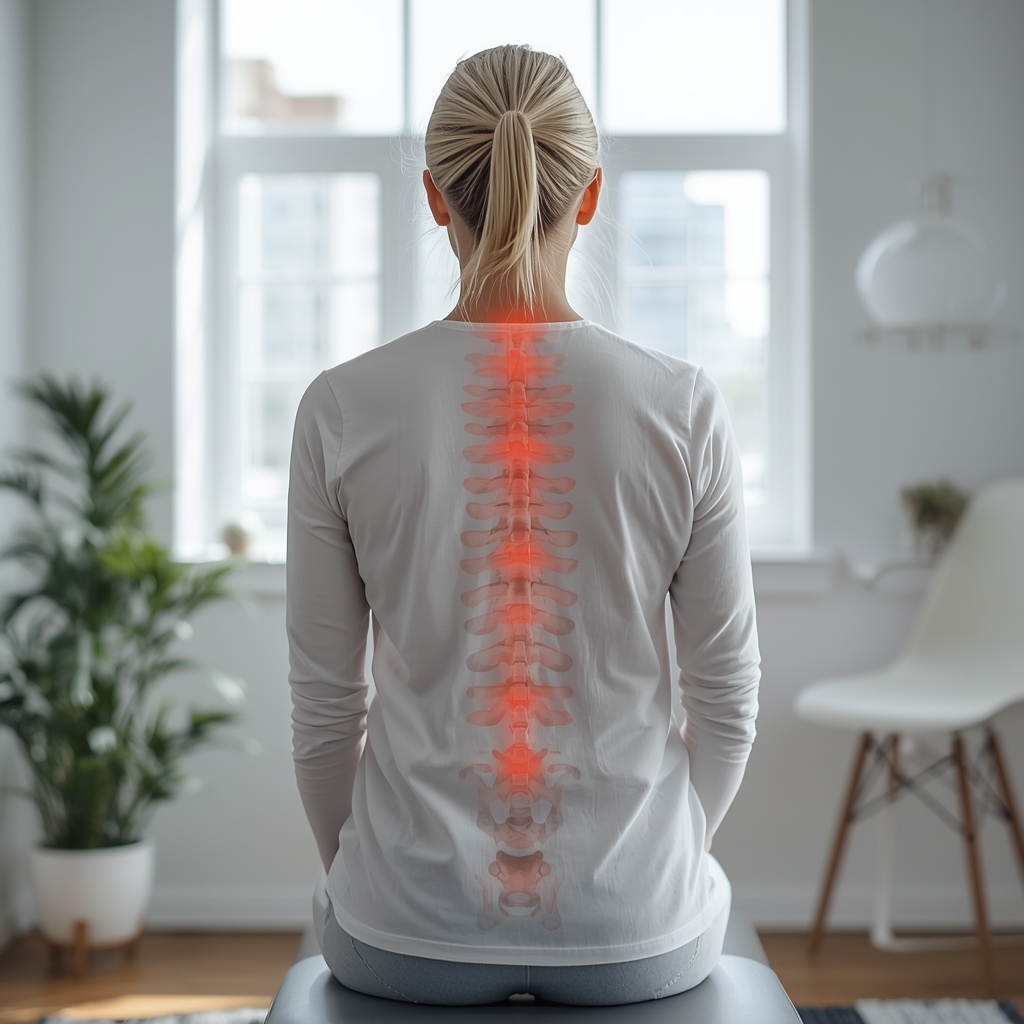
Understanding Adult Scoliosis and Its Unique Challenges
Scoliosis in adults involves abnormal spinal curvature that develops or persists beyond skeletal maturity. Unlike adolescent scoliosis, which often stems from growth-related factors, adult cases may result from degenerative changes, prior injuries, or untreated childhood curves. Symptoms like chronic pain, reduced mobility, and postural imbalances can significantly impact quality of life. While some adults manage symptoms with conservative care, others seek chiropractic interventions to address structural and functional concerns. It’s important to note that treatment approaches differ due to the spine’s altered biomechanics in adulthood, emphasizing the need for personalized strategies.
Common Chiropractic Techniques for Adult Scoliosis
Chiropractors may employ a range of techniques to support adults with scoliosis, focusing on pain relief and improved function. Spinal adjustments aim to reduce misalignments and enhance mobility, while soft tissue therapies like myofascial release address muscle tension contributing to discomfort. Instrument-assisted techniques, such as the Graston Technique, can target scar tissue and improve flexibility. Additionally, rehabilitative exercises may be recommended to strengthen core muscles and stabilize the spine. These methods are often part of a broader plan, with outcomes varying based on the individual’s condition and overall health.
Key Differences Between Adult and Adolescent Approaches
Adolescent scoliosis treatments often prioritize monitoring and bracing to prevent progression during growth spurts. In contrast, adult care focuses on managing symptoms and maintaining function, as the spine is less responsive to structural correction. Chiropractors may use gentler adjustments for adults to avoid exacerbating degenerative issues. While adolescents might benefit from more aggressive interventions, adults require careful, gradual approaches that account for age-related spinal changes. These distinctions highlight the importance of tailoring care to the patient’s developmental stage and specific needs.
The Role of Rehabilitation and Exercise in Adult Care
Rehabilitation plays a critical role in adult scoliosis management, often complementing chiropractic adjustments. Corrective exercises, such as those targeting postural imbalances, can improve spinal alignment and reduce strain on affected areas. Physical therapy may also incorporate stretching and strengthening routines to enhance flexibility and stability. Chiropractors frequently collaborate with physiotherapists to design personalized programs, ensuring safe and effective progress. These exercises are not a substitute for professional care but can support long-term outcomes when integrated into a comprehensive treatment plan.
Patient Considerations and Safety in Adult Treatment
Adults with scoliosis often have comorbidities like osteoporosis or arthritis, which influence treatment choices. Chiropractors must carefully evaluate these factors to avoid risks associated with high-velocity adjustments. Instead, they may opt for low-force techniques or complementary therapies like cold laser treatment. Open communication between patient and provider is essential to address concerns and set realistic expectations. Regular reassessments help monitor progress and adjust strategies as needed, ensuring care remains both effective and safe for the individual’s unique condition.
Consulting a Chiropractor for Personalized Care
Each adult’s scoliosis presents differently, requiring a tailored approach to care. A qualified chiropractor can assess the spine’s condition, discuss potential techniques, and create a plan aligned with the patient’s goals. While no single method works for everyone, combining adjustments, rehabilitation, and lifestyle modifications often yields the best results. Patients should seek practitioners with experience in adult spinal conditions and maintain regular follow-ups to track progress. Ultimately, collaboration between the patient and chiropractor is key to navigating the complexities of adult scoliosis management.













