
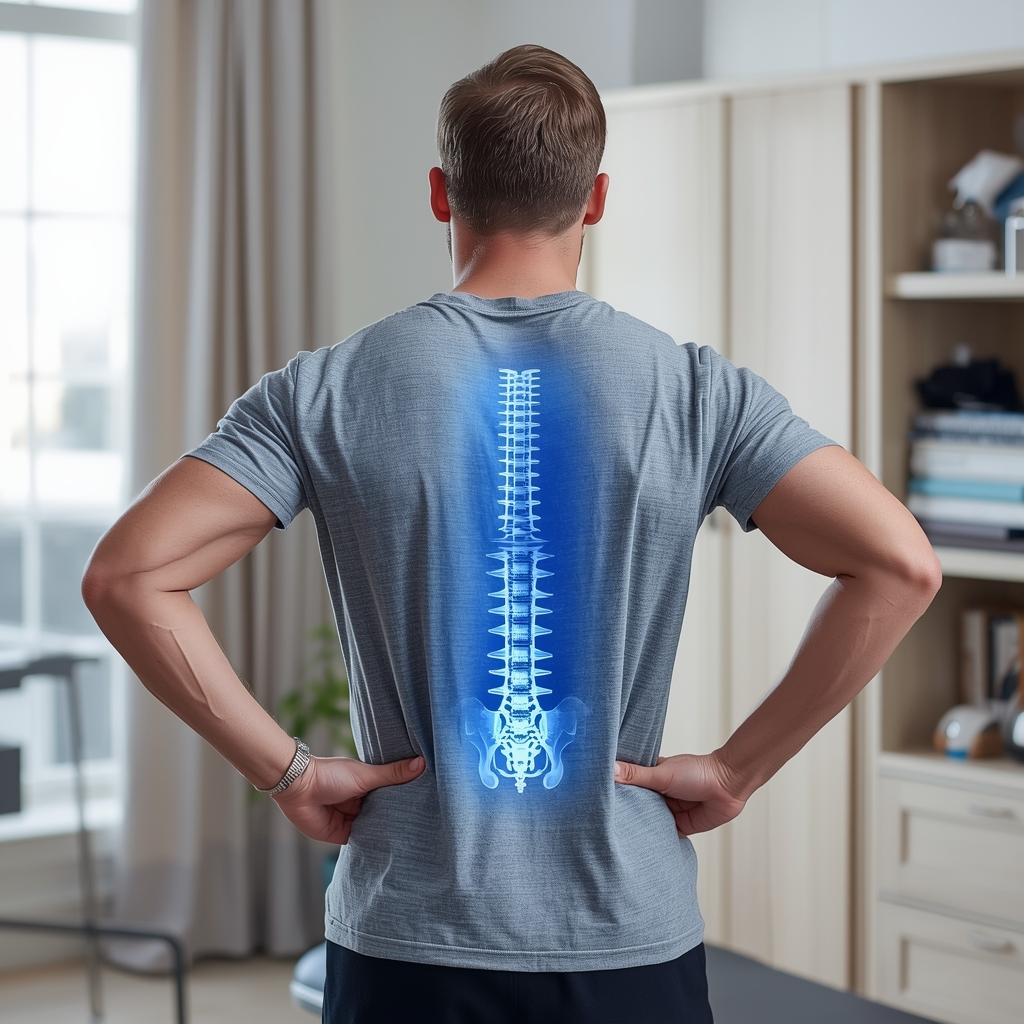
Understanding Post-Concussion Syndrome and Chiropractic Care
Post-concussion syndrome (PCS) refers to a set of symptoms that persist after a head injury, such as headaches, dizziness, fatigue, and cognitive difficulties. While medical professionals often prioritize rest and gradual return-to-activity protocols, chiropractic care can complement traditional approaches by addressing musculoskeletal and nervous system imbalances. Chiropractors focus on restoring proper alignment and function, which may help alleviate secondary symptoms linked to PCS. However, it’s crucial to emphasize that chiropractic techniques should be part of a broader, multidisciplinary care plan involving neurologists, physical therapists, and other specialists.
Spinal Adjustments for Nervous System Function
Spinal adjustments are a cornerstone of chiropractic care, aiming to correct misalignments (subluxations) that may disrupt nervous system communication. For athletes with PCS, these adjustments can potentially reduce tension in the cervical spine, which is often affected by head trauma. By improving spinal mobility and reducing nerve irritation, chiropractors may help alleviate symptoms like dizziness, neck pain, and headaches. However, adjustments must be performed gently and tailored to the individual’s condition, as aggressive techniques could worsen symptoms. A qualified chiropractor will assess the athlete’s needs before recommending this approach.
Soft Tissue Therapies for Muscle and Joint Relief
Soft tissue therapies, such as Active Release Technique (ART) or myofascial release, target tight muscles and connective tissue that may contribute to post-concussion discomfort. These methods can help relieve tension in the neck, shoulders, and upper back—areas commonly affected by head injuries. By improving blood flow and reducing inflammation, soft tissue work may support the body’s natural healing processes. Athletes often report reduced pain and improved range of motion after these treatments. As with other techniques, results vary, and a chiropractor will customize the approach based on the athlete’s specific symptoms and recovery stage.
Vestibular Rehabilitation for Balance and Dizziness
The vestibular system, which governs balance and spatial orientation, can be disrupted by concussions. Chiropractors may incorporate vestibular rehabilitation exercises to retrain this system and reduce dizziness or vertigo. These exercises, often combined with manual therapies, help the brain adapt to changes in balance signals. While not a standalone treatment, vestibular rehabilitation can be a valuable tool in managing PCS symptoms. Athletes should work with a chiropractor experienced in this area to ensure the exercises are safe and effective for their condition.
Neurological Assessments and Customized Care Plans
Chiropractors trained in neurological evaluations can identify dysfunction in the central or peripheral nervous system that may arise from a concussion. These assessments may include tests for reflexes, coordination, and sensory responses. Based on findings, a chiropractor can design a care plan that addresses specific issues, such as nerve compression or postural imbalances. This personalized approach ensures that treatments are aligned with the athlete’s unique recovery needs. Regular re-evaluations are essential to track progress and adjust the plan as necessary.
Integrating Chiropractic Care with Other Therapies
Effective PCS management often requires a collaborative approach. Chiropractic care can be integrated with physical therapy, cognitive rehabilitation, and lifestyle modifications to support holistic recovery. For example, a chiropractor might work alongside a physical therapist to address both musculoskeletal and neurological aspects of the injury. Athletes should communicate openly with all healthcare providers to ensure a coordinated strategy. While chiropractic techniques may offer relief, they are not a substitute for medical evaluation or prescribed treatments. Always consult a qualified professional before starting any new therapy.














