
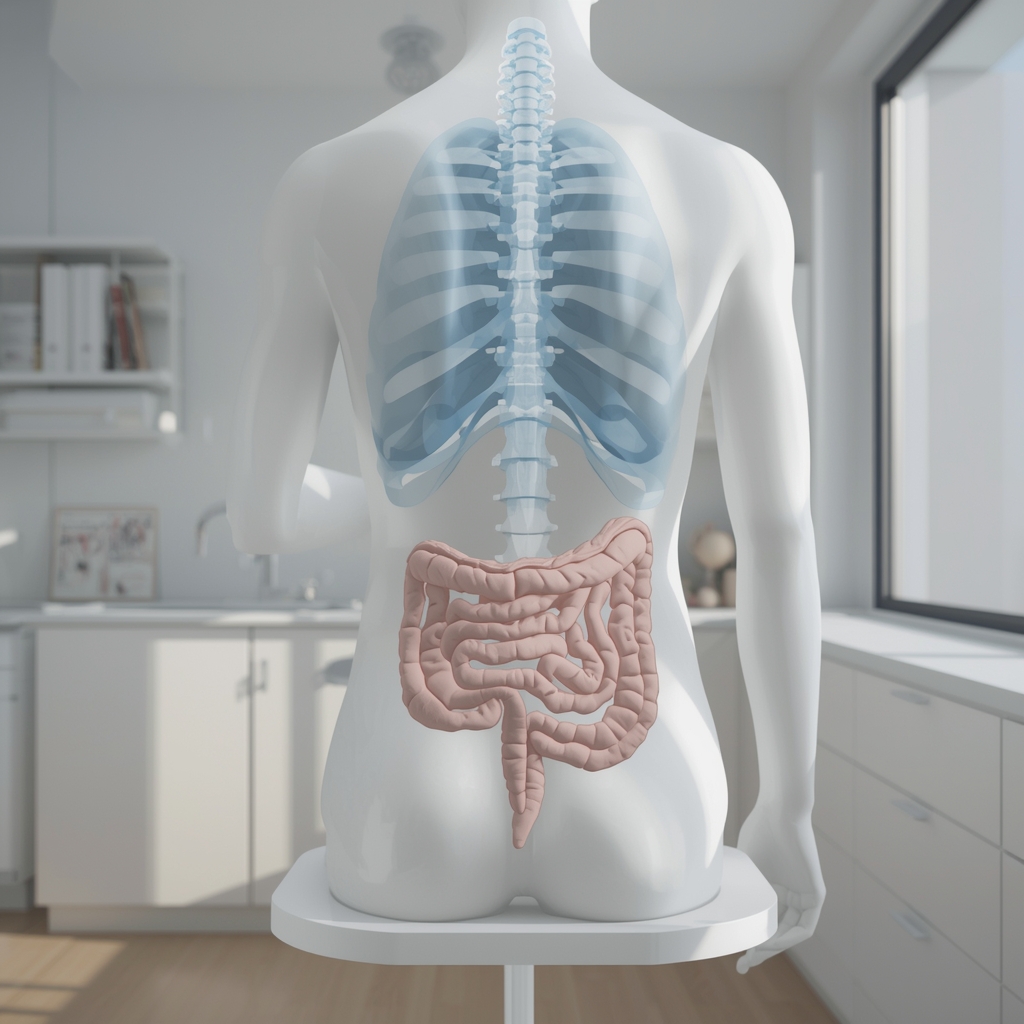
The Nervous System's Role in IBS and Chiropractic Care
Irritable Bowel Syndrome (IBS) is a functional gastrointestinal disorder characterized by abdominal pain, bloating, and altered bowel habits. While its exact cause remains unclear, research highlights the gut-brain axis—a bidirectional communication network between the central nervous system (CNS) and the enteric nervous system (ENS). This connection suggests that nervous system dysregulation may contribute to IBS symptoms. Chiropractic care, which focuses on spinal alignment and nervous system function, may offer complementary support by addressing potential disruptions in this axis. By optimizing neural pathways, chiropractors aim to reduce stress responses and improve autonomic regulation, potentially easing IBS-related discomfort. However, it is essential to approach these techniques as part of a broader, individualized care plan guided by healthcare professionals.
Spinal Adjustments and Nervous System Regulation
Spinal adjustments, a core chiropractic technique, involve manual manipulations to correct vertebral subluxations—misalignments that may interfere with nervous system function. Proponents argue that these adjustments can restore proper communication between the brain and the body, including the digestive tract. For IBS, this might help reduce sympathetic nervous system overactivity, which is often linked to stress and gastrointestinal distress. While direct evidence linking spinal adjustments to IBS improvement is limited, many patients report symptom relief after chiropractic sessions. This could stem from reduced spinal nerve irritation, which may influence gut motility and sensitivity. However, results vary, and individuals should consult a licensed chiropractor to explore whether this approach aligns with their specific needs and medical history.
Soft Tissue Techniques and the Gut-Brain Axis
Soft tissue therapies, such as myofascial release and trigger point therapy, target muscles and connective tissues that may contribute to nervous system tension. These techniques can alleviate referred pain and improve blood flow, potentially reducing stress on the autonomic nervous system. For IBS, releasing tightness in the thoracic or lumbar regions might indirectly support digestive function by easing pressure on nerves that regulate the intestines. Additionally, soft tissue work can complement spinal adjustments by addressing muscular imbalances that may exacerbate nervous system dysfunction. While research on these methods for IBS is sparse, their role in promoting overall nervous system health makes them a consideration for some patients. As with all chiropractic care, personalized evaluation is key to determining their suitability.
Stress Reduction and Autonomic Nervous System Balance
Stress is a well-documented trigger for IBS flare-ups, and the autonomic nervous system (ANS)—which includes the sympathetic (fight-or-flight) and parasympathetic (rest-and-digest) branches—plays a central role. Chiropractic care may help regulate the ANS by reducing spinal nerve interference and promoting relaxation. Techniques like gentle spinal adjustments and soft tissue work can shift the body from a stressed state to one more conducive to healing. Some patients report reduced IBS symptoms after stress-reducing interventions, though the mechanisms remain under study. Chiropractors often combine these approaches with lifestyle guidance, such as breathing exercises or mindfulness practices, to enhance nervous system resilience. While not a standalone treatment, this holistic strategy may offer relief for some individuals when integrated with other therapies.
Integrative Approaches and Complementary Therapies
Chiropractic care for IBS often involves a multidisciplinary approach, incorporating other therapies to address the complex interplay between the nervous system and digestion. For example, nutritional counseling, probiotics, and dietary modifications may be recommended to support gut health, while acupuncture or massage therapy could further ease nervous system tension. Chiropractors may also use cold laser therapy or electrical stimulation to reduce inflammation and promote tissue healing. These integrative methods aim to create a synergistic effect, targeting both structural and functional aspects of IBS. However, the effectiveness of such combinations varies, and patients should work with qualified providers to tailor their care. Open communication with healthcare teams ensures that all interventions align with individual health goals and safety standards.
Consulting a Chiropractor for Personalized Care
While chiropractic techniques may offer potential benefits for IBS, they are not a one-size-fits-all solution. Each patient’s condition, medical history, and lifestyle factors must be considered before initiating care. A licensed chiropractor will conduct a thorough assessment, including a review of symptoms, spinal examination, and discussion of other treatments. They may recommend specific adjustments, soft tissue work, or referrals to other specialists based on their findings. It is crucial to approach chiropractic care as part of a comprehensive plan, rather than a standalone remedy. Patients should also maintain open dialogue with their primary care providers to ensure that all interventions are coordinated and safe. By combining professional guidance with self-care practices, individuals with IBS can explore options that may support their overall well-being.














