
Active Release Technique (ART) for Soft Tissue Relief
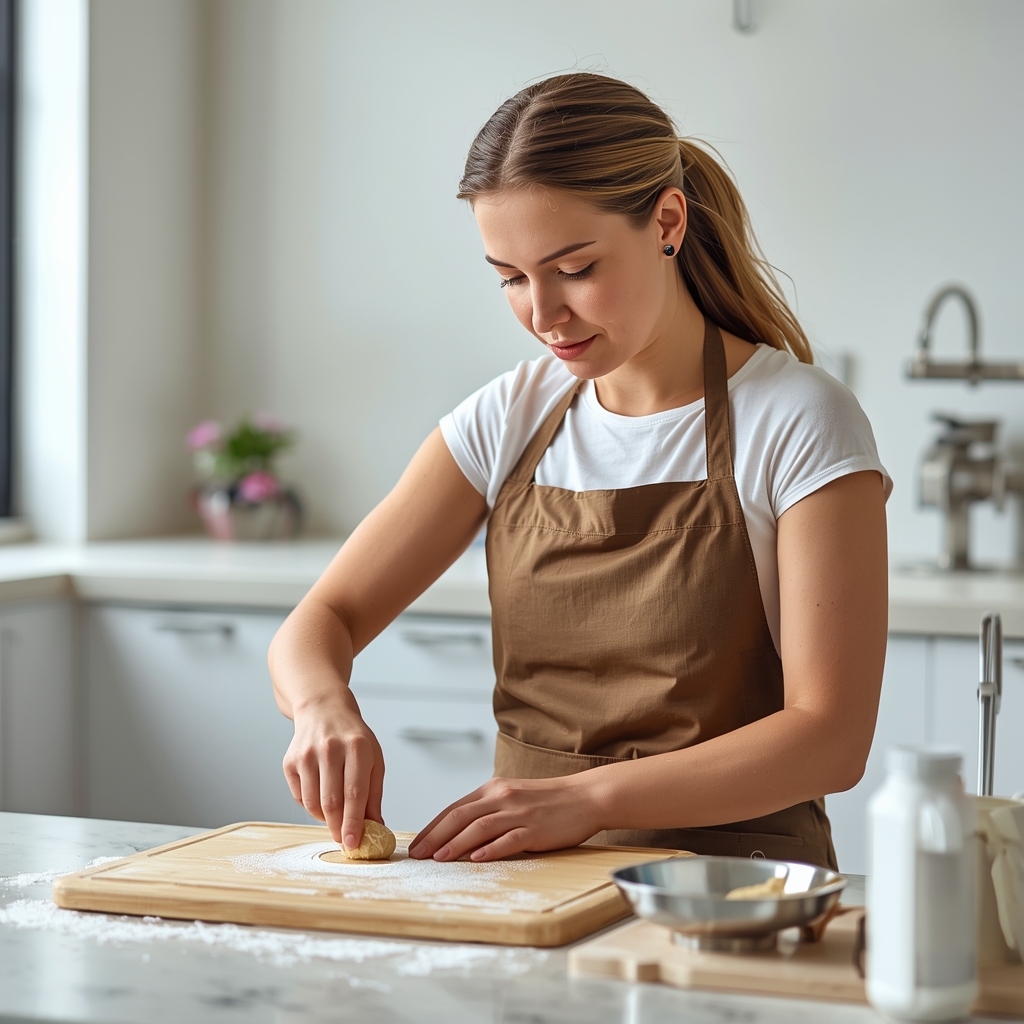
Active Release Technique (ART) is a specialized soft tissue therapy that targets adhesions and restrictions in muscles, tendons, and ligaments. For holiday bakers performing repetitive tasks like kneading dough or icing pastries, ART can alleviate tension in the wrist and forearm muscles. Chiropractors use this method to identify and break down scar tissue, improving flexibility and reducing strain. By addressing tightness in the extensor and flexor muscles of the wrist, ART helps prevent overuse injuries. This technique is particularly beneficial for bakers experiencing early signs of discomfort, as it promotes natural healing without invasive procedures. Regular ART sessions can maintain optimal muscle function, ensuring bakers can work comfortably throughout the holiday season. Discuss with a chiropractor to determine if ART suits your specific needs.
Joint Mobilization and Wrist Adjustments
Chiropractic joint mobilization involves gentle, controlled movements to restore proper alignment and function to the wrist joints. Repetitive motions can cause joint stiffness or misalignment, leading to pain and reduced range of motion. A chiropractor may perform adjustments to realign the carpal bones and improve mobility, easing pressure on nerves and tendons. These techniques are often combined with soft tissue work to address both structural and muscular imbalances. For bakers, maintaining joint health is critical to sustaining long-term wrist function. Adjustments can also enhance circulation, speeding up recovery from minor strains. While not a substitute for rest, joint mobilization supports the body’s natural ability to adapt to repetitive tasks. Consult a chiropractor to explore how adjustments might reduce your risk of wrist injuries during busy baking seasons.
Ergonomic Assessments with Chiropractic Guidance
While general ergonomic advice is discouraged, chiropractors can provide personalized assessments to optimize workspace setups for bakers. A chiropractor may evaluate your baking station, tools, and posture to identify risk factors for wrist strain. For example, they might recommend adjusting the height of countertops or using ergonomic utensils to reduce repetitive stress. They could also suggest modifying task sequences to minimize continuous wrist flexion or extension. These tailored recommendations address individual biomechanics, ensuring your workspace supports your body’s natural movement patterns. By integrating chiropractic insights into your environment, you can create a safer, more efficient baking routine. Discuss ergonomic concerns with a chiropractor to receive customized strategies for injury prevention.
Soft Tissue Therapy for Wrist Comfort
Soft tissue therapy, including massage and myofascial release, is a cornerstone of chiropractic care for repetitive strain injuries. This approach targets tightness in the muscles and connective tissues surrounding the wrist, which can develop from prolonged baking activities. Techniques like deep tissue massage or trigger point therapy help relieve tension, improve blood flow, and reduce inflammation. Chiropractors may also use instruments or manual pressure to break up adhesions that contribute to pain. For bakers, regular soft tissue sessions can prevent chronic discomfort and maintain muscle elasticity. These therapies are often used alongside other chiropractic methods to address both acute and recurring issues. Incorporating soft tissue work into your routine can enhance overall wrist resilience. Work with a chiropractor to determine the best approach for your needs.
Corrective Exercises for Wrist Strength
Corrective exercises are designed to address muscle imbalances and improve joint stability, making them ideal for bakers at risk of wrist injuries. A chiropractor may recommend specific stretches and strengthening routines to support the wrist’s natural biomechanics. Exercises like wrist curls, finger extensions, and grip strengthening can enhance flexibility and endurance. These movements target the often-overlooked muscles that stabilize the wrist, reducing the risk of strain during repetitive tasks. Consistent practice can also improve proprioception, helping the body better adapt to repetitive motions. Chiropractors may tailor these exercises to your workload and fitness level, ensuring they align with your baking schedule. By integrating corrective movements into daily habits, bakers can build long-term resilience. Discuss with a chiropractor to develop a customized exercise plan.
Preventive Care and Regular Check-Ups
Proactive chiropractic care is essential for preventing wrist injuries in high-demand environments like holiday baking. Regular check-ups allow chiropractors to monitor your musculoskeletal health, identifying early signs of strain or misalignment. These visits may include assessments of wrist mobility, muscle strength, and nerve function, enabling timely interventions. Preventive care also involves educating patients on self-care practices, such as proper warm-up routines or stress-relief techniques. By maintaining consistent communication with a chiropractor, bakers can address minor issues before they escalate into chronic problems. This approach fosters long-term wellness, ensuring you can enjoy the holiday season without discomfort. Schedule regular appointments to prioritize your physical health and reduce injury risks.














