
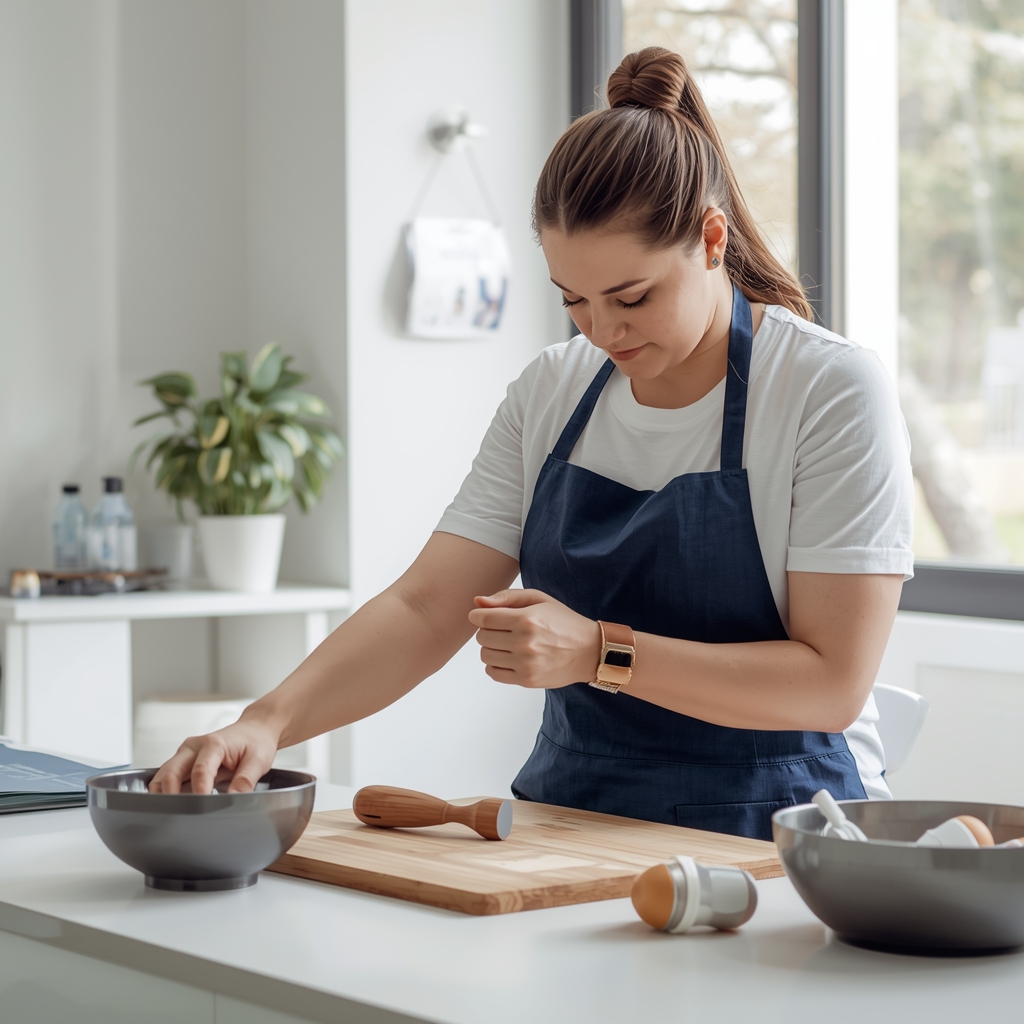
Understanding the Risks of Holiday Cooking Strain
Holiday cooking often involves repetitive motions like chopping, stirring, and lifting, which can strain the wrists. Prolonged periods in poor postures or using improper techniques may lead to overuse injuries, such as tendonitis or carpal tunnel syndrome. Chiropractic care addresses these risks by focusing on musculoskeletal health, ensuring joints and muscles function optimally. By maintaining proper alignment and mobility, chiropractors help reduce the likelihood of injury during high-risk activities. This approach is especially valuable during holidays when cooking demands increase, making prevention a key priority for those seeking to enjoy festivities without pain.
The Role of Spinal Alignment in Wrist Health
Spinal misalignments, or subluxations, can disrupt nerve signals that control muscles and joints, potentially contributing to wrist strain. Chiropractic adjustments restore proper spinal function, improving communication between the nervous system and the body. This enhanced function supports better posture and movement patterns, reducing the risk of overuse injuries. For example, a well-aligned spine helps maintain balanced muscle tension in the arms and hands, preventing excessive stress on the wrists. By addressing these underlying issues, chiropractic care offers a proactive way to protect wrist health during physically demanding tasks like holiday cooking.
Ergonomic Adjustments for Safer Cooking
Chiropractors often emphasize ergonomic principles to minimize strain during daily activities. For cooking, this includes adjusting workstations, using tools with proper grip designs, and maintaining neutral wrist positions. A chiropractor can evaluate your kitchen setup and recommend modifications, such as raising countertops or using supportive mats. These changes reduce the need for awkward movements that stress the wrists. Additionally, they may suggest breaks and stretching routines to prevent fatigue. By integrating ergonomic practices, individuals can enjoy cooking without compromising their musculoskeletal health, making chiropractic guidance a valuable resource for holiday preparedness.
Soft Tissue Therapy for Wrist Relief
Chiropractic care often incorporates soft tissue therapies like massage or Active Release Technique (ART) to alleviate tension in muscles and tendons. These methods target areas prone to strain, such as the forearm and wrist, improving flexibility and reducing injury risk. For example, tightness in the wrist extensors can contribute to pain during repetitive tasks, and manual therapy helps restore balance. Chiropractors may also recommend specific stretches or exercises to maintain mobility. By addressing soft tissue imbalances, these interventions support healthier wrist function, making them a practical addition to holiday cooking routines that involve frequent hand use.
Strengthening Exercises for Wrist Stability
Building strength in the wrists and forearms can enhance resilience against strain. Chiropractors may suggest low-impact exercises, such as wrist curls or resistance band training, to improve muscle support. These routines help distribute forces more evenly during cooking tasks, reducing the likelihood of injury. Additionally, they might emphasize the importance of warming up before prolonged activities, as prepared muscles are less prone to damage. A chiropractor can tailor these exercises to individual needs, ensuring they align with overall health goals. Incorporating such practices into holiday routines fosters long-term wrist health and minimizes discomfort from repetitive motions.
Consulting a Chiropractor for Personalized Care
Every individual’s body mechanics and injury risks differ, making personalized chiropractic care essential. A chiropractor can assess your posture, movement patterns, and muscle imbalances to create a tailored prevention plan. This might include adjustments, ergonomic advice, or targeted exercises to address specific vulnerabilities. By working with a professional, you gain insights into how to protect your wrists during holiday cooking without relying on guesswork. Regular check-ups also allow for early intervention if issues arise, preventing minor strains from escalating. Ultimately, chiropractic care offers a holistic approach to staying active and injury-free during the busy holiday season.












