
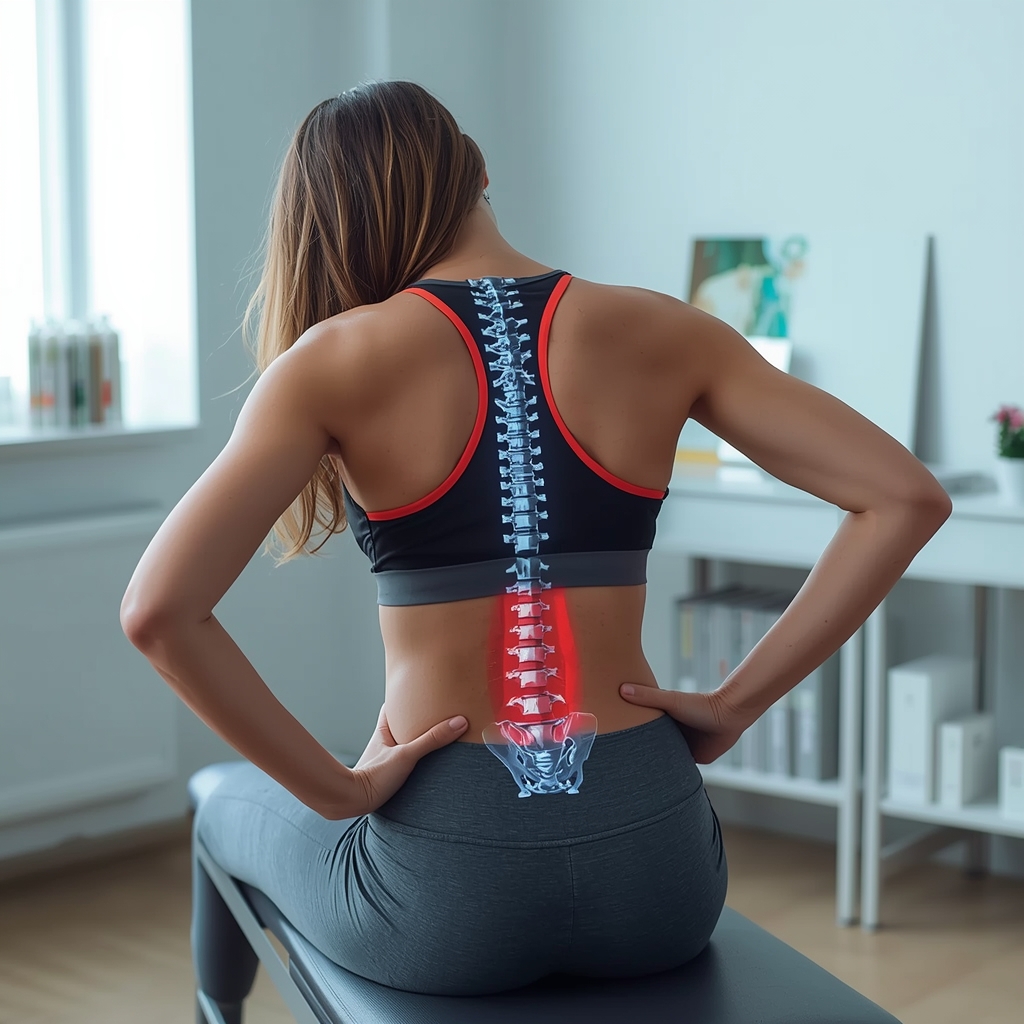
Understanding Sacroiliac Joint Dysfunction in Athletes
Sacroiliac (SI) joint dysfunction occurs when the joints connecting the spine to the pelvis become misaligned or inflamed, causing pain and limited mobility. Athletes, particularly those involved in high-impact or repetitive-motion sports, are prone to this condition due to the stress placed on their lower back and hips. Common symptoms include lower back pain, hip discomfort, and difficulty with movements like bending or twisting. For athletes, SI joint dysfunction can hinder performance and prolong recovery from injuries. Chiropractic care offers non-invasive strategies to address the root causes of this issue, focusing on realigning the joint, reducing inflammation, and restoring optimal function. Understanding the role of chiropractic interventions is essential for athletes seeking effective, long-term relief and enhanced recovery.
Spinal Adjustments and Joint Realignment
Spinal adjustments are a cornerstone of chiropractic care for SI joint dysfunction. By applying controlled force to the affected area, chiropractors aim to restore proper alignment of the sacroiliac joint, alleviating pain and improving mobility. This technique helps reduce pressure on surrounding nerves and muscles, which can contribute to inflammation and discomfort. For athletes, realigning the SI joint can enhance biomechanical efficiency, allowing for smoother movement during physical activities. Chiropractors may use various adjustment methods, such as diversified or activator techniques, tailored to the athlete’s specific needs. When performed by a qualified professional, these adjustments can be a safe and effective way to address SI joint dysfunction, supporting faster recovery and preventing future complications.
Active Release Technique (ART) for Soft Tissue Relief
Active Release Technique (ART) is a specialized soft tissue therapy that targets muscle tightness, adhesions, and nerve entrapments contributing to SI joint dysfunction. Athletes often experience overuse-related strain in the muscles surrounding the pelvis and lower back, which can exacerbate SI joint pain. ART involves the chiropractor applying pressure while the patient moves the affected area, breaking down scar tissue and restoring normal muscle function. This approach can improve flexibility, reduce pain, and enhance joint stability. For athletes, ART is particularly beneficial as it addresses both the symptoms and underlying causes of SI joint dysfunction, promoting better performance and quicker recovery. When combined with other chiropractic strategies, ART can be a powerful tool in managing this condition.
Corrective Exercises for Long-Term Stability
Corrective exercises are a vital component of chiropractic care for SI joint dysfunction, focusing on strengthening the muscles that support the pelvis and lower back. Weak or imbalanced muscles can contribute to joint instability, making athletes more susceptible to injury. Chiropractors often prescribe targeted exercises to improve core strength, hip stability, and posture, which help maintain proper SI joint alignment. These exercises may include resistance training, stretching routines, and balance drills tailored to the athlete’s sport. By addressing muscular imbalances, corrective exercises not only alleviate current symptoms but also reduce the risk of future dysfunction. Consistent adherence to these programs can enhance recovery and support long-term joint health, enabling athletes to return to their activities with greater confidence and resilience.
Soft Tissue Therapy and Myofascial Release
Soft tissue therapy and myofascial release techniques are frequently used to address the muscular and connective tissue restrictions associated with SI joint dysfunction. These methods involve applying pressure to specific points in the muscles and fascia to relieve tension, improve circulation, and reduce pain. For athletes, tightness in the hip flexors, glutes, or lower back muscles can significantly impact SI joint function. Chiropractors may use tools like foam rollers, massage therapy, or instrument-assisted techniques to release these restrictions. By restoring flexibility and reducing muscle strain, soft tissue therapies help the SI joint move more freely and function efficiently. This approach complements other chiropractic treatments, offering a holistic way to manage pain and support recovery in athletes.
Rehabilitation Strategies for Enhanced Recovery
Rehabilitation programs designed for SI joint dysfunction focus on restoring mobility, strength, and functional ability. Chiropractors often collaborate with athletes to develop personalized plans that include a combination of manual therapies, exercises, and lifestyle modifications. These strategies may involve progressive movement training, proprioception exercises, and education on proper body mechanics to prevent re-injury. For athletes, rehabilitation is crucial in ensuring a safe return to sport while minimizing the risk of chronic issues. Chiropractors also emphasize the importance of rest, hydration, and nutrition in the recovery process. By addressing both the physical and biomechanical aspects of SI joint dysfunction, these programs help athletes achieve lasting relief and improved performance.













