
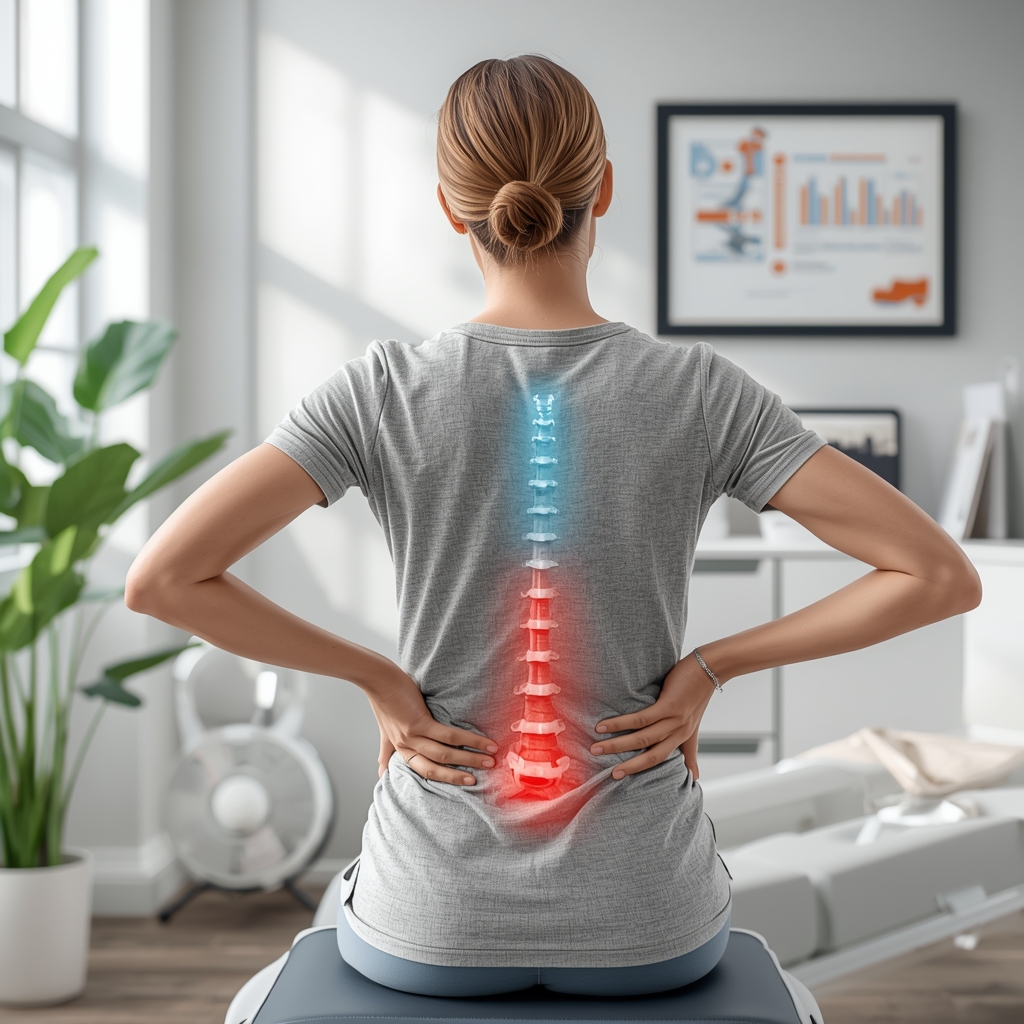
Spinal Adjustments for Chronic Pain Relief
Chiropractic adjustments remain a cornerstone of care for chronic pain following auto accidents. By realigning the spine, these manual techniques aim to reduce nerve irritation and restore proper biomechanics. For individuals with lingering pain from whiplash or soft tissue injuries, targeted adjustments can alleviate pressure on spinal joints and surrounding nerves. While research on long-term outcomes is ongoing, many chiropractors report that consistent adjustments help manage persistent discomfort. It’s important to note that adjustments are typically part of a broader treatment plan, tailored to each patient’s unique condition. A qualified chiropractor can assess the spine’s alignment and determine the most appropriate frequency and technique for sustained relief.
Soft Tissue Therapy for Postural Imbalances
Postural imbalances after auto accidents often stem from muscle tightness, strain, or compensatory patterns. Soft tissue therapies like Active Release Technique (ART) and myofascial release address these issues by breaking up adhesions and restoring muscle function. These methods are particularly effective for areas like the neck, shoulders, and lower back, where tension frequently accumulates. By improving flexibility and reducing pain, soft tissue work supports better posture and movement. Patients often notice gradual improvements in range of motion and reduced discomfort. However, results vary, and ongoing sessions may be needed for lasting benefits. A chiropractor can recommend specific techniques based on the patient’s injury history and current symptoms.
Corrective Exercises for Long-Term Recovery
Rehabilitation after auto accidents often involves corrective exercises to retrain the body’s movement patterns. These exercises target weak muscles, improve stability, and correct postural deviations. For example, core strengthening and scapular stabilization routines help counteract forward head posture and rounded shoulders, common after whiplash. Tailored programs may include resistance training, balance drills, and stretching. Consistency is key, as these exercises build resilience and prevent future injuries. While general guidance is available, a chiropractor can design a personalized plan to address specific imbalances. Combining exercises with other treatments enhances recovery, offering a holistic approach to long-term wellness.
Posture Correction and Ergonomic Adjustments
Auto accidents can disrupt natural posture, leading to chronic pain and musculoskeletal strain. Chiropractors often emphasize posture correction through manual adjustments and patient education. Techniques like the Alexander Technique or posture-specific exercises help retrain the body’s alignment. Ergonomic modifications—such as adjusting workstations or sleeping positions—also play a role in preventing further issues. For instance, correcting a forward head posture reduces strain on the cervical spine. Patients are encouraged to maintain awareness of their posture throughout daily activities. While self-correction is possible, professional guidance ensures proper form and prevents compensatory habits that could worsen pain over time.
Integrative Approaches for Comprehensive Care
Chronic pain and postural imbalances often require a multifaceted approach. Chiropractors may integrate therapies like cold laser treatment, electrical stimulation, or dry needling to complement adjustments and exercises. These modalities address inflammation, muscle spasms, and nerve sensitivity, enhancing overall recovery. For example, cold laser therapy promotes tissue healing, while dry needling relieves muscle knots. Combining these with manual care creates a synergistic effect. However, the effectiveness of integrative methods varies by individual, and a chiropractor can help determine the best combination. Open communication with the care team ensures adjustments are made as needed to optimize outcomes.
Long-Term Management and Preventive Strategies
Managing chronic pain and postural imbalances is an ongoing process. Regular chiropractic checkups help monitor progress and address emerging issues before they worsen. Patients are often advised to maintain lifestyle habits like regular movement, proper lifting techniques, and stress management. For example, stretching routines can prevent stiffness, while mindfulness practices reduce tension. A chiropractor can provide resources or referrals for complementary care, such as physical therapy or massage. Ultimately, long-term success depends on a partnership between the patient and provider. By staying proactive, individuals can minimize setbacks and sustain improvements in pain and posture over time.














