
Understanding Iliotibial Band Syndrome in Runners
Iliotibial Band Syndrome (ITBS) is a common overuse injury among runners, characterized by pain on the outer side of the knee. The iliotibial band, a thick band of tissue running from the hip to the shin, becomes inflamed due to repetitive friction during running. Factors like improper footwear, biomechanical imbalances, or training errors often contribute. Chiropractic care addresses ITBS by targeting both the symptomatic area and underlying causes, such as hip or pelvic misalignments. Runners experiencing persistent knee pain should consider a comprehensive evaluation to identify contributing factors before pursuing treatment.
Chiropractic Adjustments for ITBS Relief
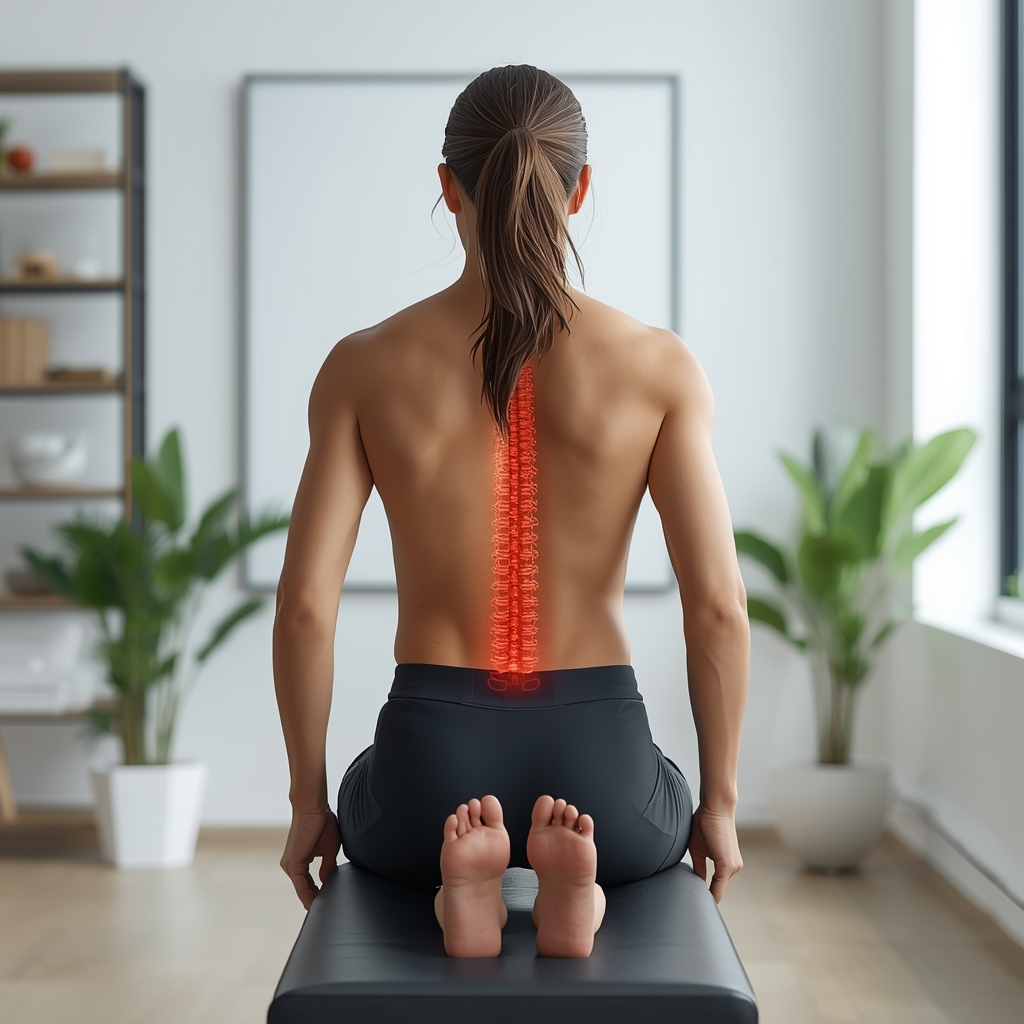
Spinal and joint adjustments can play a key role in alleviating ITBS by restoring proper biomechanics. Misalignments in the pelvis or lumbar spine may alter gait patterns, increasing stress on the iliotibial band. Chiropractors use gentle, targeted adjustments to realign these areas, reducing inflammation and improving movement efficiency. For runners, addressing the sacroiliac joint and hip complex is particularly important, as these regions directly influence lower-body mechanics. Adjustments may also relieve nerve irritation that contributes to pain, offering a non-invasive approach to symptom management.
Myofascial Release Techniques for ITBS
Myofascial release focuses on soft tissues, including the iliotibial band itself. Techniques like foam rolling, instrument-assisted soft tissue mobilization (IASTM), and manual therapy help break up adhesions and reduce tension. For runners, regular myofascial release can enhance flexibility and prevent the tightness that exacerbates ITBS. Chiropractors may use tools like Graston or Active Release Technique (ART) to address scar tissue and improve tissue mobility. These methods complement adjustments by ensuring the affected area remains supple, supporting long-term recovery and performance.
Preventing ITBS Recurrence Through Chiropractic Care
Preventing ITBS recurrence involves addressing both structural and functional imbalances. Chiropractors may recommend corrective exercises to strengthen weak muscles, such as the glutes and hip abductors, which stabilize the pelvis during running. Regular adjustments maintain proper alignment, while myofascial work keeps tissues healthy. Runners can also benefit from gait analysis and ergonomic assessments to identify and correct movement patterns that strain the iliotibial band. Combining these strategies creates a proactive approach to injury prevention, allowing athletes to train with reduced risk.
Combining Adjustments and Myofascial Release for Optimal Outcomes
A holistic approach often yields the best results for ITBS. Chiropractic adjustments correct misalignments, while myofascial release techniques address soft tissue restrictions. This dual strategy reduces inflammation, restores mobility, and supports the body’s natural healing processes. For runners, integrating these methods with a tailored exercise program can accelerate recovery and enhance performance. Chiropractors may also advise on training modifications, such as cross-training or rest periods, to avoid overuse. Consistent care ensures the body remains in balance, minimizing the likelihood of future injuries.
When to Seek Chiropractic Care for ITBS
If ITBS symptoms persist despite rest and self-care, consulting a chiropractor is advisable. A professional can identify underlying issues, such as pelvic asymmetry or muscle imbalances, that may hinder recovery. Early intervention often prevents chronic pain and reduces the need for more invasive treatments. Runners should seek care if pain worsens during activity or disrupts daily life. A chiropractor will develop a personalized plan, combining adjustments, myofascial work, and lifestyle guidance to address the root causes of ITBS and support long-term wellness.















