
Understanding Iliotibial Band Syndrome in Non-Athletes
Iliotibial Band Syndrome (ITBS) is often associated with runners, but non-athletes can also experience this condition due to repetitive motions, poor posture, or prolonged sitting. The iliotibial band, a thick band of tissue running along the outer thigh, becomes inflamed when it rubs against the femur. This can cause pain on the outer knee or hip, especially during activities like walking, climbing stairs, or standing for long periods. Non-athletes may not recognize ITBS as a common issue, but it can significantly impact daily comfort and mobility. Chiropractors play a key role in addressing ITBS by identifying underlying musculoskeletal imbalances and offering targeted interventions. Understanding the condition’s causes and symptoms is the first step in managing it effectively.
Myofascial Release Techniques for ITBS
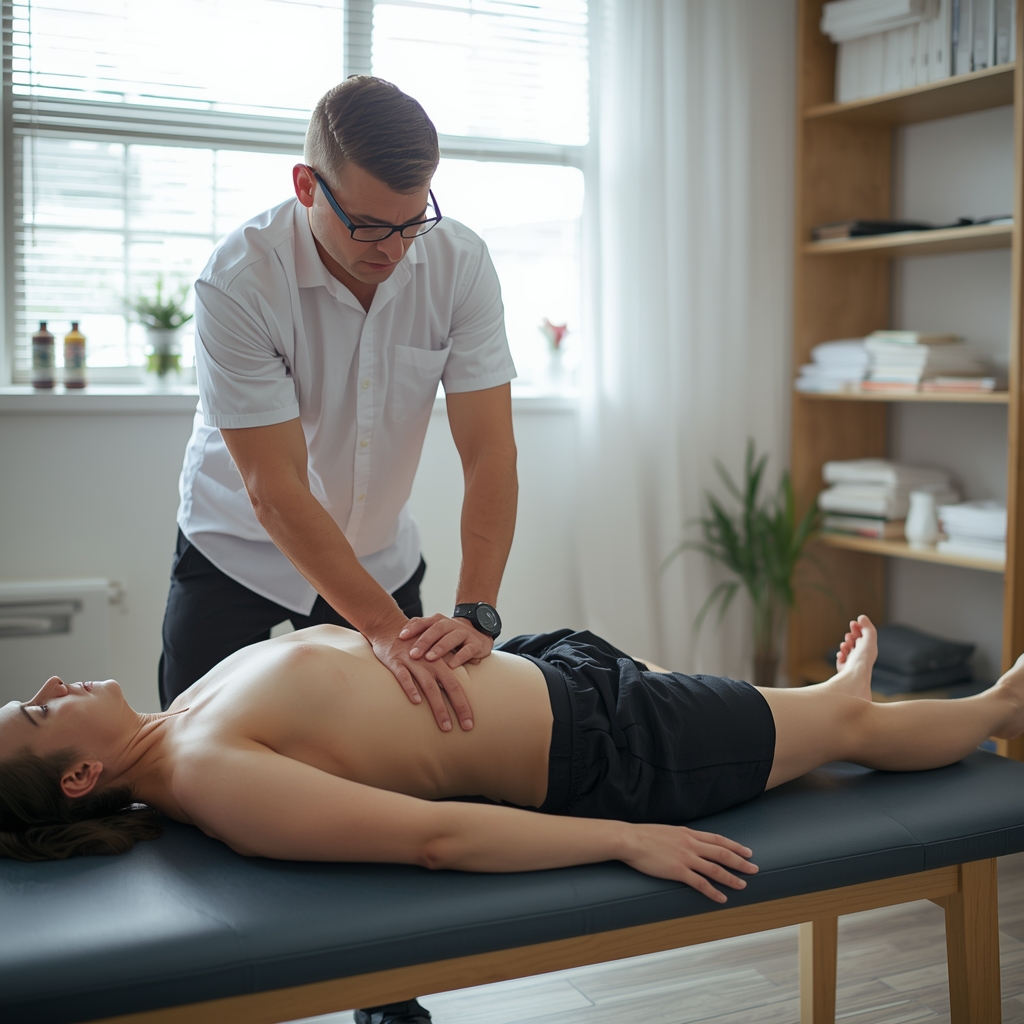
Myofascial release is a hands-on therapy that targets tightness in the fascia, the connective tissue surrounding muscles. For ITBS, chiropractors may use techniques like cross-friction massage, foam rolling, or instrument-assisted soft tissue mobilization to reduce tension in the iliotibial band. These methods help break up adhesions and restore normal tissue function, alleviating pain and improving range of motion. Chiropractors often combine myofascial release with spinal adjustments to address related biomechanical issues. The goal is to reduce inflammation, enhance blood flow, and promote healing. Patients typically notice gradual improvement with consistent sessions, though results vary based on individual factors like activity levels and overall health.
Chiropractic Adjustments and Soft Tissue Work
Chiropractic care for ITBS often involves a combination of spinal adjustments and soft tissue therapies. Adjustments help realign the spine and pelvis, which can reduce compensatory movements that strain the iliotibial band. Soft tissue work, such as Active Release Technique (ART) or Graston Technique, targets specific areas of tightness and dysfunction. These approaches aim to restore balance to the musculoskeletal system, preventing further irritation. Chiropractors may also assess gait patterns and posture to identify contributing factors. By addressing both structural and soft tissue components, chiropractors provide a holistic approach to ITBS management. Patients often benefit from a tailored care plan that evolves as their condition improves.
Home Care Strategies for ITBS Relief
At-home care can complement chiropractic treatment for ITBS. Gentle stretching of the iliotibial band and surrounding muscles, such as the hip flexors and hamstrings, may ease discomfort. Applying ice to the affected area for 15–20 minutes after activity can reduce inflammation. Avoiding repetitive movements that aggravate the condition is also crucial. Over-the-counter anti-inflammatory medications may provide temporary relief, but consulting a healthcare provider before use is recommended. Patients should focus on maintaining proper posture and ergonomics during daily tasks. While these strategies can support recovery, they are not a substitute for professional evaluation. A chiropractor can guide individuals on safe, effective home practices tailored to their needs.
When to Seek Professional Help
If ITBS symptoms persist or worsen despite self-care efforts, it’s important to consult a chiropractor. Persistent pain, swelling, or difficulty moving the affected leg may indicate a more severe issue requiring targeted intervention. Chiropractors can perform a thorough assessment to rule out other conditions and develop a personalized treatment plan. Early intervention often leads to faster recovery and prevents long-term complications. Non-athletes with sedentary lifestyles or those experiencing frequent discomfort should not delay care. A chiropractor can also educate patients on modifying daily activities to reduce strain on the iliotibial band. Regular check-ins ensure adjustments and therapies remain effective as the body adapts.
Conclusion
Chiropractors offer valuable tools for managing ITBS in non-athletes through myofascial release techniques and comprehensive care plans. By addressing both structural and soft tissue imbalances, they help alleviate pain and restore function. Home care strategies, when used alongside professional guidance, can support long-term recovery. Individuals experiencing ITBS symptoms should seek evaluation to determine the best course of action. With a collaborative approach, chiropractic care can significantly improve quality of life for those affected by this condition.















