
Understanding IT Band Syndrome in Non-Runners
Iliotibial Band Syndrome (ITBS) is often associated with runners, but cyclists, hikers, and other athletes are equally susceptible. The iliotibial band, a thick band of tissue running along the outer thigh, can become inflamed due to repetitive friction against the femur. For non-runners, activities like cycling (especially improper bike fit) or hiking (uneven terrain) can strain this structure. Symptoms include sharp pain on the outer knee or hip, which worsens with movement. While rest and stretching are common remedies, chiropractic care offers targeted interventions to address the root causes, such as biomechanical imbalances or muscle tightness. Understanding these techniques can help non-runners find relief without relying solely on traditional methods.
Common Causes and Biomechanical Factors
Non-runners often develop ITBS due to repetitive motions that stress the iliotibial band. Cyclists may experience this from overuse or incorrect saddle height, while hikers might strain the band on uneven trails. Poor posture, weak hip muscles, or gait abnormalities can also contribute. For example, a misaligned pelvis or tight hip flexors may alter the band’s movement, leading to friction. Chiropractors evaluate these factors through physical exams and movement assessments. By identifying biomechanical inefficiencies, they can tailor treatments to reduce strain. Addressing these issues early is crucial, as chronic ITBS can lead to long-term discomfort and reduced activity levels.
Chiropractic Techniques for ITBS Relief
Chiropractors use a variety of techniques to alleviate ITBS, focusing on reducing inflammation and restoring mobility. Active Release Technique (ART) is a popular method, involving soft tissue manipulation to break up adhesions in the iliotibial band. This hands-on approach can improve flexibility and ease pain. Soft tissue therapy, such as myofascial release, also targets tight muscles surrounding the band. For non-runners, these methods are particularly effective because they address the specific strain patterns of their activities. Chiropractors may combine these techniques with adjustments to the pelvis or spine, ensuring proper alignment. By addressing both the affected tissue and underlying structural issues, patients often experience faster recovery and improved function.
Spinal Adjustments and Pelvic Realignment
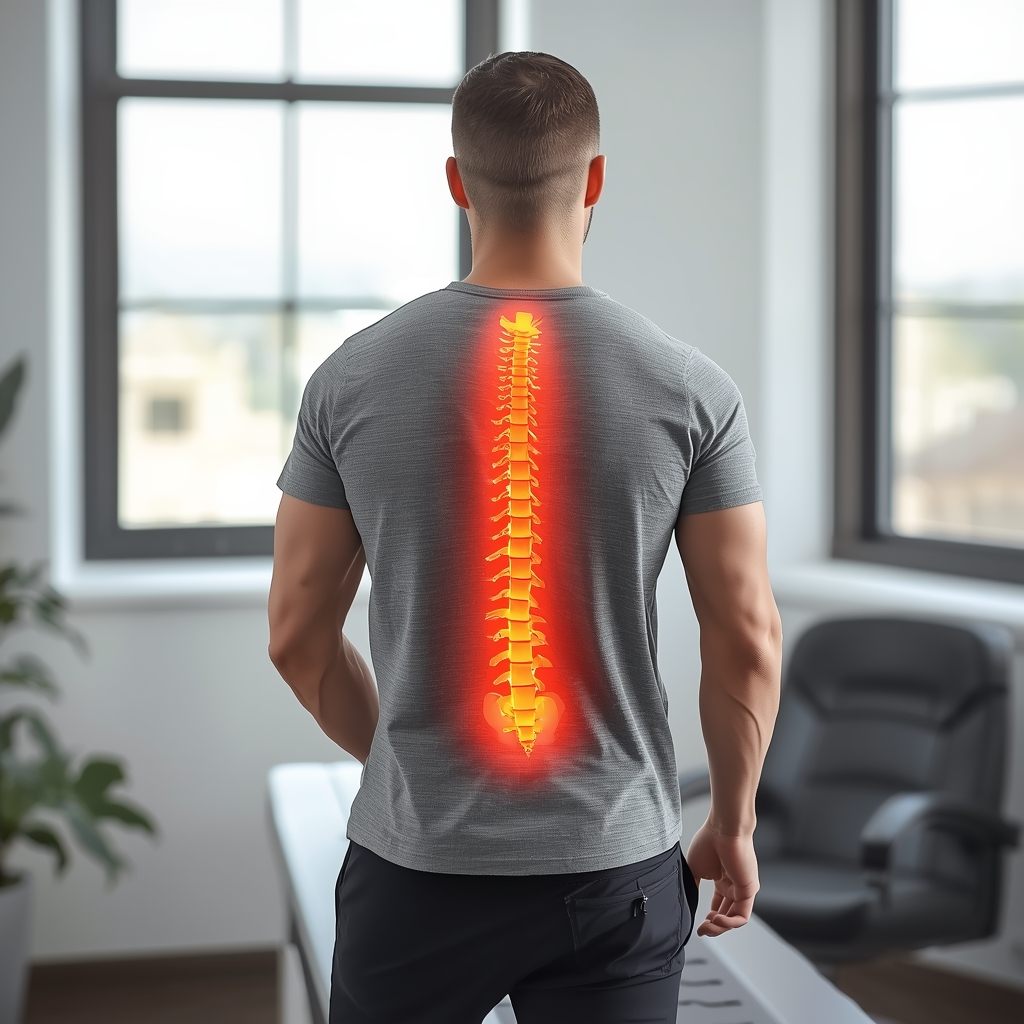
Spinal adjustments play a key role in ITBS treatment by correcting misalignments that contribute to muscle imbalances. A misaligned pelvis, for instance, can alter the mechanics of the hip and knee, increasing stress on the iliotibial band. Chiropractors use spinal manipulation to restore proper joint function, which may reduce compensatory movements that exacerbate the condition. Pelvic realignment is especially beneficial for cyclists and hikers, as these activities often involve repetitive motions that strain the lower body. By ensuring the spine and pelvis are in optimal position, chiropractors help the body distribute forces more evenly. This not only eases ITBS symptoms but also prevents future flare-ups, supporting long-term musculoskeletal health.
Integrating Chiropractic Care with Lifestyle Adjustments
Effective ITBS management often requires a holistic approach that combines chiropractic care with lifestyle changes. Chiropractors may recommend specific stretches or corrective exercises to strengthen weak muscles and improve flexibility. For example, hip abductor exercises can reduce strain on the iliotibial band during cycling or hiking. They might also advise on ergonomic adjustments, such as bike fit modifications or proper hiking footwear. Patients are encouraged to maintain regular movement to prevent stiffness, as prolonged inactivity can worsen symptoms. By integrating these strategies, non-runners can address both immediate discomfort and underlying causes. This collaborative approach empowers individuals to take an active role in their recovery while benefiting from professional guidance.
When to Consult a Chiropractor for ITBS
If ITBS symptoms persist despite rest and self-care, consulting a chiropractor is a logical next step. A qualified provider can conduct a thorough assessment to determine the best course of action. They may use diagnostic tools or physical exams to identify contributing factors, such as muscle tightness or joint dysfunction. Chiropractic care is particularly valuable for non-runners, as it addresses the unique demands of their activities. It’s important to note that treatments are tailored to individual needs, and what works for one person may not suit another. Patients should discuss their goals and concerns with their chiropractor to develop a personalized plan. Early intervention can prevent chronic issues, ensuring continued participation in favorite activities without pain.












