
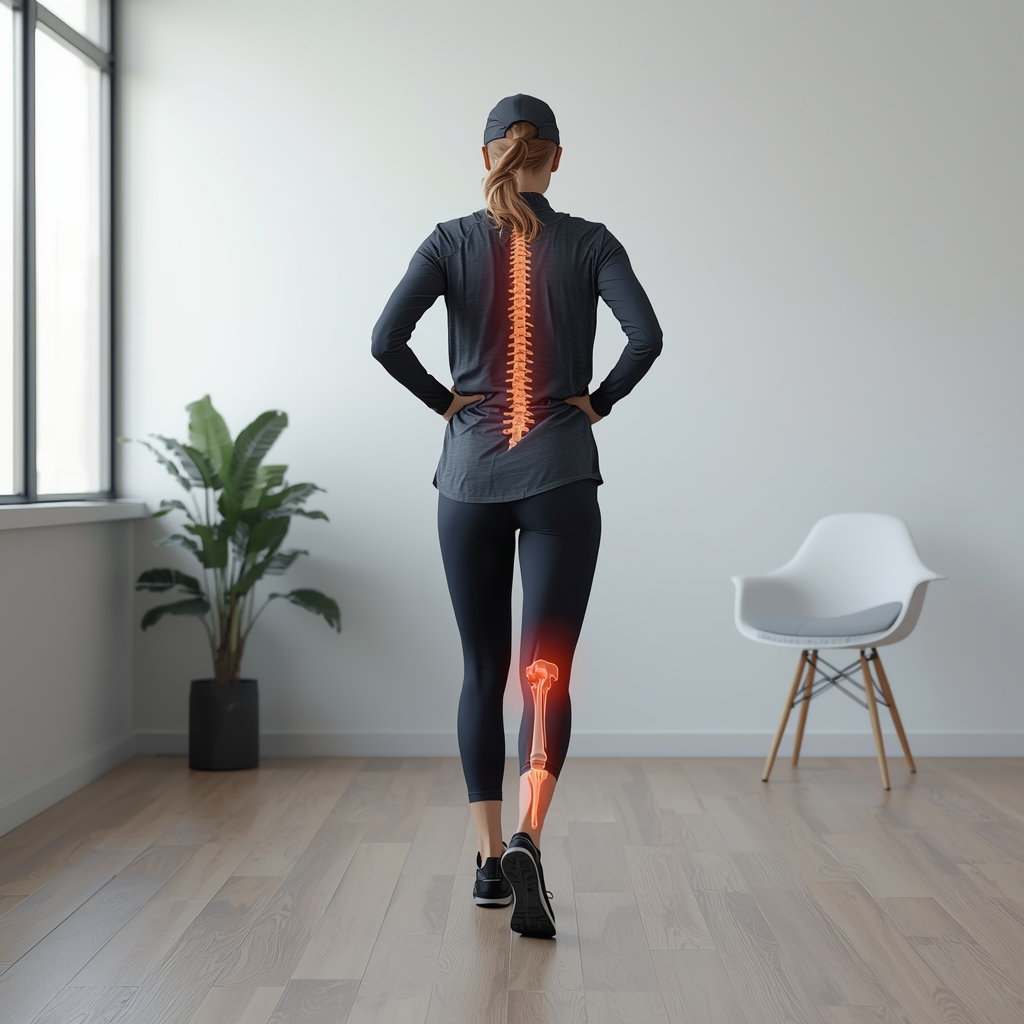
Understanding Biomechanical Assessments in Running Injuries
Biomechanical assessments are essential tools for chiropractors to evaluate how a runner’s body moves and functions during activity. These assessments help identify irregularities in movement patterns, muscle imbalances, or structural issues that may contribute to injuries. For long-distance runners, repetitive motion and high-impact forces place significant stress on joints, muscles, and the spine. By analyzing biomechanics, chiropractors can pinpoint factors like improper foot strike, excessive pronation, or hip instability that might lead to chronic pain or acute injuries. While no single test provides a complete picture, a combination of evaluations offers insights into the root causes of recurring issues. Runners often overlook subtle biomechanical flaws, making professional assessment critical for injury prevention and performance optimization. These evaluations serve as a foundation for tailored treatment plans, ensuring interventions address underlying problems rather than just symptoms.
Gait Analysis: The Foundation of Biomechanical Evaluation
Gait analysis is a cornerstone of biomechanical assessment, offering a detailed look at how a runner moves. This process involves observing a runner’s stride, foot placement, and body alignment during motion. Chiropractors may use video recordings or pressure-sensitive mats to capture data on weight distribution, cadence, and joint angles. Abnormal gait patterns—such as overpronation, excessive supination, or asymmetrical movement—can indicate imbalances or compensatory mechanisms that increase injury risk. For example, a runner with poor hip stability might exhibit excessive knee valgus, leading to stress on the IT band or knee joint. Gait analysis also helps track progress over time, allowing chiropractors to adjust treatment strategies as needed. While technology enhances accuracy, the expertise of a trained professional remains vital to interpret findings within the context of a runner’s unique physiology and goals.
Postural Assessment and Its Impact on Running Mechanics
Postural assessment evaluates how a runner’s body aligns when stationary and in motion. Poor posture, such as excessive lumbar lordosis or forward head positioning, can disrupt biomechanical efficiency and contribute to injuries. Chiropractors analyze spinal curvature, shoulder alignment, and pelvic tilt to identify compensatory patterns that may stem from muscle imbalances or joint restrictions. For instance, a tilted pelvis can alter hip mechanics, leading to knee or lower back pain. Postural assessments often include static and dynamic evaluations, such as observing a runner’s stance or movement during simple tasks like squatting. Addressing postural issues through adjustments, corrective exercises, or ergonomic advice can improve running efficiency and reduce strain on vulnerable areas. Runners frequently underestimate the role of posture in injury prevention, making this assessment a key component of comprehensive care.
Joint Mobility and Range of Motion Testing
Joint mobility and range of motion (ROM) testing assess the flexibility and function of key areas involved in running, such as the hips, ankles, and shoulders. Limited mobility in these joints can create compensatory movements that stress other parts of the body. For example, restricted ankle dorsiflexion may force the knees into excessive valgus, increasing the risk of IT band syndrome or patellofemoral pain. Chiropractors use manual techniques and specialized tools to measure ROM, identifying restrictions that may hinder optimal performance. Hypomobility in the thoracic spine, for instance, can affect breathing patterns and core stability, indirectly impacting running mechanics. By addressing joint limitations through adjustments, soft tissue work, or targeted stretches, chiropractors help runners achieve more efficient movement patterns. These tests are particularly valuable for diagnosing chronic issues that may not present obvious symptoms during daily activities.
Muscle Strength and Imbalance Evaluations
Assessing muscle strength and identifying imbalances is crucial for understanding how a runner’s body compensates during activity. Weakness in key stabilizing muscles—such as the glutes, core, or hip abductors—can lead to inefficient movement and increased injury risk. Chiropractors use manual resistance tests, functional movement screens, or isokinetic dynamometry to evaluate strength disparities. For example, a runner with weak hip external rotators may experience excessive internal rotation of the femur, contributing to knee or hip pain. Imbalances often develop from repetitive motions, improper training techniques, or previous injuries. Addressing these issues through targeted strengthening exercises, neuromuscular re-education, or manual therapy can restore functional symmetry. Runners may not always recognize the connection between muscle weakness and injury, making professional assessment essential for long-term performance and health.
Integrating Assessments for Comprehensive Injury Prevention
Biomechanical assessments are most effective when integrated into a holistic approach to injury prevention and care. Chiropractors combine gait analysis, postural evaluation, joint mobility tests, and strength assessments to create a detailed picture of a runner’s biomechanics. This multifaceted strategy allows for personalized interventions, such as custom orthotics, spinal adjustments, or corrective exercise programs. For instance, a runner with overpronation and weak glutes might benefit from a combination of foot support, core strengthening, and joint mobilization. Regular reassessments ensure that treatment plans evolve with the runner’s progress and changing needs. By addressing biomechanical inefficiencies proactively, chiropractors help runners reduce injury recurrence and enhance overall performance. This comprehensive approach underscores the importance of collaboration between healthcare providers and athletes to achieve long-term wellness and success.













