
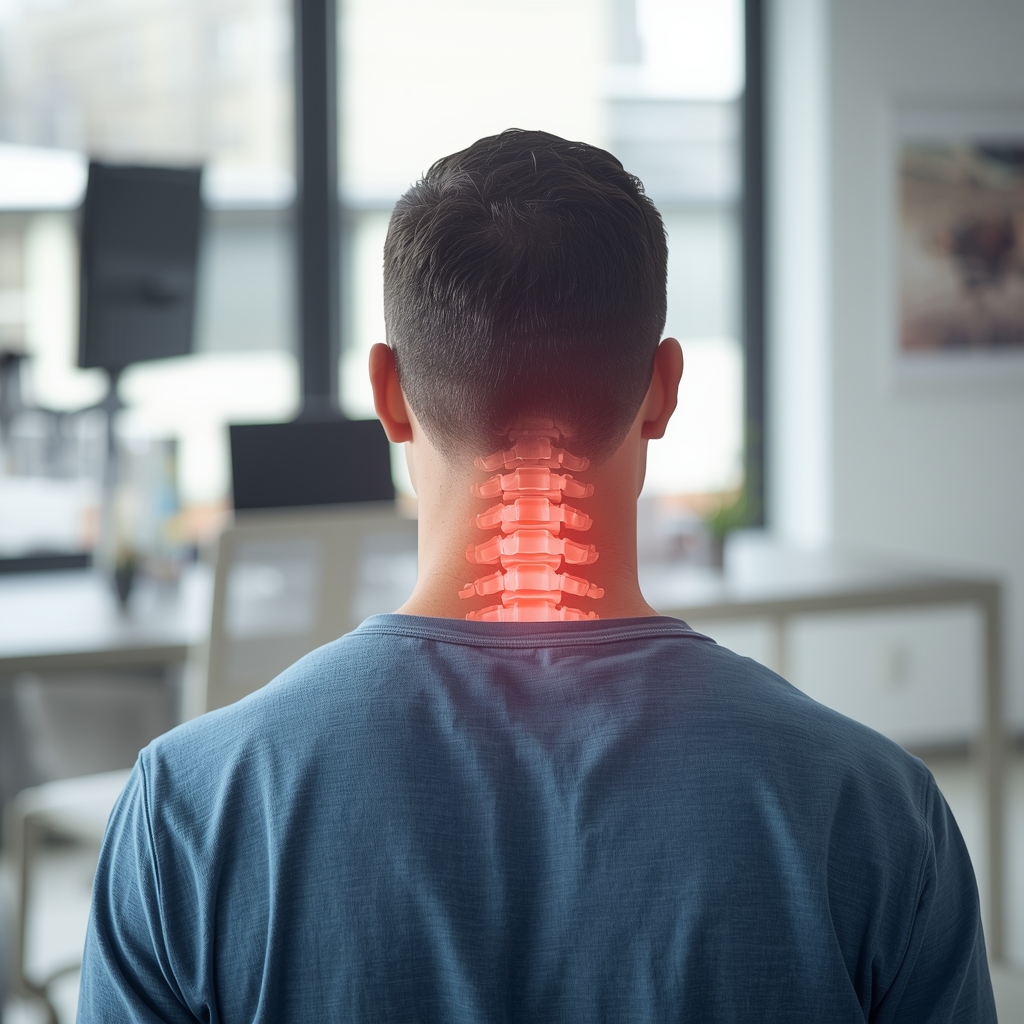
Understanding Whiplash and Its Impact on the Cervical Spine
Whiplash occurs when the head is suddenly jerked forward and then backward, straining the neck's muscles, ligaments, and joints. This common injury from auto accidents can lead to long-term cervical spine issues if not addressed. The cervical spine, composed of seven vertebrae, supports the head and allows for movement. Whiplash disrupts this structure, potentially causing misalignments, soft tissue damage, and nerve irritation. Over time, these disruptions may contribute to chronic pain, reduced range of motion, or degenerative changes. Understanding the mechanics of whiplash is crucial for recognizing its potential consequences and the importance of timely intervention. While many recover fully, others face lingering effects that require specialized care to manage effectively.
Common Long-Term Effects of Whiplash on Cervical Health
Long-term effects of whiplash can vary but often include persistent neck pain, stiffness, and headaches. Some individuals experience reduced mobility, making daily activities challenging. Nerve-related symptoms like tingling, numbness, or weakness in the arms may also arise due to spinal misalignment or disc damage. Chronic conditions such as cervical degeneration or arthritis can develop over time, especially if the spine doesn’t heal properly. Additionally, whiplash may contribute to post-traumatic stress or sleep disturbances, compounding physical discomfort. These issues highlight the need for proactive care to prevent complications. Early intervention can mitigate long-term risks, but ongoing monitoring is essential for those with lingering symptoms. Recognizing these effects empowers individuals to seek appropriate support for their recovery journey.
How Chiropractic Care Addresses Cervical Spine Injuries
Chiropractic care focuses on restoring proper spinal alignment and function, which is critical for whiplash recovery. By addressing misalignments (subluxations) in the cervical spine, chiropractors aim to reduce pressure on nerves and muscles, promoting natural healing. This approach can alleviate pain, improve mobility, and prevent secondary complications. Chiropractors use gentle adjustments to realign the vertebrae, often combined with soft tissue therapies to ease tension. They may also recommend exercises to strengthen neck muscles and improve posture. For long-term health, chiropractors emphasize the importance of regular checkups to monitor progress and make necessary adjustments. This holistic strategy supports the body’s innate ability to heal while addressing the root causes of discomfort, offering a non-invasive alternative to medication or surgery.
Chiropractic Techniques for Whiplash Recovery
Chiropractors employ various techniques to treat whiplash, tailored to each patient’s needs. Spinal manipulation is a primary method, realigning the cervical vertebrae to reduce pain and restore function. Soft tissue therapies, such as Active Release Technique (ART), target muscle tension and scar tissue, enhancing recovery. Some practitioners use mobilization techniques, which involve gentle, controlled movements to improve joint flexibility. Adjunct therapies like cold laser therapy or electrical stimulation may also be incorporated to reduce inflammation and promote healing. These approaches are often combined with rehabilitative exercises to strengthen the neck and improve posture. By addressing both structural and muscular components, chiropractic care offers a comprehensive solution for whiplash, supporting the body’s natural recovery processes without invasive procedures.
The Role of Ongoing Care in Preventing Chronic Issues
Consistent chiropractic care is vital for preventing chronic complications after whiplash. Even after initial symptoms subside, underlying issues like spinal misalignments or muscle imbalances may persist, increasing the risk of long-term problems. Regular adjustments help maintain proper spinal alignment, reducing the likelihood of degenerative changes or recurring pain. Chiropractors may also monitor nerve function and recommend lifestyle modifications, such as ergonomic adjustments or posture corrections, to support recovery. Ongoing care can address subtle shifts in the spine that might otherwise go unnoticed, preventing minor issues from escalating. By prioritizing maintenance visits, patients can sustain their progress and minimize the risk of chronic conditions, ensuring long-term cervical spine health and overall well-being.
When to Seek Chiropractic Help After a Whiplash Injury
If you experience neck pain, stiffness, or headaches following a car accident, consulting a chiropractor is advisable. Early intervention can prevent minor injuries from worsening and reduce the risk of chronic issues. A chiropractor will conduct a thorough evaluation, including a medical history review and physical examination, to assess the extent of the injury. They may also collaborate with other healthcare providers to ensure a comprehensive approach. For those with lingering symptoms, chiropractic care offers a non-invasive option to manage pain and restore function. It’s important to seek care promptly, as delayed treatment may complicate recovery. A qualified chiropractor can create a personalized plan to address your specific needs, supporting your body’s natural healing process and improving long-term outcomes.













