
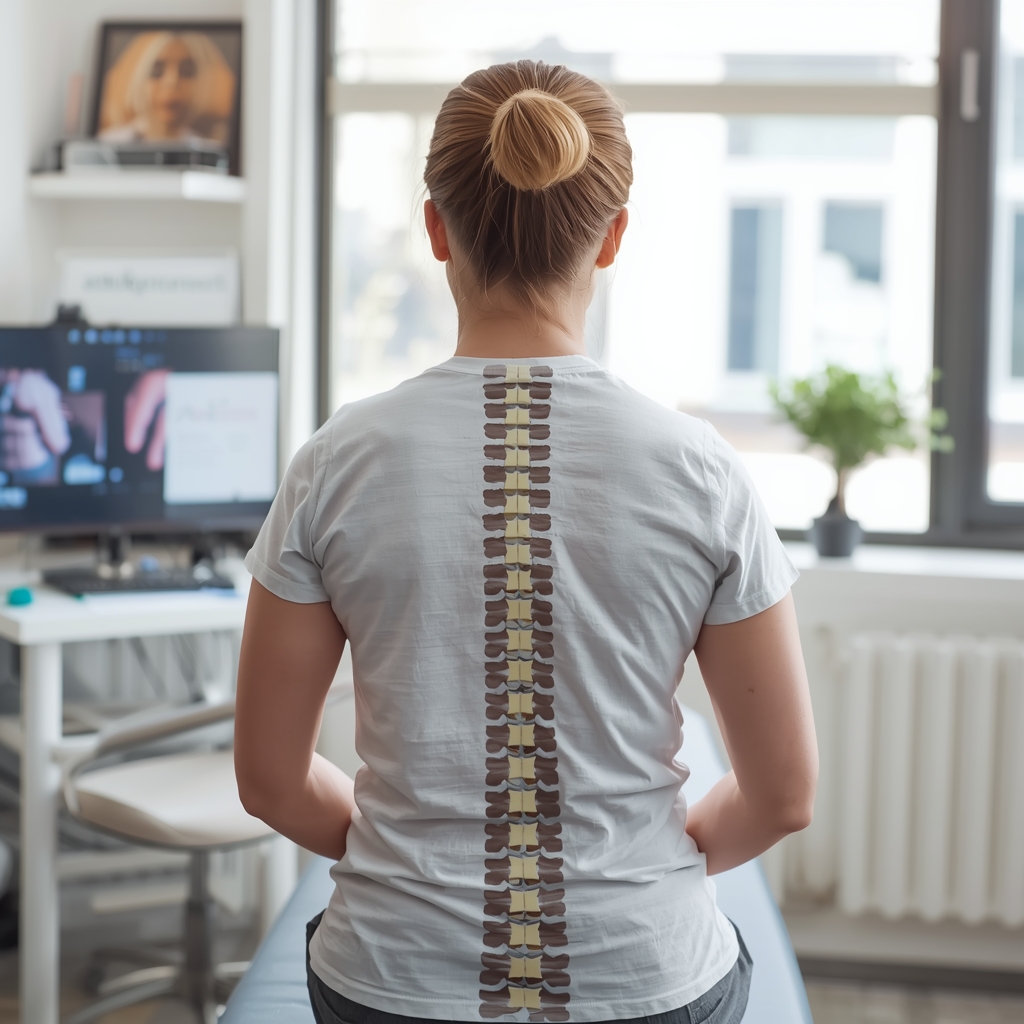
Advancements in Precision Spinal Correction Technologies
Chiropractic care has evolved significantly, with new tools enhancing precision for complex spinal cases. Traditional manual adjustments are now supplemented by advanced instruments designed to improve accuracy and patient comfort. These innovations address challenges like spinal misalignments, degenerative conditions, and postural imbalances, offering tailored solutions for individual needs. As technology progresses, chiropractors can deliver more targeted corrections, reducing recovery times and improving outcomes. Understanding these tools helps patients appreciate the science behind modern spinal care.
Digital Palpation and Pressure-Sensing Instruments
Digital palpation devices use sensors to detect spinal irregularities, providing real-time feedback during adjustments. These tools measure pressure points and tissue tension, helping practitioners identify areas requiring correction. By quantifying findings, they reduce reliance on subjective assessments, ensuring consistency in treatment. Patients benefit from more precise interventions, minimizing discomfort and enhancing effectiveness. Such instruments are particularly valuable in complex cases where subtle misalignments demand careful attention. Their integration into practice reflects a shift toward data-informed chiropractic care.
AI-Driven Analysis for Personalized Adjustments
Artificial intelligence is transforming spinal correction by analyzing patient data to guide adjustments. AI systems process imaging, posture assessments, and historical records to create customized treatment plans. This technology identifies patterns that may elude manual evaluation, enabling more accurate diagnoses. Chiropractors can then apply targeted corrections, optimizing results for conditions like scoliosis or chronic pain. While AI enhances decision-making, it complements rather than replaces clinical expertise. Patients should discuss how these tools might apply to their specific situations with their provider.
Low-Force and Instrument-Assisted Techniques
Low-force instruments, such as the Activator Method, deliver controlled, gentle adjustments without manual thrusting. These tools are ideal for sensitive patients or those with fragile spinal structures. Instrument-assisted soft tissue therapies also aid in resolving muscle tension that contributes to misalignments. By combining these methods, chiropractors address both skeletal and muscular components of spinal issues. Such approaches reduce risks associated with traditional adjustments, making care safer for complex cases. They highlight the field’s adaptability to diverse patient needs.
3D Imaging Integration for Enhanced Visualization
3D imaging technologies, like digital radiography and motion analysis, provide detailed spinal insights during adjustments. These systems capture real-time movement and structural data, allowing practitioners to visualize misalignments with greater clarity. Integration with adjusting instruments enables precise corrections based on dynamic spinal behavior. This technology is especially beneficial for cases involving multi-level dysfunction or post-surgical recovery. By combining imaging with manual techniques, chiropractors achieve more accurate outcomes. Patients may find these tools reassuring, as they offer a clearer understanding of their condition and treatment progress.
Robotic-Assisted Systems and Future Innovations
Robotic-assisted systems are emerging as tools for standardized, repeatable adjustments. These devices use programmed parameters to apply consistent force, reducing human variability. While still in early adoption, they show promise for complex cases requiring meticulous precision. Future developments may include wearable tech that monitors spinal health continuously, alerting practitioners to changes in real time. As these technologies evolve, they will likely expand the scope of chiropractic care. However, their use remains complementary to practitioner expertise, ensuring patient safety and individualized attention.














