
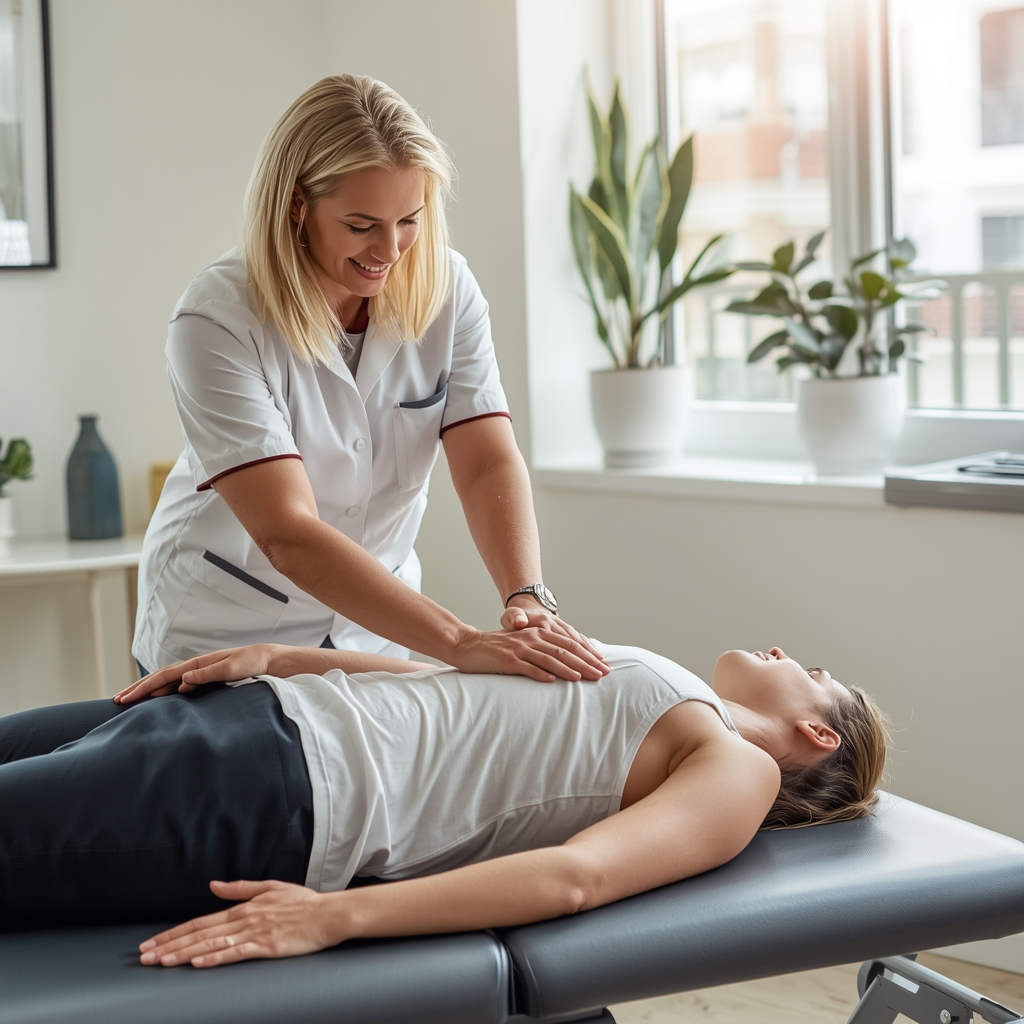
Understanding the Graston Technique
The Graston Technique is a soft tissue therapy that uses specialized instruments to detect and treat areas of restricted movement caused by scar tissue or adhesions. During patient education, chiropractors should first explain the basic concept: that myofascial restrictions can limit mobility and cause pain. Emphasize that the technique targets these restrictions by breaking down scar tissue and promoting healing. Use simple language to describe how the instruments glide over the skin, identifying tight or tender areas. Avoid medical jargon to ensure clarity. Highlight that this approach complements traditional chiropractic adjustments by addressing soft tissue imbalances. Patients should understand it is a non-invasive, evidence-based method widely used in sports medicine and rehabilitation. This foundation helps set the stage for a practical demonstration.
Preparing for the Demonstration
Before demonstrating the Graston Technique, chiropractors must ensure the environment is safe and conducive to learning. Begin by explaining the purpose of the demonstration, such as helping patients visualize how the technique works. Use a mannequin, model, or a willing colleague to showcase the process without compromising patient privacy. Clearly outline the steps: instrument selection, application of lubricant, and the rhythmic sweeping motions used to address tight tissues. Stress the importance of gentle pressure and patient comfort. Encourage questions to address any concerns. This preparation builds trust and ensures patients feel informed. Also, mention that the technique is tailored to individual needs, reinforcing that it is not a one-size-fits-all approach. By setting clear expectations, chiropractors create a supportive atmosphere for effective learning.
Step-by-Step Technique Explanation
During the demonstration, break down the Graston Technique into manageable steps. Start by showing how the instruments are used to palpate the affected area, identifying regions of tension or adhesion. Explain that the tools help detect irregularities in soft tissue that may not be apparent through manual examination alone. Next, demonstrate the sweeping motions applied to the area, emphasizing the controlled, rhythmic movements designed to break up scar tissue. Highlight the use of lubricant to reduce friction and enhance glide. Describe how the process may cause mild discomfort but should not be painful. Encourage patients to communicate their sensations throughout. Reinforce that the goal is to restore normal tissue function and improve range of motion. This structured explanation helps patients grasp the mechanics of the technique and its role in their care plan.
Addressing Patient Concerns and Questions
Patient education sessions should include time for open dialogue to address concerns about the Graston Technique. Common questions may involve safety, effectiveness, or potential side effects. Reassure patients that the technique is performed by trained professionals who prioritize their comfort and safety. Explain that mild bruising or soreness is possible but typically temporary. Encourage patients to ask about how the technique aligns with their specific condition or goals. Use analogies, such as comparing scar tissue to a kink in a garden hose, to simplify complex concepts. Emphasize that the chiropractor will monitor their response and adjust the approach as needed. By fostering a collaborative environment, patients feel empowered to engage with their care. This transparency strengthens the doctor-patient relationship and promotes adherence to treatment plans.
Reinforcing Education Through Visual Aids
Visual aids enhance patient understanding of the Graston Technique. Use diagrams or videos to illustrate how instruments interact with soft tissues and break down adhesions. Show before-and-after scenarios to demonstrate potential outcomes, such as improved mobility or reduced pain. During live demonstrations, invite patients to observe the process closely, pointing out key steps like instrument placement and movement patterns. Provide take-home materials, such as brochures or digital links, for further review. Encourage patients to ask follow-up questions after the session. These resources help reinforce learning and allow patients to share information with family or caregivers. By combining visual and verbal instruction, chiropractors ensure patients grasp the technique’s benefits and role in their recovery journey.
Encouraging Active Participation and Follow-Up
Engage patients by inviting them to participate in simplified versions of the Graston Technique during the session. For example, demonstrate self-mobilization techniques using foam rollers or massage balls, showing how they can support their care at home. Explain that these tools are not substitutes for professional treatment but can complement it. Provide clear instructions on when and how to use them safely. Schedule follow-up appointments to assess progress and address any new concerns. Encourage patients to track their symptoms and share updates with their chiropractor. This proactive approach reinforces the importance of consistent care and empowers patients to take an active role in their recovery. By fostering ongoing communication, chiropractors ensure patients feel supported throughout their treatment journey.














