
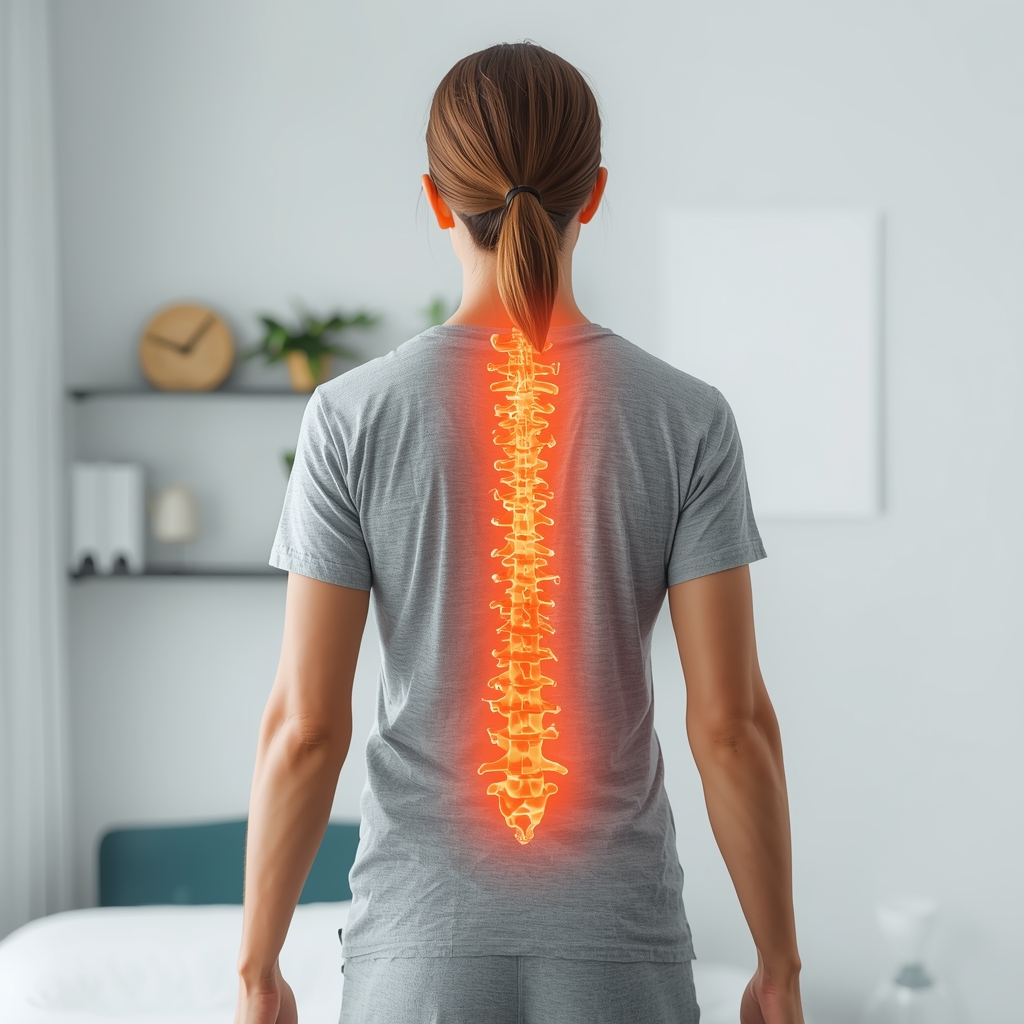
Understanding the Role of Nutrition in Spinal Stenosis Management
Spinal stenosis, a condition characterized by the narrowing of the spinal canal, can cause discomfort and mobility challenges. While chiropractic care focuses on spinal alignment and function, nutrition plays a supportive role in managing symptoms and promoting overall spinal health. A well-balanced diet can reduce inflammation, strengthen bones, and improve recovery outcomes. Patients undergoing chiropractic treatment should prioritize foods that support musculoskeletal health, as nutritional choices can influence pain levels and the body’s ability to heal. It’s important to note that while diet alone cannot cure spinal stenosis, it can complement chiropractic interventions. Always consult with a healthcare provider or registered dietitian to create a personalized plan that aligns with your specific needs and treatment goals.
Anti-Inflammatory Foods to Alleviate Spinal Discomfort
Inflammation often contributes to pain and stiffness in spinal stenosis. Incorporating anti-inflammatory foods into the diet may help reduce these symptoms. Foods rich in omega-3 fatty acids, such as fatty fish (salmon, mackerel), flaxseeds, and walnuts, are known to combat inflammation. Fruits and vegetables, particularly those high in antioxidants like berries, leafy greens, and colorful produce, can also support the body’s natural healing processes. Spices such as turmeric and ginger have anti-inflammatory properties that may provide additional relief. Patients should aim to minimize processed foods, refined sugars, and trans fats, which can exacerbate inflammation. While these dietary choices are generally beneficial, individual responses may vary, and it’s advisable to discuss them with a healthcare professional to ensure they align with your treatment plan.
The Importance of Hydration for Spinal Health
Proper hydration is essential for maintaining the health of spinal discs and surrounding tissues. Water helps keep discs cushioned and flexible, which is critical for individuals with spinal stenosis. Dehydration can lead to increased pressure on the spine and worsen discomfort. Aim to drink adequate water throughout the day, with recommendations varying based on factors like activity level and climate. Herbal teas and foods with high water content, such as cucumbers and watermelon, can also contribute to hydration. Avoid excessive consumption of caffeinated or sugary beverages, as they may lead to dehydration or inflammation. While hydration alone is not a treatment for spinal stenosis, it supports overall musculoskeletal function. A chiropractor or nutritionist can offer guidance on personalized hydration strategies to complement your care.
Nutrients for Bone and Joint Strength
Strong bones and joints are vital for managing spinal stenosis, as they provide structural support and reduce stress on the spine. Calcium and vitamin D are essential for bone health, found in dairy products, leafy greens, and fortified foods. Vitamin C, present in citrus fruits and bell peppers, aids in collagen production, which is important for joint integrity. Magnesium, found in nuts, seeds, and whole grains, also plays a role in muscle and bone function. Some patients may benefit from supplements, but these should be discussed with a healthcare provider to avoid interactions or overuse. A diet rich in these nutrients can enhance the effectiveness of chiropractic adjustments and reduce the risk of further complications. Always consult a qualified professional before making significant changes to your diet or supplement routine.
Maintaining a Healthy Weight to Reduce Spinal Pressure
Excess body weight can place additional strain on the spine, worsening symptoms of spinal stenosis. Maintaining a healthy weight through balanced nutrition and regular physical activity is crucial for spinal health. A diet focused on whole foods, lean proteins, and complex carbohydrates can help manage weight without depriving the body of essential nutrients. Avoiding excessive calorie intake and limiting high-fat, high-sugar foods supports overall well-being. Patients should work with a healthcare provider to develop a sustainable weight management plan, as rapid or extreme diets may negatively impact recovery. Chiropractic care often includes lifestyle recommendations, and a nutritionist can collaborate with your chiropractor to create an integrated approach that addresses both spinal and dietary needs.
Avoiding Harmful Substances and Processed Foods
Certain substances and foods can negatively impact spinal health and exacerbate symptoms of spinal stenosis. Excessive alcohol consumption may interfere with bone density and healing, while high-sodium diets can contribute to inflammation and fluid retention. Processed foods, often high in unhealthy fats, sugars, and preservatives, may also promote inflammation and weaken the body’s ability to recover. Opting for whole, unprocessed foods can provide more nutrients and reduce the risk of complications. Patients should be mindful of their intake of refined sugars and artificial additives, which can affect energy levels and overall health. While avoiding these substances is generally advisable, individual needs may vary. A healthcare provider can help tailor recommendations to ensure they align with your chiropractic care and personal health goals.













