
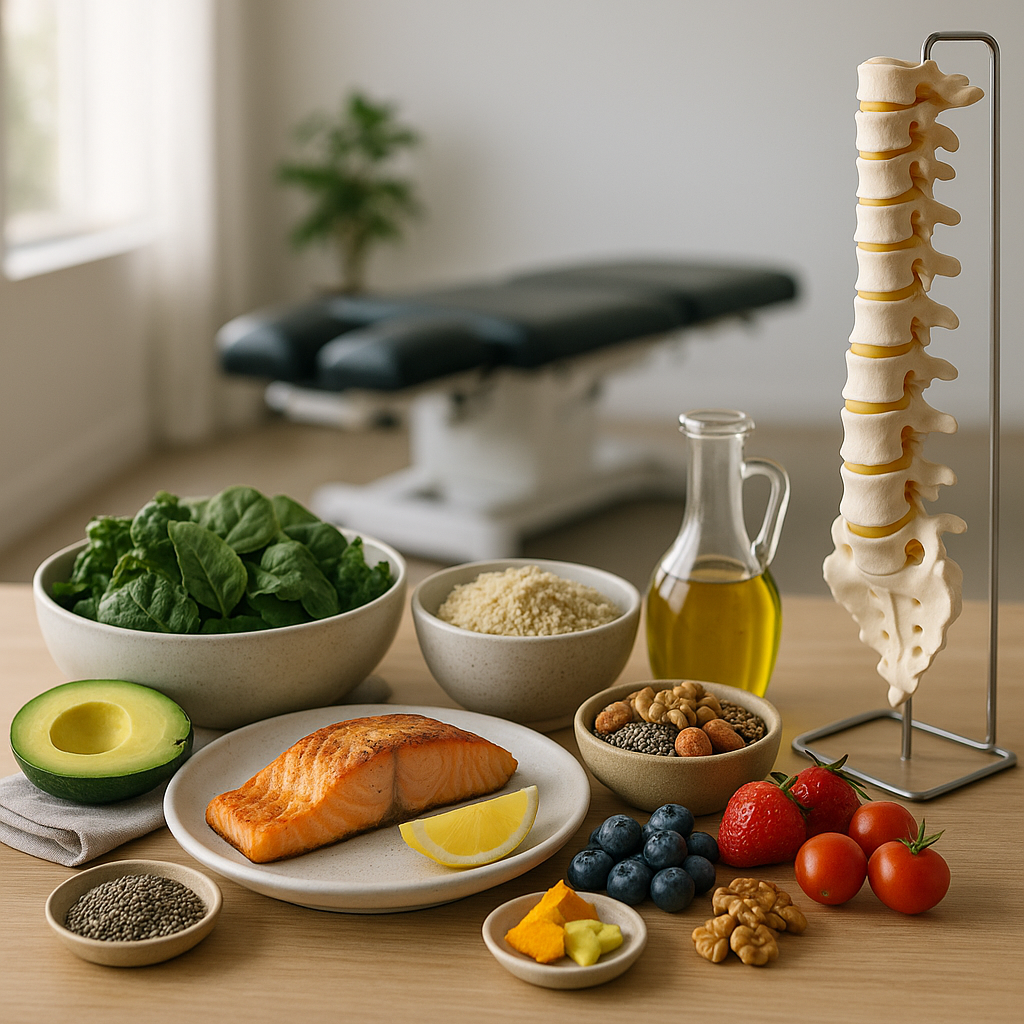
Understanding Chiropractic Nutrition Guidelines for Optimal Health
When most people think about chiropractic care, they picture spinal adjustments and manual therapies. However, a well-rounded chiropractic approach extends far beyond physical manipulation. Chiropractors are increasingly recognising that diet and nutrition play a fundamental role in musculoskeletal health, pain management, and overall well-being. Understanding the chiropractic nutrition guidelines can help patients achieve faster recovery, reduce chronic pain, and maintain long-term spinal health.
This article explores the dietary principles that chiropractors commonly recommend, how nutrition impacts the spine and joints, and practical steps you can take to align your eating habits with your chiropractic treatment plan.
Why Do Chiropractors Give Diet and Nutrition Advice?
Chiropractors are trained healthcare professionals who take a holistic view of the human body. They understand that the spine, nervous system, muscles, and joints do not function in isolation — they are deeply influenced by the nutrients we consume every day. Poor dietary choices can contribute to inflammation, weight gain, weakened bones, and slower tissue repair, all of which directly affect spinal health and the effectiveness of chiropractic treatment.
Offering chiropractic diet advice is a natural extension of patient care because:
- Excess body weight places additional stress on the spine and joints.
- Nutritional deficiencies can weaken bones, cartilage, and connective tissues.
- Chronic inflammation, often driven by diet, is a leading cause of back pain and joint disorders.
- Proper hydration is essential for maintaining the health of intervertebral discs.
- A nutrient-rich diet supports the body’s natural healing processes during and after chiropractic treatment.
By combining spinal care with sound nutritional guidance, chiropractors aim to treat the whole person rather than just the symptoms.
The Anti-Inflammatory Diet: A Core Recommendation
One of the most widely discussed topics in chiropractic nutrition is the anti-inflammatory diet. Inflammation is at the root of many painful conditions, including arthritis, herniated discs, sciatica, and general back pain. An anti-inflammatory diet chiropractor recommendations typically centre around foods that help reduce systemic inflammation throughout the body.
Foods to Embrace on an Anti-Inflammatory Diet
Chiropractors often encourage patients to focus on whole, minimally processed foods that are rich in antioxidants, healthy fats, and essential nutrients. Key food groups include:
- Fatty fish: Salmon, mackerel, sardines, and tuna are rich in omega-3 fatty acids, which have powerful anti-inflammatory properties and support joint lubrication.
- Leafy green vegetables: Spinach, kale, and Swiss chard are loaded with vitamins K, C, and magnesium, all of which support bone density and reduce inflammation.
- Berries and fruits: Blueberries, cherries, oranges, and strawberries contain high levels of antioxidants that combat oxidative stress and inflammation.
- Nuts and seeds: Walnuts, flaxseeds, and chia seeds provide omega-3 fatty acids and healthy fats that support nerve and joint health.
- Olive oil: Extra virgin olive oil contains oleocanthal, a compound known for its anti-inflammatory effects similar to ibuprofen.
- Whole grains: Oats, brown rice, and quinoa provide fibre and nutrients that help regulate blood sugar and reduce inflammation markers.
- Turmeric and ginger: These natural spices contain curcumin and gingerol, respectively, both of which are well-documented natural anti-inflammatory agents.
Foods to Avoid or Limit
Equally important is what to remove or reduce from your diet. Chiropractors advise limiting the following inflammatory foods:
- Processed and fast foods high in trans fats and refined sugars
- Excessive red and processed meats
- Refined carbohydrates such as white bread, pastries, and sugary cereals
- Sugary beverages including sodas and fruit juices with added sugar
- Excessive alcohol consumption
- Artificial additives, preservatives, and food colourants
- Vegetable oils high in omega-6 fatty acids, such as corn oil and sunflower oil
These foods promote systemic inflammation, contribute to weight gain, and can slow the healing process, making chiropractic treatment less effective over time.
Chiropractic Nutrition Guidelines for Spine Health
The spine health diet recommended by chiropractors emphasises specific nutrients that directly support the structural integrity of the spine and surrounding tissues. Here are the key nutritional priorities:
Calcium and Vitamin D for Bone Health
Strong bones form the foundation of a healthy spine. Calcium is the primary mineral in bone tissue, while vitamin D is essential for calcium absorption. Chiropractors frequently stress adequate intake of both nutrients to prevent conditions like osteoporosis and vertebral fractures.
Additional Resources
- NIH overview of spinal manipulation
- MedlinePlus back pain resources
- NINDS low back pain information
- What is the chiropractic approach to breath work and spinal health?
- What is the chiropractic approach to sleeping positions and spinal health?
- What is the chiropractic approach to gut health and the spine?













