Most Common Types of Personal Injury Cases
Personal injury cases arise when a person is harmed because of another person’s, company’s, or organization’s actions or failure to act with reasonable care. The most common types of personal injury cases include motor vehicle collisions, slip-and-fall accidents, medical malpractice, workplace injuries, dog bites, defective products, and injuries caused by unsafe property conditions. Each case is different, but most personal injury claims involve similar questions: Was there a duty of care? Was that duty breached? Did the breach cause an injury? And what losses resulted from the injury? Understanding the major categories can help injured people recognize when they may need guidance from qualified local professionals, including a licensed attorney and appropriate healthcare providers.
Motor Vehicle Accident Cases
Motor vehicle collisions are among the most common personal injury cases. They include crashes involving cars, trucks, motorcycles, bicycles, pedestrians, rideshare vehicles, delivery vehicles, and public transportation. These cases often involve allegations of negligent driving, such as speeding, distracted driving, impaired driving, failing to yield, following too closely, or ignoring traffic signals.
Injuries from motor vehicle accidents can range from minor soreness to serious trauma. Common issues include whiplash, back and neck pain, fractures, concussions, soft tissue injuries, and emotional distress. Because symptoms may change over time, it is important for injured people to speak with qualified healthcare professionals for individual evaluation and care. From a claims perspective, evidence may include police reports, photographs, witness statements, vehicle damage, medical records, and insurance information.
Slip-and-Fall and Trip-and-Fall Cases
Slip-and-fall and trip-and-fall cases usually fall under premises liability, which concerns the responsibility of property owners and occupiers to maintain reasonably safe conditions. These cases can happen in grocery stores, restaurants, apartment buildings, sidewalks, parking lots, offices, hotels, or private homes. Common hazards include wet floors, uneven pavement, loose rugs, poor lighting, broken stairs, missing handrails, ice, cluttered walkways, and unmarked hazards.
Not every fall leads to a valid personal injury claim. A key issue is whether the property owner knew, or reasonably should have known, about the dangerous condition and failed to address it or warn visitors. The timing of the hazard matters. For example, a spill that occurred seconds before a fall may be viewed differently from a spill that remained uncleaned for an hour. Useful information may include incident reports, security footage, photos of the hazard, maintenance records, and the names of witnesses.
Medical Malpractice Cases
Medical malpractice cases involve claims that a healthcare provider failed to meet the accepted standard of care and that the failure caused harm. These cases may involve doctors, nurses, hospitals, clinics, dentists, pharmacists, or other healthcare professionals. Common examples include delayed diagnosis, misdiagnosis, surgical errors, medication errors, birth injuries, anesthesia mistakes, failure to monitor a patient, or failure to obtain informed consent.
Medical malpractice cases are often complex because a poor outcome does not automatically mean malpractice occurred. Medicine involves judgment, risk, and uncertainty. A claim typically requires a careful review of medical records and, in many situations, input from qualified medical experts. Anyone who believes they were harmed by medical care should consult appropriate healthcare professionals about their health and a qualified local attorney about legal options, deadlines, and requirements in their jurisdiction.
Workplace Injury Cases
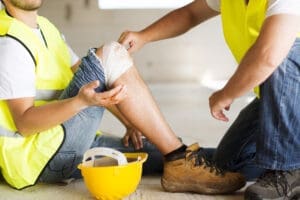
Workplace injuries are common in construction, manufacturing, transportation, healthcare, retail, office, and warehouse settings. Injuries may result from falls, lifting accidents, machinery, repetitive strain, vehicle incidents, exposure to harmful substances, falling objects, or unsafe work practices. Many employees are covered by workers’ compensation systems, which may provide benefits regardless of fault, depending on local law.
Some workplace injury situations may also involve a personal injury claim against a third party. For example, a worker injured by defective equipment, a negligent subcontractor, or an unsafe property condition controlled by someone other than the employer may have additional legal questions to consider. Because workers’ compensation rules and third-party claims vary by location, injured workers should speak with qualified local professionals before making decisions that could affect their rights or benefits.
Dog Bite and Animal Attack Cases
Dog bites and animal attacks can cause puncture wounds, scarring, infections, nerve damage, fractures, and psychological trauma. Children are often at higher risk because of their size and limited ability to recognize warning signs. These cases may occur in homes, parks, sidewalks, apartment complexes, or businesses that allow animals on the property.
Liability rules for dog bites differ widely. Some places apply strict liability, meaning an owner may be responsible even if the dog had not previously shown aggression. Other places require proof that the owner knew or should have known the animal was dangerous. Evidence may include animal control reports, vaccination records, photos of injuries, witness statements, prior complaints, and information about leash laws. Anyone bitten by an animal should seek appropriate medical guidance, especially due to infection and rabies-related concerns.
Defective Product Injury Cases
Defective product cases involve injuries caused by unsafe consumer goods, tools, vehicles, medical devices, appliances, medications, children’s products, industrial equipment, or household items. A product may be defective because of its design, manufacturing process, or inadequate warnings and instructions. For example, a power tool may lack a necessary guard, a tire may fail unexpectedly, or a medication may not include proper risk warnings.
Product liability cases can involve manufacturers, distributors, retailers, and other companies in the supply chain. These claims often require preserving the product, packaging, receipts, instructions, photographs, and any related maintenance records. Injured consumers should avoid altering or discarding the product if a claim may be considered. Because these matters can involve technical evidence and multiple responsible parties, local legal guidance is often important.
Premises Liability Beyond Falls
Premises liability is broader than slip-and-fall accidents. It may include injuries caused by negligent security, swimming pool hazards, elevator or escalator defects, unsafe stairways, fires, toxic exposure, falling merchandise, or building code violations. These cases focus on whether the person or business responsible for the property took reasonable steps to prevent foreseeable harm.
Negligent security cases are one example. A hotel, apartment complex, parking garage, or business may face questions about whether it provided reasonable lighting, locks, cameras, staff, or other safety measures in light of known risks. These cases depend heavily on facts, including the history of incidents in the area and what the property owner could reasonably anticipate.
Assault, Battery, and Intentional Injury Cases
Some personal injury cases arise from intentional conduct rather than carelessness. Assault, battery, physical attacks, and other intentional acts can lead to civil claims separate from any criminal case. A criminal case is brought by the government and may result in penalties such as probation, fines, or incarceration. A civil personal injury case focuses on compensation for the injured person’s losses.
Intentional injury cases may involve individuals, but they can also raise questions about whether a business, school, employer, or property owner failed to take reasonable precautions. For example, if an attack occurred in a location with a known pattern of violence, the property owner’s security practices may be examined. These situations are sensitive, and affected individuals should seek support from qualified local professionals.
Wrongful Death Cases
A wrongful death case may arise when an injury caused by negligence, malpractice, a defective product, or intentional conduct results in death. These cases can come from motor vehicle crashes, workplace incidents, medical errors, unsafe property conditions, or dangerous products. The purpose is generally to address losses suffered by surviving family members or the estate, as defined by local law.
Wrongful death laws vary significantly, including who may bring a claim, what damages may be available, and how quickly action must be taken. Families dealing with a sudden loss should consider speaking with a qualified local attorney and appropriate grief or healthcare professionals. Legal and emotional support can both be important during this process.
Common Elements in Personal Injury Claims
Although the facts differ, most personal injury cases involve the same basic building blocks. The injured person generally must show that someone owed a duty of care, breached that duty, caused the injury, and created measurable losses. Losses may include medical expenses, lost income, reduced earning ability, pain and suffering, property damage, rehabilitation costs, or long-term care needs.
Documentation is often important. Helpful records may include medical visits, bills, prescriptions, photographs, repair estimates, wage records, incident reports, correspondence with insurers, and a written timeline of what happened. It is also wise to be cautious with recorded statements, broad medical authorizations, or quick settlement offers before understanding the full situation. For individual guidance, readers should contact qualified local legal and medical professionals.
Key Takeaways
- The most common types of personal injury cases include vehicle collisions, falls, medical malpractice, workplace injuries, dog bites, defective products, unsafe property claims, intentional injuries, and wrongful death.
- Most personal injury claims are based on proving duty of care, breach, causation, and damages, but the details and legal rules vary by location and case type.
- Injured people should document what happened, seek appropriate healthcare evaluation, and contact qualified local professionals for advice tailored to their situation.
Personal injury cases cover a wide range of accidents and harmful events, but they generally focus on whether preventable conduct caused someone to suffer losses. Knowing the common case types can make it easier to understand what information may matter and when professional guidance is appropriate. Because injuries, insurance issues, filing deadlines, and liability rules vary, anyone facing a specific situation should speak with qualified local healthcare providers and legal professionals before deciding what steps to take.
Additional Resources
- CDC/NIOSH ergonomics resources
- NIH overview of spinal manipulation
- MedlinePlus back pain resources
- What is the role of chiropractic in personal injury cases?
- Common Workplace Injuries That Lead to Successful Legal Claims
- Common Causes Of Motorcycle Accidents In Denver