
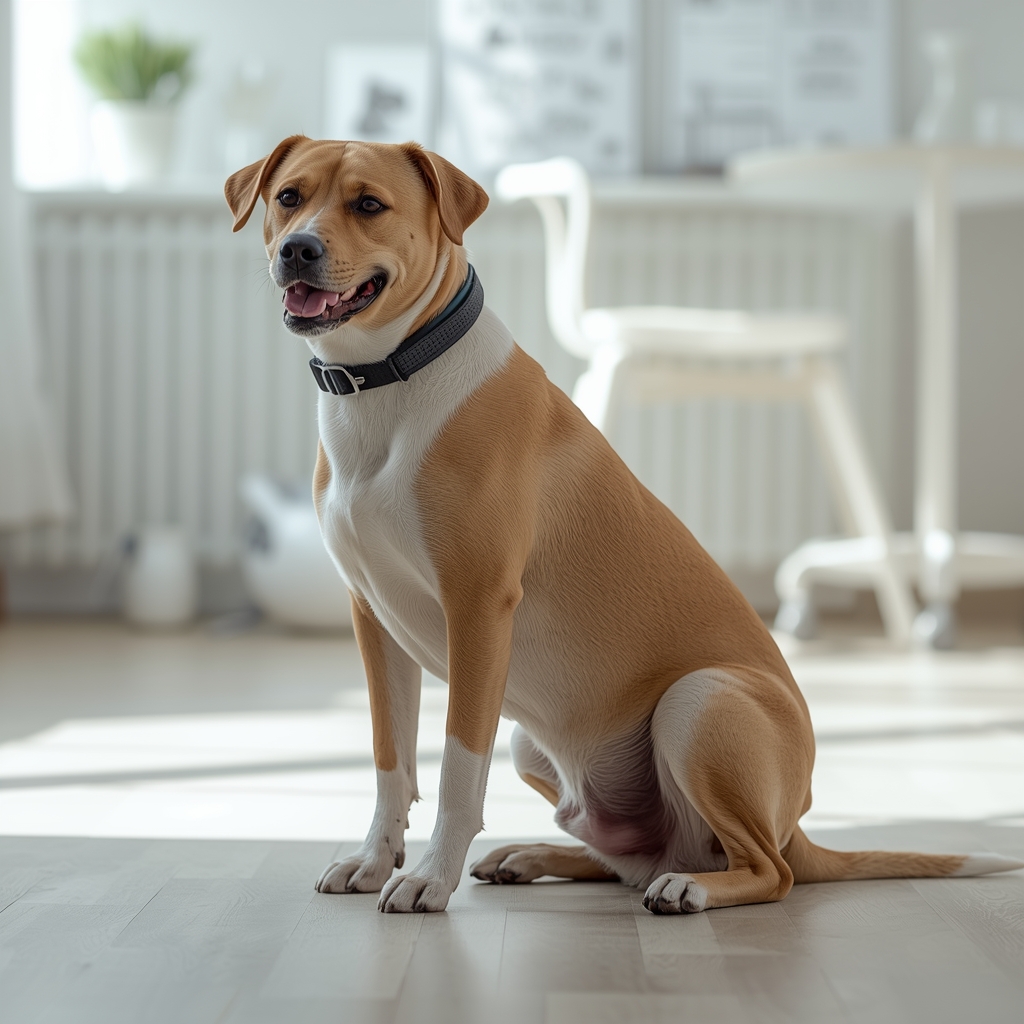
Understanding Hip Dysplasia in Dogs
Hip dysplasia is a common orthopedic condition in dogs, characterized by abnormal development of the hip joint. This can lead to joint instability, pain, and reduced mobility, particularly in larger breeds. While genetics play a role, factors like rapid growth, obesity, and improper nutrition may exacerbate the condition. Dogs with hip dysplasia often exhibit lameness, difficulty rising, or reluctance to exercise. Traditional treatments typically involve medication, weight management, physical therapy, or surgery in severe cases. Chiropractic care offers a complementary approach to support these efforts by addressing musculoskeletal imbalances and promoting natural healing.
How Chiropractic Care Supports Canine Mobility
Chiropractic adjustments for dogs focus on aligning the spine and joints to improve nerve function and reduce pain. For dogs with hip dysplasia, this can help alleviate pressure on affected areas, enhance joint flexibility, and encourage better movement patterns. By restoring proper biomechanics, chiropractic care may reduce compensatory strain on other parts of the body, such as the back or knees. Many pet owners report improved comfort and activity levels in their dogs following regular adjustments. However, it’s important to note that chiropractic care is not a substitute for veterinary medical treatment but rather a supportive tool to enhance overall well-being.
Complementing Traditional Veterinary Treatments
Chiropractic care works alongside conventional treatments for hip dysplasia by addressing structural and functional aspects that medications or surgery may not fully resolve. For example, while anti-inflammatory drugs can ease pain, chiropractic adjustments may improve joint alignment and muscle coordination, potentially reducing the need for higher medication doses. In post-surgical recovery, gentle adjustments can aid in restoring mobility and preventing secondary complications. Veterinarians and chiropractors often collaborate to create holistic care plans, ensuring that all interventions align with the dog’s specific needs. This integrative approach emphasizes the importance of addressing both the symptoms and underlying biomechanical factors of the condition.
Promoting Natural Healing and Pain Relief
Chiropractic care for dogs with hip dysplasia may stimulate the body’s innate ability to heal by improving nervous system function. Proper spinal alignment can enhance communication between the brain and body, potentially reducing pain signals and promoting tissue repair. Techniques such as soft tissue therapy or mobilization may also ease muscle tension around the hips, contributing to greater comfort. While results vary, many pet owners observe gradual improvements in their dog’s posture, gait, and overall energy levels. It’s crucial to work with a certified veterinary chiropractor to ensure adjustments are tailored to the dog’s condition and performed safely.
Safety Considerations for Canine Chiropractic Care
When performed by a qualified professional, chiropractic care for dogs is generally safe and well-tolerated. However, it’s essential to consult with a veterinarian before starting any new treatment, especially for dogs with pre-existing conditions or those undergoing medical therapy. A thorough examination helps identify contraindications, such as severe joint instability or spinal fractures, which may require alternative approaches. Pet owners should also monitor their dog’s response to adjustments, watching for signs of discomfort or adverse reactions. Regular communication between the veterinarian, chiropractor, and pet owner ensures a coordinated, safe, and effective care plan.
Conclusion: A Holistic Approach to Canine Health
Chiropractic care offers a valuable complement to traditional treatments for dogs with hip dysplasia, focusing on improving mobility, reducing pain, and supporting the body’s natural healing processes. By addressing musculoskeletal imbalances, it can enhance the effectiveness of medical and surgical interventions while promoting long-term wellness. However, it should always be part of a broader care strategy guided by veterinary professionals. Pet owners considering chiropractic care for their dogs should seek certified practitioners with experience in animal chiropractic to ensure safe, personalized treatment. This integrative approach highlights the importance of combining conventional and complementary methods for optimal outcomes.













