
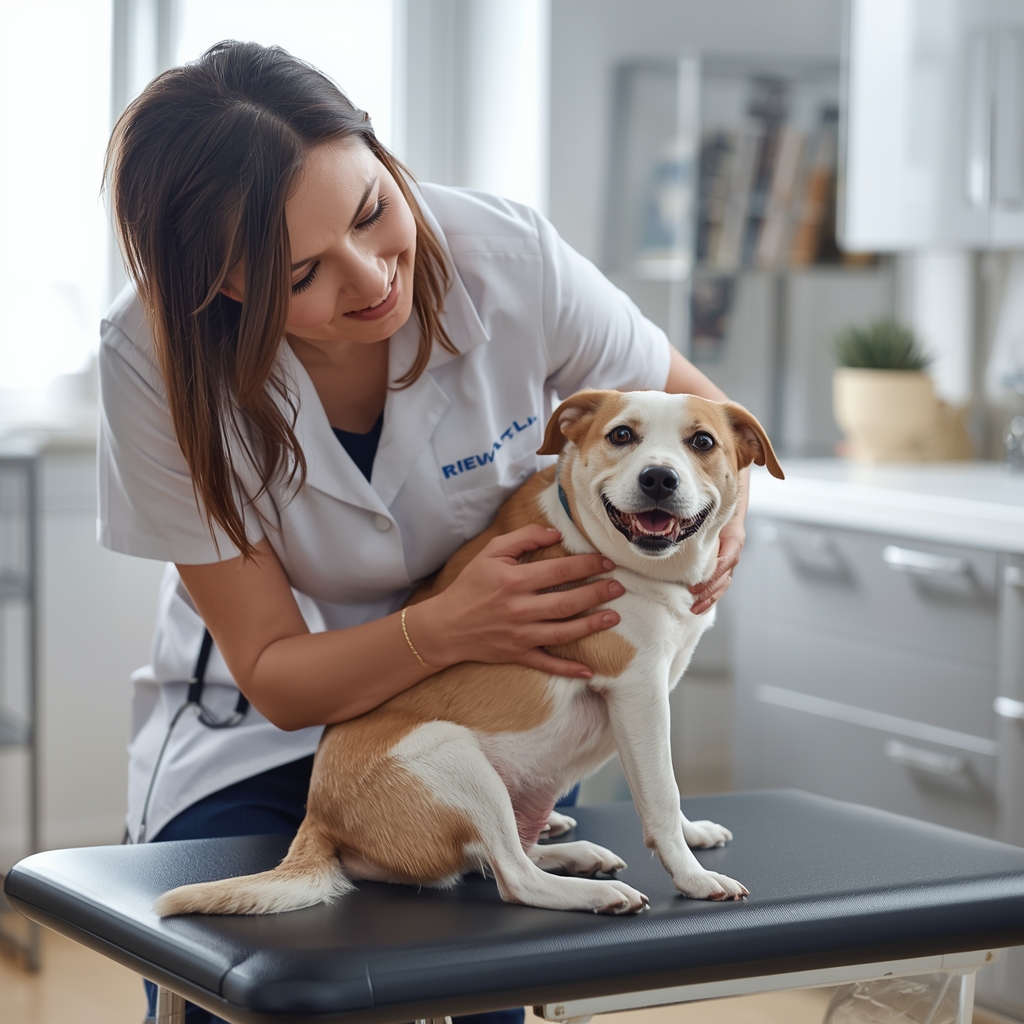
Understanding Canine Arthritis and Chiropractic Care
Arthritis is a common musculoskeletal condition in dogs, particularly in older or active breeds, causing joint pain, stiffness, and reduced mobility. While traditional treatments often focus on medication or surgery, chiropractic care offers a non-invasive, holistic approach to managing symptoms. Chiropractic adjustments for dogs aim to restore proper joint function, alleviate discomfort, and improve overall quality of life. These adjustments are tailored to the unique anatomy of canines, addressing issues in their spine, hips, and limbs. By focusing on the relationship between the musculoskeletal system and the nervous system, chiropractic care supports the body’s natural ability to heal. It is important to note that such care should always be performed by a qualified veterinary chiropractor trained in animal-specific techniques.
How Chiropractic Adjustments Alleviate Arthritis Symptoms
Chiropractic adjustments for dogs with arthritis work by realigning the spine and joints, which can reduce pressure on nerves and improve mobility. This process helps decrease inflammation and pain, allowing dogs to move more comfortably. For example, misalignments in the lower back or hips can contribute to discomfort, and gentle adjustments can restore balance. Additionally, improved joint function may enhance blood flow and nutrient delivery to affected areas, promoting healing. Many pet owners report that their dogs exhibit increased energy, better posture, and a more active lifestyle after regular chiropractic sessions. However, results vary, and consistency is key. It is crucial to consult a certified professional to ensure the adjustments are safe and appropriate for the dog’s specific condition and breed.
Tailoring Adjustments to Canine Anatomy
Dogs have a different skeletal structure and movement patterns compared to humans, requiring specialized chiropractic techniques. Adjustments for canines are typically gentler, focusing on small, precise movements to avoid strain. For instance, a dog’s spine is more flexible, and adjustments must account for this to prevent injury. Veterinarians and chiropractors trained in animal care use tools like handheld instruments or manual techniques to target specific areas, such as the thoracic or lumbar regions. The approach also considers the dog’s size, weight, and breed-specific traits—like the longer spine of a Doberman or the compact frame of a Pekingese. By adapting methods to each dog’s unique anatomy, chiropractors can maximize benefits while minimizing risks. This personalized care ensures that even senior or arthritic dogs receive safe, effective treatment.
The Role of Professional Guidance in Canine Chiropractic Care
While chiropractic care can benefit dogs with arthritis, it should never replace veterinary advice or prescribed medical treatments. A qualified veterinary chiropractor will first conduct a thorough examination to assess the dog’s condition, including checking for underlying issues that may contraindicate adjustments. This evaluation ensures that the care plan is safe and tailored to the dog’s needs. For example, dogs with severe joint damage or other health complications may require alternative approaches. Pet owners should also communicate with their primary veterinarian to coordinate care and monitor progress. Regular follow-ups with the chiropractor help track improvements and adjust the treatment plan as needed. By working with professionals, pet owners can ensure their dogs receive the safest and most effective care possible, avoiding potential risks associated with improper techniques.
Complementary Approaches to Enhance Outcomes
Chiropractic adjustments for dogs with arthritis often work best when combined with other therapies. Physical therapy, for instance, can strengthen muscles around affected joints, improving stability and reducing pain. Controlled exercise, such as swimming or short walks, may also support mobility and maintain joint health. Dietary changes, like incorporating anti-inflammatory foods or supplements, can further aid in managing arthritis symptoms. Additionally, massage therapy or acupuncture may complement chiropractic care by relaxing muscles and improving circulation. However, these approaches should always be discussed with a veterinarian or chiropractor to ensure they align with the dog’s overall treatment plan. By integrating multiple strategies, pet owners can create a comprehensive care routine that maximizes comfort and functionality for their arthritic dogs.
Conclusion: A Holistic Path for Arthritic Dogs
Chiropractic adjustments offer a valuable, non-invasive option for managing arthritis in dogs, focusing on improving mobility, reducing pain, and enhancing overall well-being. By addressing the unique anatomical needs of canines, these adjustments can provide relief and support the body’s natural healing processes. However, the success of such care depends on the expertise of a qualified veterinary chiropractor and collaboration with a primary veterinarian. Pet owners should approach this treatment with realistic expectations, understanding that results may vary and require consistent care. With proper guidance and a personalized plan, chiropractic care can play a significant role in helping arthritic dogs maintain an active, comfortable life. Always consult a professional to determine if this approach is suitable for your dog’s specific condition.













