
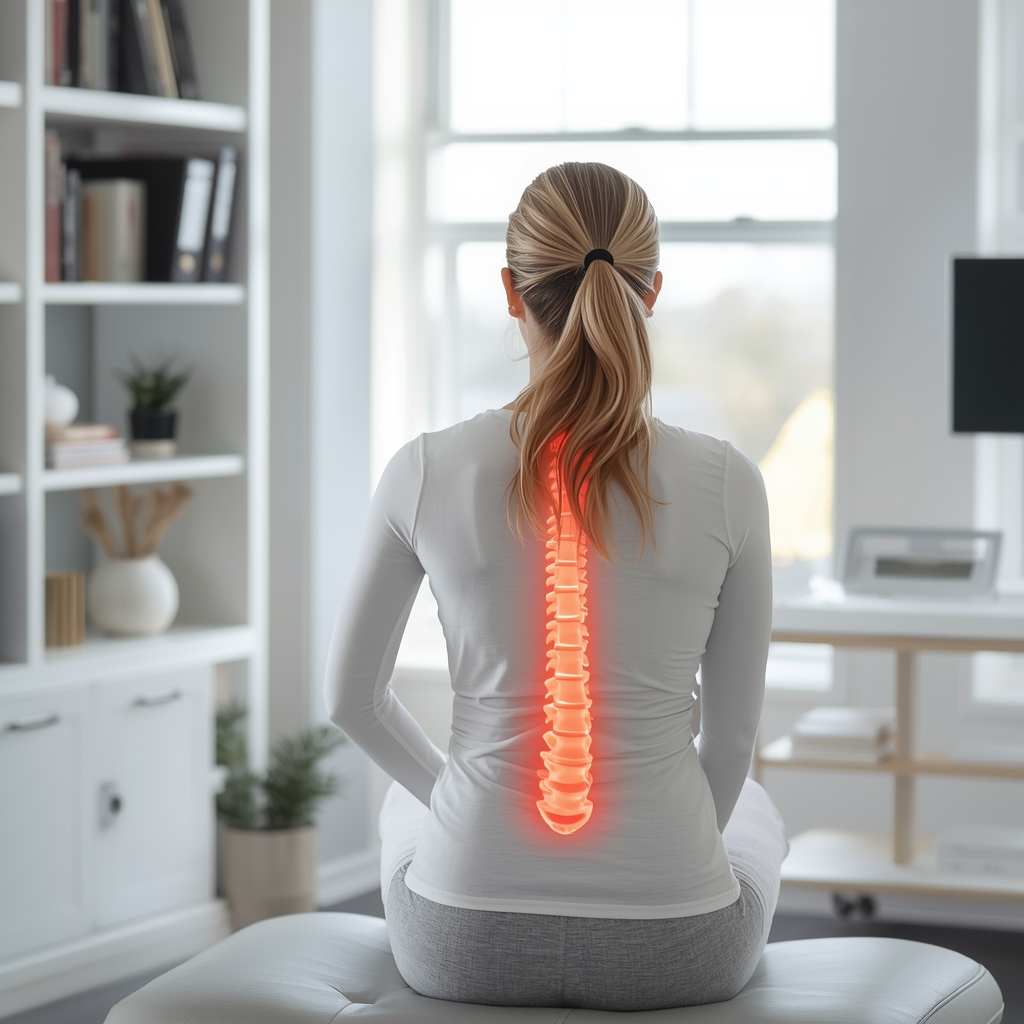
Understanding Sciatica and Nerve Compression
Sciatica refers to pain radiating along the sciatic nerve, often caused by compression or irritation of the nerve roots in the lower back. This condition commonly results from herniated discs, spinal stenosis, or misalignments in the spine. Nerve compression can lead to symptoms like sharp pain, numbness, or tingling that travels from the lower back down the legs. While many factors contribute to sciatica, chiropractic care focuses on addressing the root causes rather than just managing symptoms. By improving spinal alignment and reducing pressure on the nerve, chiropractors aim to restore normal function and alleviate discomfort. Understanding how different techniques work is key to determining the most effective approach for chronic cases.
Spinal Adjustments for Nerve Relief
Spinal adjustments, a cornerstone of chiropractic care, involve manual manipulations to realign the vertebrae and relieve pressure on the sciatic nerve. When the spine is misaligned, it can pinch or irritate nerves, exacerbating sciatica symptoms. By gently adjusting the affected areas—such as the lumbar or sacral regions—chiropractors help restore proper biomechanics and reduce nerve compression. This technique is often used to correct subluxations, which are partial dislocations of the spine that interfere with nervous system function. While results vary, many patients report decreased pain and improved mobility after a series of adjustments. It’s important to note that adjustments are tailored to each individual’s needs and should be performed by a licensed professional.
Decompression Therapy for Nerve Pressure
Spinal decompression therapy is another approach used to alleviate sciatica by targeting the underlying causes of nerve compression. This non-surgical technique uses specialized equipment to gently stretch the spine, creating negative pressure in the discs. This can help reposition bulging or herniated discs, reducing their impact on the sciatic nerve. Decompression therapy is often recommended for patients with chronic pain that hasn’t responded to other treatments. The process is typically painless and may be combined with other therapies like traction or massage. By decreasing pressure on the nerve roots, this method can promote healing and improve overall spinal function. However, its effectiveness depends on the specific cause of sciatica, and a chiropractor can determine if it’s a suitable option.
Soft Tissue Techniques for Muscle Relief
Soft tissue therapies, such as myofascial release and trigger point therapy, are often used alongside spinal adjustments to address sciatica. Tight or inflamed muscles in the lower back, hips, or legs can contribute to nerve compression and worsen symptoms. These techniques involve applying pressure to specific areas to relax tense muscles, improve blood flow, and reduce inflammation. For example, releasing the piriformis muscle—a common source of sciatic pain—can alleviate pressure on the sciatic nerve. Soft tissue work is particularly beneficial for patients with muscle-related discomfort or those recovering from injuries. While not a standalone solution, it complements other chiropractic methods by enhancing mobility and supporting long-term recovery. A qualified chiropractor can assess which soft tissue approaches are best suited for an individual’s condition.
Integrative Approaches for Chronic Cases
For chronic sciatica, chiropractors often combine multiple techniques to achieve lasting relief. This integrative approach may include spinal adjustments, decompression therapy, and soft tissue work, along with lifestyle recommendations. Patients might also benefit from exercises to strengthen core muscles, improve posture, or enhance flexibility. Chiropractors may collaborate with other healthcare providers to ensure a holistic treatment plan. While no single method works for everyone, a personalized strategy can address both structural and functional aspects of the condition. It’s essential to maintain open communication with a chiropractor to track progress and make adjustments as needed. Regular follow-ups and adherence to recommended care plans are crucial for managing chronic sciatica effectively.
When to Consult a Chiropractor
If you’re experiencing persistent lower back pain radiating to the legs, it’s wise to consult a chiropractor for an evaluation. Chronic sciatica can significantly impact daily life, and early intervention may prevent further complications. A chiropractor will conduct a thorough assessment, including a medical history review and physical examination, to identify the root cause of your symptoms. They may also recommend imaging tests if necessary. While chiropractic care is generally safe, it’s important to discuss any underlying health conditions or medications with your provider. By working with a licensed chiropractor, you can explore tailored treatment options that align with your needs and goals. Remember, this information is educational, and individualized care should always be sought for specific concerns.















