
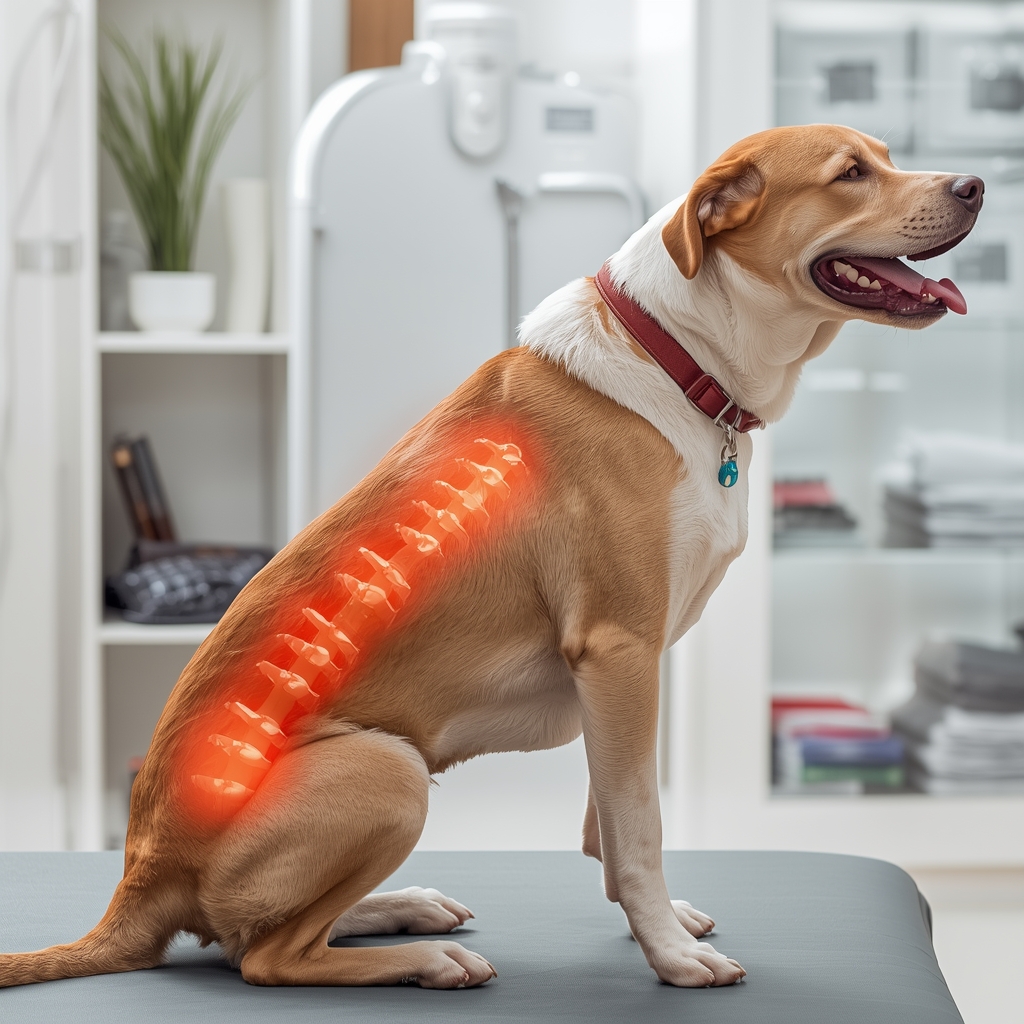
Understanding Animal Chiropractic for Senior Dogs
Animal chiropractic focuses on the musculoskeletal and nervous systems, aiming to restore balance and function through manual adjustments. For senior dogs with arthritis, this approach can address joint stiffness, nerve irritation, and reduced mobility. Unlike traditional veterinary medicine, which often prioritizes medication, chiropractic care offers a holistic alternative by targeting the root causes of discomfort. It is typically performed by certified professionals trained in animal-specific techniques, ensuring safety and effectiveness. While not a substitute for medical treatment, it can complement conventional therapies to improve quality of life.
Improving Joint Mobility and Reducing Pain
Arthritis in senior dogs often leads to chronic pain and limited movement. Animal chiropractic may help by realigning the spine and joints, reducing pressure on nerves and alleviating discomfort. This can enhance range of motion, making it easier for dogs to walk, climb stairs, or play. Many pet owners report noticeable improvements in their dogs’ activity levels after regular sessions. However, results vary, and it is essential to work with a qualified practitioner who understands the unique needs of aging pets. The goal is to support natural healing processes while minimizing reliance on pain medications.
Supporting Overall Wellness and Quality of Life
Chiropractic care for senior dogs extends beyond physical symptoms, promoting overall wellness by enhancing nervous system function. A properly aligned spine can improve communication between the brain and body, potentially boosting energy levels and mood. This is particularly beneficial for dogs with mobility issues, as it may encourage gentle exercise and mental engagement. Additionally, regular adjustments can prevent secondary complications, such as muscle atrophy or posture-related strain. While not a cure-all, this approach can help seniors maintain independence and enjoy a more comfortable lifestyle with their families.
Complementary to Conventional Veterinary Care
Animal chiropractic is often used alongside traditional veterinary treatments rather than as a replacement. For dogs with arthritis, this integrative approach may include medications, physical therapy, and dietary adjustments. Chiropractic care can enhance these methods by addressing structural imbalances that contribute to pain. It is crucial to coordinate with a veterinarian to ensure all treatments align with the dog’s health status. Some pets may require frequent sessions, while others benefit from occasional maintenance. Open communication between the pet owner, veterinarian, and chiropractor ensures the safest, most effective care plan.
Ensuring Safety and Professional Guidance
While animal chiropractic can be beneficial, it is not without risks. Improper techniques may worsen existing conditions, especially in dogs with severe arthritis or other health issues. Always seek a licensed practitioner with experience in senior animals. A thorough examination is necessary to determine if adjustments are appropriate. Pet owners should monitor their dogs for any adverse reactions, such as increased discomfort or lethargy. Regular check-ups and open dialogue with the care team help mitigate risks and ensure the best outcomes. The focus remains on enhancing comfort and mobility safely.
Considering Long-Term Benefits and Individual Needs
The long-term benefits of animal chiropractic for senior dogs depend on factors like the severity of arthritis, the dog’s overall health, and the consistency of care. Some pets may experience gradual improvements in mobility and comfort, while others may see minimal changes. It is important to set realistic expectations and recognize that results vary. A personalized plan, developed in collaboration with a veterinarian and chiropractor, can maximize benefits while minimizing risks. For many seniors, this approach offers a compassionate way to manage aging-related challenges and maintain a fulfilling life.













