
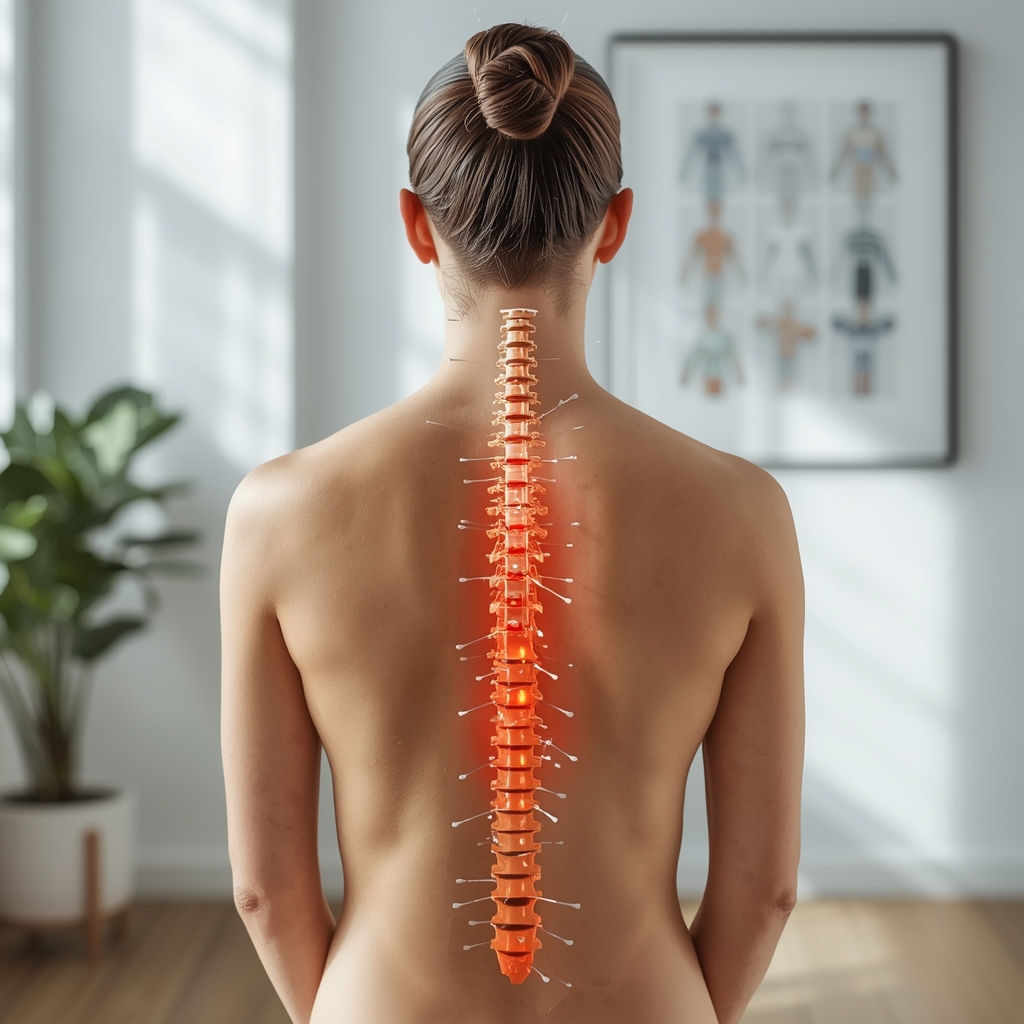
Understanding Myofascial Pain and Treatment Options
Myofascial pain arises from tight, hypersensitive knots in muscle tissue called trigger points, often causing localized or referred pain. Both dry needling and acupuncture are used to alleviate this discomfort, but they differ in philosophy, technique, and application. Dry needling, rooted in Western medical science, targets specific trigger points to release tension. Acupuncture, based on traditional Chinese medicine, stimulates energy pathways (meridians) to restore balance. While both involve inserting thin needles, their approaches reflect distinct cultural and scientific backgrounds. Understanding these differences helps patients and practitioners choose the most suitable method for individual needs.
Origins and Philosophical Foundations
Acupuncture dates back over 2,500 years to ancient China, where it was developed to regulate the flow of qi (vital energy) through meridians. Dry needling, in contrast, emerged in the 20th century within Western medicine, influenced by modern anatomy and physiology. Practitioners of acupuncture view pain as an imbalance in energy flow, while dry needling focuses on neuromuscular mechanisms, such as reducing muscle spasms and improving blood flow. These differing philosophies shape how each technique is applied, with acupuncture often addressing systemic patterns and dry needling targeting localized muscle issues.
Technique and Application Differences
Acupuncture involves inserting needles into specific points along meridians, often leaving them in place for 20–40 minutes. The depth and angle vary based on the point, with a focus on stimulating energy pathways. Dry needling, however, uses thinner, solid needles inserted directly into trigger points to elicit a local twitch response, releasing tension. This technique is typically quicker, with needles removed after a short duration. While both aim to relieve pain, dry needling emphasizes mechanical and physiological effects, whereas acupuncture incorporates broader energetic and holistic principles.
Targeting Myofascial Trigger Points
Both methods can address myofascial trigger points, but their mechanisms differ. Dry needling directly stimulates these knots to disrupt pain signals and promote healing. Acupuncture may indirectly affect trigger points by modulating nerve activity and reducing inflammation. Studies suggest both techniques can reduce pain and improve mobility, though research on their comparative efficacy remains limited. Patients often report immediate relief from dry needling, while acupuncture’s effects may accumulate over sessions. The choice between them depends on individual preferences and the practitioner’s expertise.
Safety, Training, and Regulation
Acupuncture is typically performed by licensed practitioners trained in traditional Chinese medicine, with standardized education and licensing. Dry needling is often practiced by physical therapists or chiropractors with specialized training, though regulations vary by region. Both techniques carry minimal risks when performed by qualified professionals, such as minor bruising or temporary soreness. However, improper technique can lead to complications, emphasizing the importance of seeking certified providers. Patients should inquire about a practitioner’s credentials and experience to ensure safe, effective care.
Integrating Techniques for Optimal Outcomes
Some practitioners combine dry needling and acupuncture to leverage their complementary benefits. For example, dry needling may address acute muscle tension, while acupuncture supports long-term energy balance. This integrative approach can enhance pain relief and functional recovery. However, the decision to combine methods should be made collaboratively with a healthcare provider, considering the patient’s condition and treatment goals. Open communication with a licensed chiropractor or acupuncturist ensures a personalized plan that aligns with individual needs and safety standards.














