
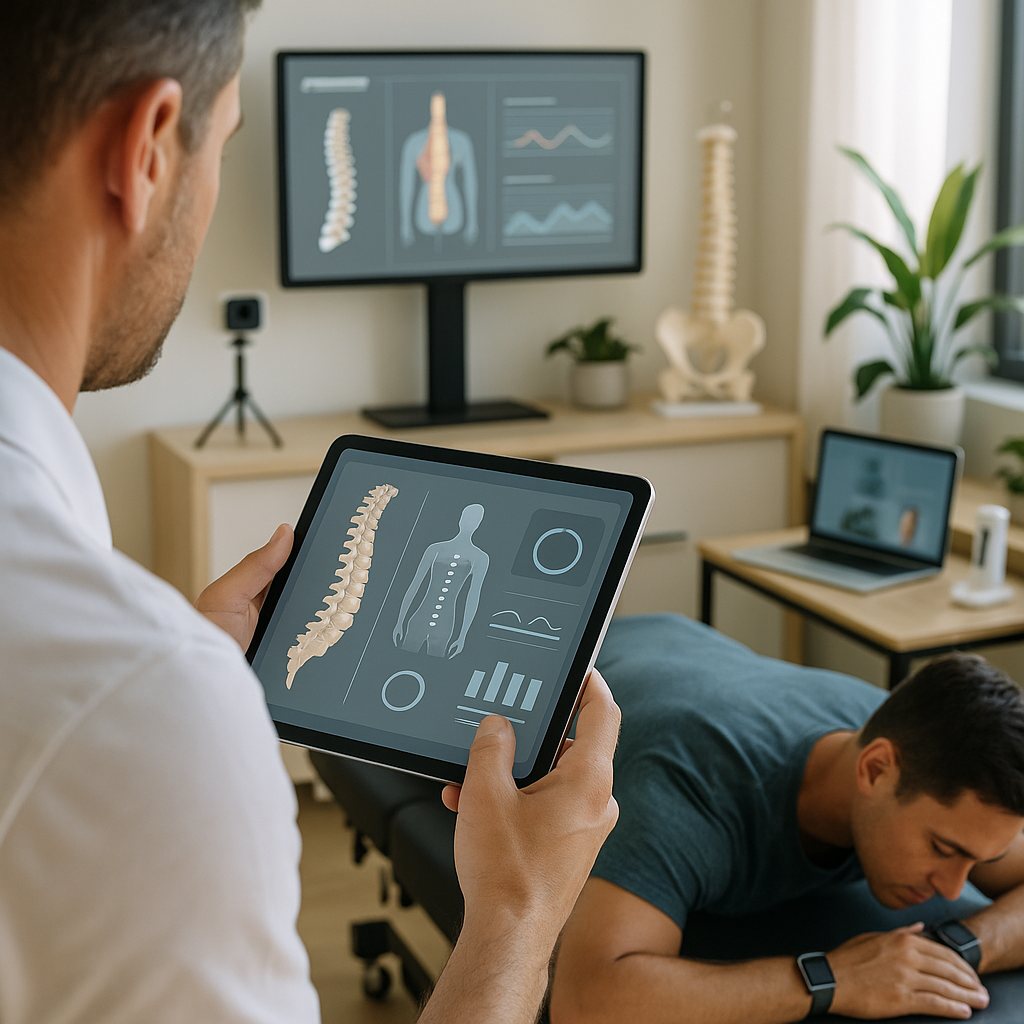
Introduction to Digital Health Tools in Chiropractic Practices
The chiropractic profession has undergone a remarkable transformation over the past decade, largely driven by the rapid adoption of digital health technologies. What was once a discipline heavily reliant on paper records, manual scheduling, and face-to-face consultations has evolved into a tech-forward field that embraces innovation at every level of patient care. Today, chiropractic digital tools are not merely conveniences — they are fundamental components of modern practice management, clinical decision-making, and patient engagement.
For chiropractors seeking to remain competitive, improve patient outcomes, and streamline administrative workflows, understanding and adopting the right health tech chiropractic solutions is no longer optional. It is a strategic necessity. This article explores the wide array of digital health tools currently being used in chiropractic practices, explaining what they are, how they function, and why they matter to both practitioners and patients.
Electronic Health Records (EHR) Systems
Among the most foundational of all chiropractic practice technology solutions is the Electronic Health Record (EHR) system. EHR platforms allow chiropractors to store, manage, and retrieve patient health information in a secure, digital format. Unlike traditional paper files, EHRs provide instant access to a patient’s complete medical history, treatment plans, progress notes, diagnostic results, and billing information — all within a single, integrated platform.
EHR systems specifically designed for chiropractic use often include features such as:
- SOAP note templates tailored for chiropractic documentation
- Body diagram tools for documenting areas of pain or dysfunction
- Customizable treatment plan creation and tracking
- Automated compliance reminders and regulatory updates
- Secure data sharing between healthcare providers
Popular EHR systems used in chiropractic practices include ChiroTouch, Jane App, and DrChrono. These platforms are built to comply with HIPAA regulations, ensuring that patient information is handled with the highest level of confidentiality and security.
Digital Patient Management Software
Effective digital patient management is at the heart of a well-functioning chiropractic practice. Patient management software goes beyond simply storing records — it coordinates the entire patient journey, from initial inquiry and appointment booking to follow-up care and billing. This technology reduces administrative burden, minimizes human error, and enhances the overall patient experience.
Key features of digital patient management platforms include:
- Online appointment scheduling: Patients can book, reschedule, or cancel appointments through a web-based portal or mobile app, reducing phone call volume and improving access.
- Automated appointment reminders: Text messages and email notifications help reduce no-show rates significantly.
- Patient intake forms: Digital intake forms can be completed prior to a visit, saving clinic time and improving data accuracy.
- Insurance verification tools: Automated systems check patient eligibility and coverage in real-time.
- Billing and payment processing: Integrated billing modules simplify the claims process and offer patients flexible payment options.
By centralizing these functions within one platform, chiropractic offices can operate more efficiently while delivering a seamless, professional experience to every patient who walks through the door.
Telehealth and Virtual Consultation Platforms
Telehealth has emerged as one of the most transformative components of modern health tech chiropractic adoption. While hands-on treatment remains central to chiropractic care, virtual consultation tools allow practitioners to extend their reach far beyond the physical clinic. Through video conferencing platforms, chiropractors can conduct initial consultations, discuss treatment progress, provide rehabilitation guidance, and answer patient questions — all without requiring an in-person visit.
The benefits of telehealth in chiropractic settings include:
- Increased accessibility for patients in rural or underserved areas
- Reduced travel time and associated barriers for patients with mobility challenges
- Improved continuity of care during illness outbreaks or adverse weather conditions
- Greater flexibility for follow-up consultations and lifestyle counseling
Platforms such as Zoom for Healthcare, Doxy.me, and Theralink are frequently used in chiropractic settings. Many of these tools integrate seamlessly with existing EHR and practice management systems, ensuring a fluid workflow for both staff and patients.
Digital Diagnostic and Assessment Tools
Accurate diagnosis is the cornerstone of effective chiropractic care, and digital diagnostic tools have significantly enhanced the precision and efficiency with which chiropractors assess their patients. These technologies provide objective data that supports clinical reasoning, improves communication with patients, and strengthens documentation for insurance purposes.
Some of the most widely used digital diagnostic tools in chiropractic practices include:
Surface Electromyography (sEMG)
Surface electromyography measures the electrical activity of muscles to identify areas of tension, weakness, or imbalance. This non-invasive technology provides chiropractors with quantifiable data about muscular function, which can be used to tailor treatment plans and track patient progress over time.
Digital Postural Analysis Software
Postural analysis software uses photographic imaging to assess spinal alignment and postural deviations. Chiropractors can capture images of patients from multiple angles, overlay measurement grids, and generate visual reports that clearly illustrate misalignments. This not only aids in clinical decision-making but also serves as a powerful patient education tool.
Range of Motion (ROM) Measurement Devices
Digital inclinometers and goniometers measure joint mobility with greater precision than traditional manual methods.
Additional Resources
- NIH overview of spinal manipulation
- American Chiropractic Association patient resources
- CDC/NIOSH ergonomics resources
- What is the chiropractic approach to breath work and spinal health?
- What are the chiropractic perspectives on wearable health technology?
- What is the chiropractic approach to gut health and the spine?













