
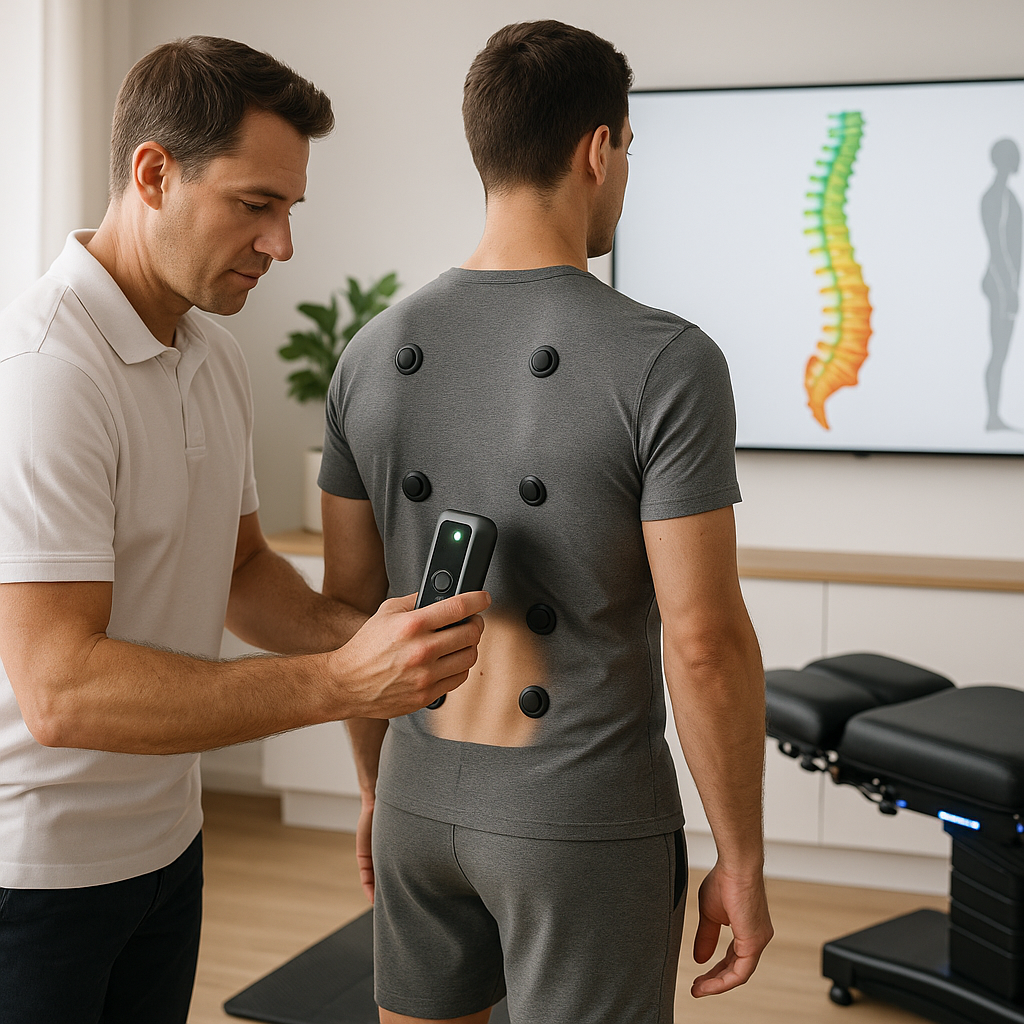
Introduction to Modern Chiropractic Technology
The field of chiropractic care has undergone a remarkable transformation over the past decade. Once associated almost exclusively with manual spinal adjustments, today’s chiropractic practice is increasingly shaped by cutting-edge tools, diagnostic systems, and therapeutic technologies. These chiropractic technology advances are not only improving the precision of treatments but also enhancing patient comfort, safety, and overall outcomes. Whether you are a practicing chiropractor or a patient seeking care, understanding these innovations can help you appreciate the depth of progress being made in this evolving healthcare discipline.
Advanced Diagnostic Imaging and Assessment Tools
One of the most significant areas of development in modern chiropractic innovations lies in diagnostic imaging and biomechanical assessment. Traditional X-rays remain a standard tool, but practitioners now have access to a far broader range of technologies that provide deeper insights into musculoskeletal health.
Digital X-Ray Technology
Digital radiography has largely replaced conventional film-based X-rays in modern chiropractic clinics. This technology offers higher image resolution, reduced radiation exposure, and the ability to instantly share and analyze images digitally. Chiropractors can zoom in on specific areas, adjust contrast, and even annotate images for better patient education and clinical decision-making.
3D Postural Analysis Systems
Computerized postural analysis systems now allow chiropractors to capture a detailed three-dimensional picture of a patient’s posture and spinal alignment. Using infrared sensors, high-definition cameras, and sophisticated software, these systems can detect even subtle imbalances that might go unnoticed during a standard visual examination. This level of precision means treatment plans can be customized with greater accuracy from the very first visit.
Surface Electromyography (sEMG)
Surface electromyography is another powerful diagnostic tool gaining traction in chiropractic settings. By measuring the electrical activity of muscles along the spine, sEMG helps practitioners identify areas of abnormal muscle tension, nerve interference, and functional imbalance. It provides objective, measurable data that can be used to track patient progress over time, making it an invaluable tool for both diagnosis and outcome monitoring.
Computerized and Instrument-Assisted Adjusting Devices
Among the most talked-about new chiropractic tools are computerized adjusting instruments that offer a more controlled and gentle alternative to traditional manual manipulation. These devices have expanded the range of patients who can benefit from chiropractic care, including the elderly, children, and those with conditions that make manual adjustments uncomfortable or inappropriate.
The Activator Method and Advanced Instruments
The Activator Adjusting Instrument has been in use for decades, but newer generations of this device are far more sophisticated. Modern versions feature computer-assisted feedback mechanisms that measure the force applied and adjust accordingly, ensuring consistent and reproducible results. Some of the latest models can detect slight variations in spinal mobility and automatically calibrate the impulse delivered to each vertebral segment.
Computer-Aided Spinal Analysis (CASA)
Computer-aided spinal analysis systems integrate sensor technology with AI-driven software to help chiropractors assess spinal mechanics in real time during the adjustment process. These systems provide instant feedback about joint mobility, tissue resistance, and treatment response, enabling practitioners to make more informed decisions on the spot.
Laser Therapy and Photobiomodulation
Low-level laser therapy (LLLT), also known as photobiomodulation, represents one of the most exciting chiropractic tech trends in recent years. This non-invasive treatment uses specific wavelengths of light to stimulate cellular repair, reduce inflammation, and accelerate healing in soft tissues and joints.
Class IV lasers, which deliver higher power outputs, have become particularly popular in chiropractic clinics for treating a wide range of conditions, including chronic back pain, disc herniations, joint inflammation, and sports injuries. Unlike traditional pain management approaches, laser therapy works at the cellular level, promoting natural healing without the need for medications or invasive procedures.
The integration of laser therapy into chiropractic practice reflects a broader shift toward combining multiple evidence-based modalities within a single treatment session, creating more comprehensive and effective care plans for patients.
Spinal Decompression Technology
Motorized spinal decompression tables represent another major advancement in chiropractic care. These sophisticated devices use computer-controlled traction to gently stretch the spine, creating negative intradiscal pressure that helps retract herniated or bulging discs and promotes the flow of nutrients into spinal discs.
Modern spinal decompression systems can be precisely programmed to deliver varying degrees of traction at specific angles, tailoring the treatment to the individual needs of each patient. Real-time biofeedback ensures that the device responds appropriately if a patient’s muscles begin to tense up, adjusting the force automatically to maintain comfort and safety throughout the session.
This technology has proven particularly beneficial for patients suffering from degenerative disc disease, sciatica, and chronic lower back pain who have not responded adequately to conventional treatments.
Shockwave Therapy in Chiropractic Practice
Extracorporeal shockwave therapy (ESWT) is increasingly being adopted by chiropractors as a complementary treatment for musculoskeletal conditions. Originally developed for breaking up kidney stones, shockwave therapy has been refined and adapted for the treatment of conditions such as plantar fasciitis, tendinopathies, calcific shoulder tendinitis, and myofascial pain syndrome.
The technology delivers high-energy acoustic waves to targeted areas of the body, triggering a controlled inflammatory response that stimulates the body’s natural healing mechanisms. Modern shockwave devices used in chiropractic settings offer precise frequency and intensity controls, allowing practitioners to customize treatment parameters for each specific condition and patient sensitivity.














