
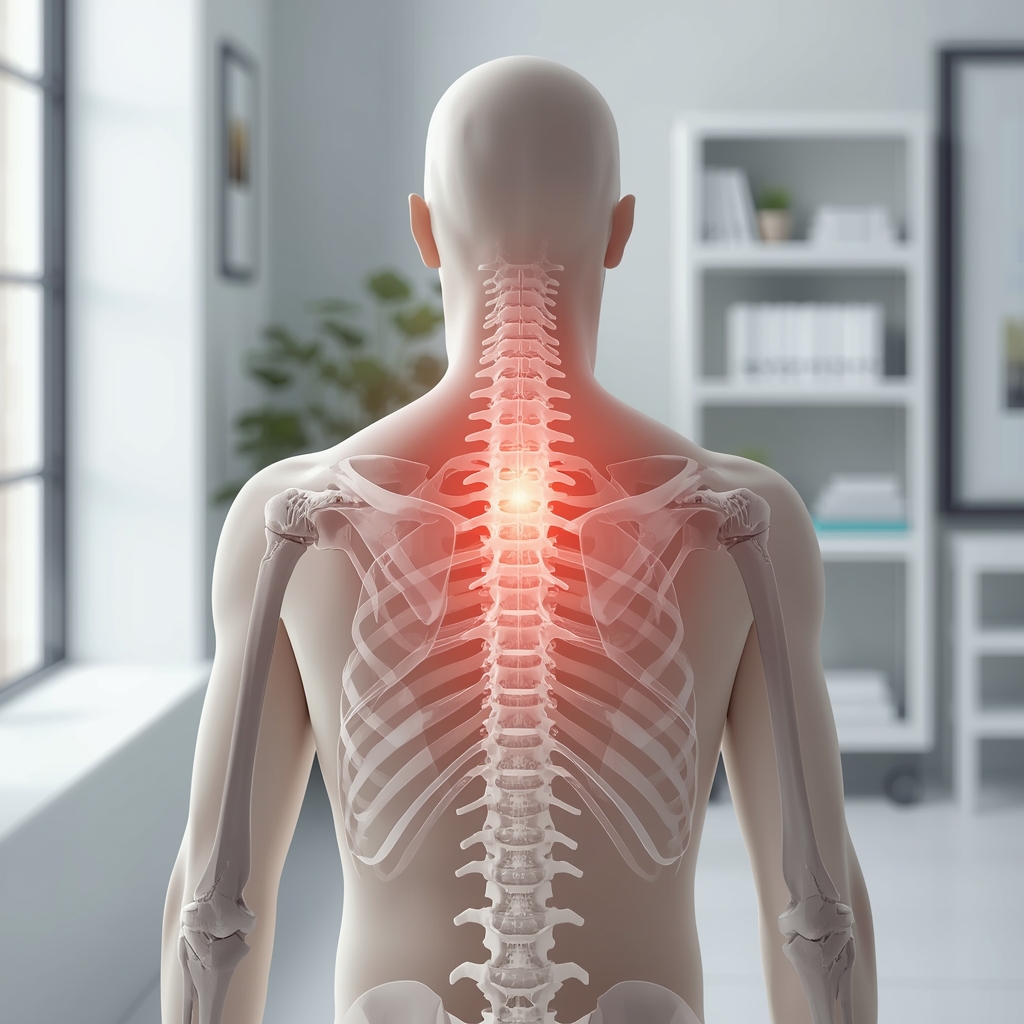
Anatomy of the Thoracic Outlet
The thoracic outlet is a narrow passageway between the base of the neck and the armpit, bounded by the first rib, clavicle, and scalene muscles. This region houses critical structures, including the brachial plexus (a network of nerves) and the subclavian artery and vein. Compression of these structures can lead to thoracic outlet syndrome (TOS), causing symptoms like arm pain, numbness, or weakness. Chiropractors must emphasize the interplay between spinal alignment and this anatomical space. For instance, a forward head posture or excessive thoracic kyphosis can narrow the thoracic outlet, increasing pressure on nerves and blood vessels. Educating patients on how their posture and spinal mechanics influence this area is foundational to managing TOS effectively.
Cervical Spine Influence
The cervical spine (C5-C8) plays a pivotal role in TOS, as it directly relates to the brachial plexus. Misalignments or restricted motion in these vertebrae can alter nerve pathways, contributing to symptoms. For example, a misaligned C7 vertebra might irritate surrounding nerves, exacerbating TOS. Chiropractors should explain how cervical spine health impacts the entire upper body, including the thoracic outlet. Patients often overlook the connection between neck mechanics and arm symptoms, making it crucial to highlight this relationship. By addressing cervical spine mobility and alignment, chiropractors can help reduce nerve compression and improve overall function in TOS cases.
Thoracic Spine and Rib Cage Dynamics
The thoracic spine and rib cage form the posterior boundary of the thoracic outlet. Excessive curvature (kyphosis) or restricted movement in this region can compress the brachial plexus and subclavian vessels. Chiropractors must assess thoracic spine mobility and rib positioning when evaluating TOS patients. A stiff thoracic spine may limit shoulder movement, indirectly affecting the thoracic outlet. Techniques like thoracic spine adjustments or soft tissue work on the intercostal muscles can restore balance. Patients should understand that even minor changes in thoracic mechanics can significantly impact nerve and vascular function, underscoring the importance of a holistic approach to spinal care in TOS management.
Muscle Groups and Soft Tissue Considerations
Key muscle groups, such as the scalene muscles, pectoralis minor, and levator scapulae, surround the thoracic outlet and can contribute to compression. Tightness or hypertonicity in these muscles often narrows the space, aggravating TOS symptoms. Chiropractors should educate patients on how muscle tension affects the thoracic outlet, emphasizing the role of soft tissue therapy. For example, overactive scalene muscles can pinch the brachial plexus, while a tight pectoralis minor may pull the shoulder forward, reducing outlet space. Addressing these muscles through stretching, myofascial release, or trigger point therapy can alleviate symptoms. Patients should be encouraged to maintain flexibility in these areas to support long-term relief.
Nerve and Vascular Pathways in TOS
The brachial plexus and subclavian vessels traverse the thoracic outlet, making them vulnerable to compression. Nerve-related TOS (neurogenic) often presents with numbness or tingling, while vascular TOS may cause swelling or discoloration. Chiropractors must explain how spinal mechanics influence these pathways, such as how a rotated rib or cervical spine misalignment can distort nerve signals. Patients should understand that symptoms vary depending on which structures are affected. By highlighting the complexity of these pathways, chiropractors can help patients appreciate the need for precise, individualized care. This knowledge also empowers patients to recognize when to seek further evaluation for severe or persistent symptoms.
Clinical Implications for Chiropractic Adjustments
Chiropractic care for TOS focuses on restoring optimal spinal mechanics to relieve compression. Adjustments to the cervical and thoracic spine, combined with soft tissue techniques, can improve nerve function and blood flow. However, these interventions should be tailored to each patient’s unique anatomy. For example, a patient with a forward-head posture may require cervical spine realignment, while someone with rib dysfunction might benefit from thoracic mobilization. Chiropractors must communicate that results vary and that a comprehensive approach is often necessary. Patients should be advised to discuss their specific concerns with their provider to determine the most effective strategies for their condition.












