
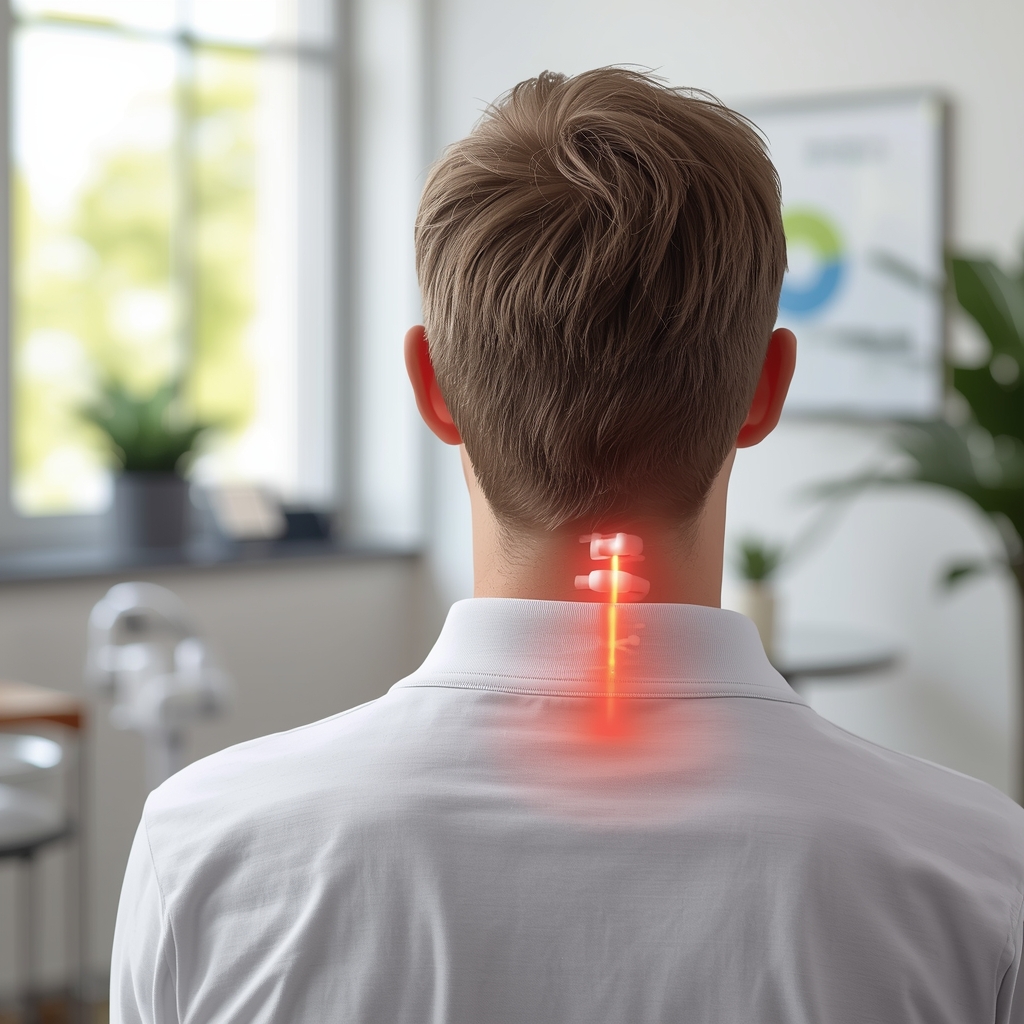
Understanding Cervical Herniated Discs and Non-Surgical Options
Cervical herniated discs occur when the soft inner material of a spinal disc protrudes through its outer layer, potentially irritating nearby nerves. This can cause pain, numbness, or weakness in the neck, shoulders, or arms. While surgery is an option for severe cases, many patients seek non-surgical approaches first. Chiropractic care and physical therapy are two common strategies. Chiropractors focus on spinal alignment and nerve function, while physical therapists emphasize strengthening and movement. Both aim to reduce symptoms and improve function, but their methods and philosophies differ. Understanding these protocols helps patients make informed decisions about their care.
Common Chiropractic Protocols for Cervical Herniated Discs
Non-surgical chiropractic care for cervical herniated discs often includes spinal manipulation, decompression therapy, and soft tissue techniques. Spinal adjustments aim to restore proper alignment, reducing pressure on nerves. Cervical decompression therapy uses gentle traction to create space between vertebrae, potentially alleviating disc pressure. Soft tissue methods like Active Release Technique (ART) address muscle tension and adhesions contributing to pain. These approaches are typically part of a personalized plan, with frequency and duration varying based on individual needs. Chiropractors may also recommend lifestyle modifications, such as posture adjustments or ergonomic changes, to support recovery.
Physical Therapy Approaches for Cervical Herniated Discs
Physical therapy focuses on strengthening the muscles supporting the cervical spine, improving flexibility, and enhancing posture. Therapists design exercises to stabilize the neck and reduce strain on affected discs. Modalities like heat, ice, or electrical stimulation may also be used to manage pain and inflammation. Manual therapy, such as joint mobilization, can complement these efforts. Patients often learn specific stretches and strengthening routines to perform at home. The goal is to restore function and prevent future issues. Physical therapy is typically structured over several weeks, with progress monitored and adjustments made as needed.
Comparing Chiropractic Care and Physical Therapy
Both chiropractic care and physical therapy can effectively manage cervical herniated discs, but they prioritize different aspects of treatment. Chiropractic care emphasizes spinal alignment and nerve function, while physical therapy focuses on musculoskeletal strength and mobility. Studies suggest that combining both approaches may yield better outcomes than either alone. However, individual responses vary, and factors like symptom severity, patient preferences, and underlying health conditions influence the best path. Chiropractors may refer patients to physical therapists for targeted exercises, and vice versa. Open communication between providers ensures a cohesive treatment plan tailored to the patient’s needs.
When to Choose Chiropractic Care or Physical Therapy
The decision between chiropractic care and physical therapy depends on the patient’s specific symptoms and goals. Chiropractic adjustments may provide quicker relief for nerve-related pain, while physical therapy builds long-term strength and stability. Patients with acute pain might benefit from chiropractic interventions, whereas those needing gradual rehabilitation may prefer physical therapy. Some opt for a combined approach, leveraging the strengths of both disciplines. It’s crucial to consult a qualified provider to assess the condition and recommend the most appropriate strategies. Regular follow-ups help track progress and make necessary adjustments to the treatment plan.
Conclusion: Integrating Non-Surgical Options for Cervical Disc Health
Non-surgical chiropractic protocols and physical therapy offer valuable tools for managing cervical herniated discs. Chiropractic care addresses spinal alignment and nerve function, while physical therapy strengthens and stabilizes the musculoskeletal system. Both approaches have evidence supporting their effectiveness, though individual results may vary. Patients should work closely with healthcare providers to determine the best combination of treatments. Open dialogue with chiropractors and physical therapists ensures a personalized plan that aligns with the patient’s goals and lifestyle. Prioritizing non-surgical options can often lead to improved outcomes and reduced reliance on more invasive interventions.














