
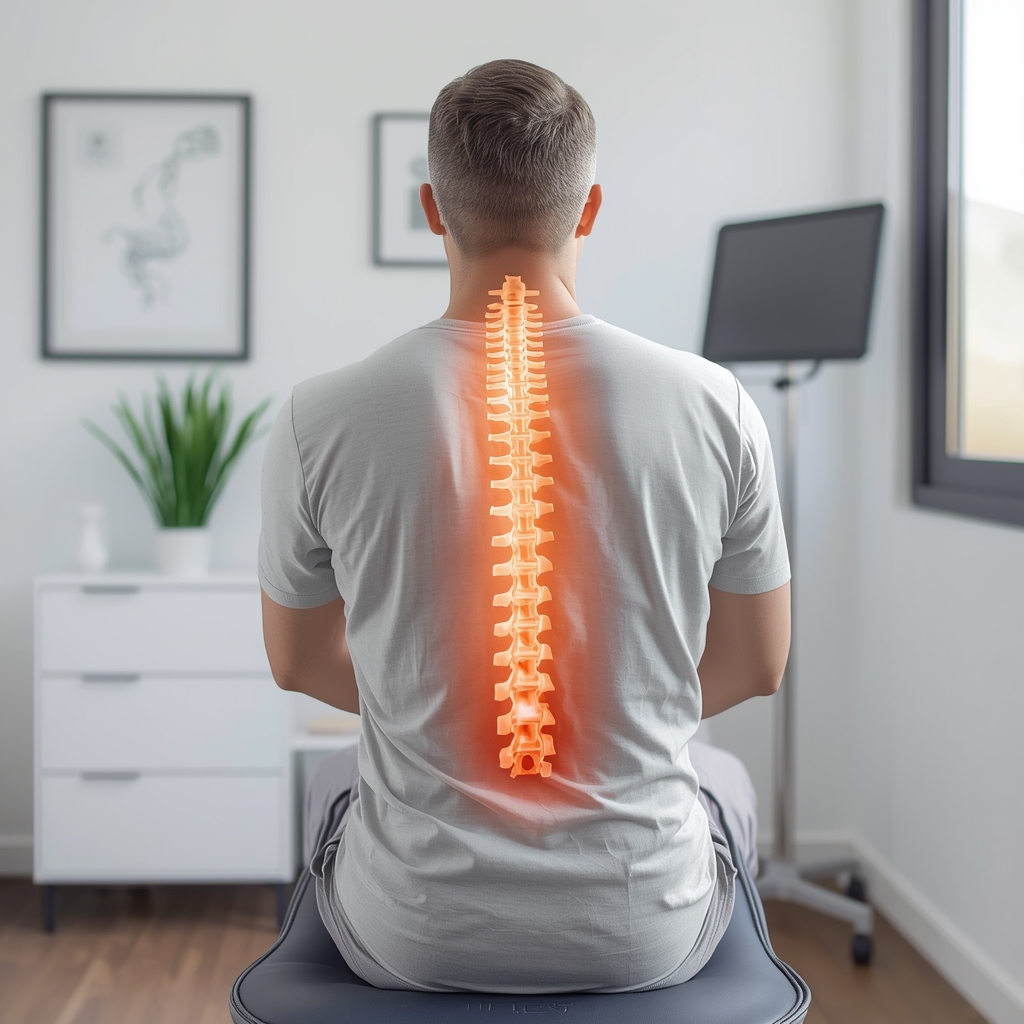
Understanding Non-Surgical Options for Severe Herniated Discs
For patients with severe herniated discs, non-surgical chiropractic care focuses on reducing pressure on nerves and improving spinal function without invasive procedures. Techniques like spinal decompression and soft tissue therapy aim to alleviate pain and promote healing. These approaches are often part of a broader treatment plan that prioritizes patient safety and gradual recovery. While results vary, many individuals find relief through conservative methods. It’s important to consult a qualified chiropractor to determine the most suitable strategies for your specific condition.
Spinal Decompression Therapy
Spinal decompression therapy is a non-surgical technique that uses controlled traction to gently separate vertebrae, creating space for herniated discs to reposition. This method can reduce nerve compression and alleviate associated pain. Studies suggest it may be effective for certain disc-related issues, though outcomes depend on the severity and individual response. Chiropractors often combine decompression with other therapies to enhance results. Patients typically undergo multiple sessions over several weeks. Always discuss this option with a healthcare provider to ensure it aligns with your medical needs.
Soft Tissue Therapy and Myofascial Release
Soft tissue therapy targets muscles, ligaments, and fascia to relieve tension that may exacerbate disc-related pain. Techniques like myofascial release and trigger point therapy can reduce muscle spasms and improve mobility. By addressing surrounding soft tissues, chiropractors help decrease pressure on the spine and promote natural healing. This approach is often used alongside spinal adjustments to maximize benefits. While generally safe, it’s crucial to work with a licensed professional to avoid overstimulation of sensitive areas. Patients may experience temporary soreness but often report improved comfort over time.
Posture Correction and Ergonomic Adjustments
Improper posture can worsen herniated disc symptoms by placing additional stress on the spine. Chiropractors may recommend posture correction exercises and ergonomic modifications to reduce strain. Simple changes, such as adjusting desk setups or sleeping positions, can significantly impact recovery. Strengthening core muscles through targeted exercises also supports spinal stability. These strategies complement other treatments by addressing underlying factors contributing to disc pressure. A chiropractor can provide personalized guidance to help patients maintain optimal alignment in daily activities.
Adjunctive Therapies for Enhanced Relief
Chiropractors often integrate adjunctive therapies like heat/cold application, electrical stimulation, or ultrasound to manage pain and inflammation. These modalities can enhance the effectiveness of manual treatments by relaxing muscles and improving blood flow. For example, cold therapy may reduce acute inflammation, while heat therapy promotes tissue repair. Patients should discuss these options with their provider to ensure they are used appropriately. While these therapies are generally safe, they are most effective when combined with a comprehensive care plan tailored to individual needs.
When to Seek Professional Guidance
If herniated disc symptoms persist or worsen, it’s essential to consult a chiropractor or medical physician. While non-surgical methods can be effective, they may not suit all cases. A healthcare provider can evaluate the condition’s severity and recommend the best course of action. Patients should also report any new symptoms, such as numbness or weakness, which may indicate the need for further intervention. Regular follow-ups ensure treatments remain aligned with recovery goals. Remember, chiropractic care is a collaborative process requiring open communication between patients and providers.














