
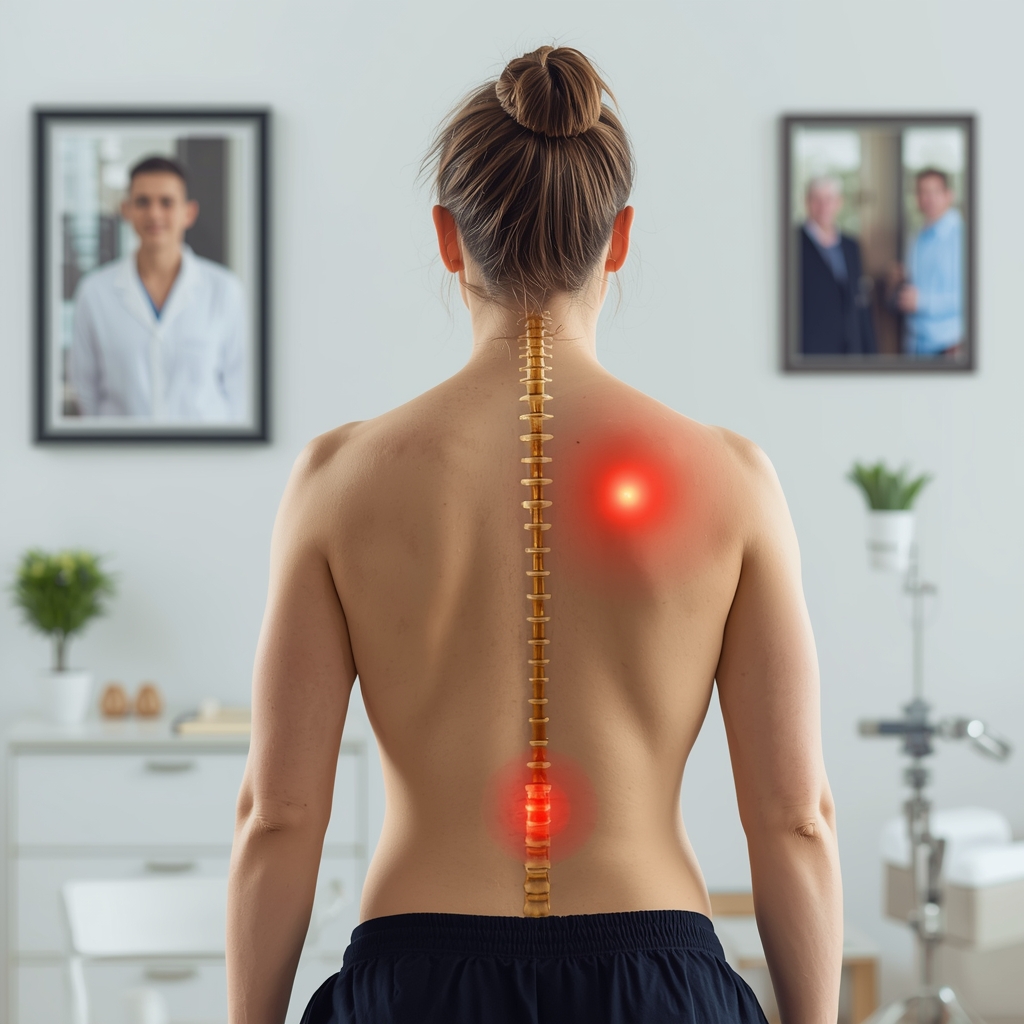
Introduction to Instrument-Assisted Soft Tissue Mobilization (IASTM)
Instrument-Assisted Soft Tissue Mobilization (IASTM) is a technique used by chiropractors to address soft tissue injuries, including those affecting the rotator cuff. This method involves using specialized tools, such as the Graston Technique instruments, to detect and treat areas of restricted movement or scar tissue. By applying controlled pressure and friction to the affected muscles and tendons, IASTM aims to break down adhesions, improve circulation, and restore normal function. For rotator cuff injuries, which often involve inflammation or microtears in the shoulder’s stabilizing muscles, IASTM provides a non-invasive approach to promote healing. Chiropractors demonstrate this technique by first assessing the patient’s condition, identifying areas of tension, and then using the instruments to target specific soft tissue structures. This process is often combined with movement patterns to enhance effectiveness. IASTM is particularly useful for patients seeking alternatives to surgery or prolonged medication use, offering a hands-on, patient-centered solution.
Demonstrating IASTM Techniques for Rotator Cuff Injuries
During a demonstration, chiropractors begin by positioning the patient to access the shoulder and upper back regions. They use tools like stainless steel or plastic instruments with textured edges to glide over the skin, applying varying pressure to detect adhesions or tightness. For rotator cuff injuries, the focus is on the supraspinatus, infraspinatus, and subscapularis muscles, as well as the surrounding connective tissues. The chiropractor may use a sweeping or cross-fiber motion to break up scar tissue while monitoring the patient’s response. This technique is often paired with active patient movements, such as shoulder rotations or arm raises, to ensure the treatment aligns with functional goals. The demonstration emphasizes the importance of communication between provider and patient, as discomfort levels guide adjustments in pressure and technique. Chiropractors also explain the purpose of each step, helping patients understand how IASTM supports tissue remodeling and pain reduction. By showcasing the precision and adaptability of IASTM, providers build trust and clarify expectations for the treatment process.
Key Areas Targeted in the Rotator Cuff
The rotator cuff consists of four muscles—the supraspinatus, infraspinatus, teres minor, and subscapularis—that stabilize the shoulder joint. IASTM focuses on these muscles and their associated tendons, which are prone to overuse, strain, or degeneration. Chiropractors identify areas of restricted mobility by palpating the shoulder and assessing range of motion. For example, the supraspinatus, responsible for arm abduction, may show tightness after repetitive overhead activities. The infraspinatus and teres minor, involved in external rotation, often benefit from IASTM to alleviate tension from poor posture or sports injuries. The subscapularis, which aids in internal rotation, may require targeted work if a patient experiences pain during activities like reaching behind the back. By addressing these specific regions, IASTM helps restore balance and function. Chiropractors also consider surrounding structures, such as the biceps tendon or subacromial space, to ensure a comprehensive approach. This targeted application ensures that treatment aligns with the patient’s unique injury pattern and recovery goals.
Patient Preparation and Safety Measures
Before initiating IASTM, chiropractors prioritize patient safety by conducting a thorough assessment. This includes reviewing the patient’s medical history, identifying contraindications (such as acute inflammation or skin conditions), and discussing expectations. The patient is positioned comfortably, often lying on their side or back, to allow access to the shoulder and upper back. Chiropractors explain the procedure, emphasizing that mild discomfort is normal but should not be severe. They may apply a lubricant to the skin to facilitate smooth instrument movement and reduce friction. Throughout the session, the provider monitors the patient’s feedback, adjusting pressure or technique as needed. For rotator cuff injuries, this includes avoiding excessive force over bony prominences or inflamed areas. Safety also involves educating patients on post-treatment care, such as applying ice or performing gentle stretches. By fostering open communication and adhering to established protocols, chiropractors create a safe environment for IASTM, minimizing risks while maximizing therapeutic benefits.
Monitoring Patient Outcomes After IASTM
Chiropractors track several outcomes to evaluate the effectiveness of IASTM for rotator cuff injuries. Pain levels are assessed using standardized scales, such as the Visual Analog Scale (VAS), to measure changes over time. Range of motion is evaluated through specific tests, like measuring shoulder abduction or external rotation, to determine functional improvements. Strength assessments, including resisted shoulder movements, help gauge muscle recovery. Patients may also report subjective improvements in daily activities, such as reduced pain during lifting or sleeping. Regular follow-ups allow chiropractors to adjust treatment plans based on progress. If no significant changes occur after several sessions, alternative approaches may be considered. Monitoring outcomes ensures that IASTM remains a viable option while addressing any limitations. This data-driven approach supports informed decision-making and reinforces the value of IASTM as part of a broader rehabilitation strategy. By focusing on measurable results, chiropractors can demonstrate the technique’s efficacy and tailor care to individual needs.
Collaboration with Other Therapies for Comprehensive Care
IASTM is often most effective when integrated with other chiropractic and therapeutic interventions. Chiropractors may combine IASTM with spinal adjustments to address postural imbalances that contribute to rotator cuff strain. Physical therapy exercises, such as rotator cuff strengthening or stretching routines, complement IASTM by reinforcing tissue resilience. Patients might also benefit from modalities like ultrasound or electrical stimulation to reduce inflammation. Education on ergonomics and activity modification plays a critical role in preventing re-injury. For athletes, sport-specific training programs can enhance functional recovery. Chiropractors emphasize the importance of a multidisciplinary approach, ensuring patients understand how each component supports their overall healing. By coordinating care with other professionals, chiropractors provide a holistic solution that addresses both immediate symptoms and long-term musculoskeletal health. This collaborative strategy maximizes outcomes and empowers patients to take an active role in their recovery.











