
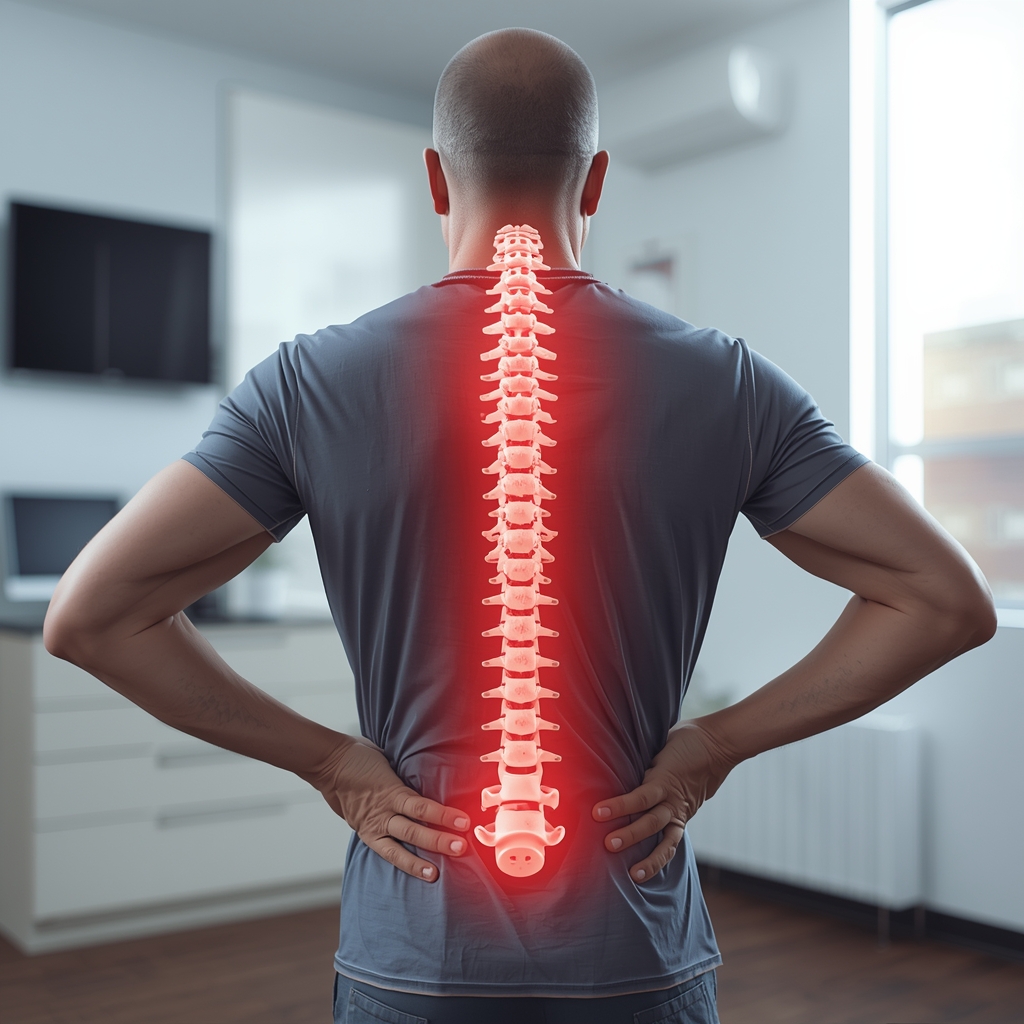
Understanding Degenerative Disc Disease and Non-Surgical Goals
Degenerative disc disease (DDD) in the lumbar spine involves the gradual breakdown of intervertebral discs, often leading to pain, reduced mobility, and nerve compression. While surgical options exist, many patients seek non-surgical approaches to manage symptoms and improve quality of life. Non-surgical chiropractic care focuses on alleviating pressure on discs, enhancing spinal stability, and promoting natural healing. Goals include reducing inflammation, restoring function, and delaying disease progression. These methods are typically part of a broader treatment plan that may include lifestyle adjustments, physical therapy, and pain management strategies. It’s important to note that while chiropractic care can provide relief, it should be tailored to individual needs and guided by a qualified professional.
Spinal Adjustments and Manual Manipulation
Spinal adjustments, a cornerstone of chiropractic care, involve precise, controlled forces applied to the spine to correct misalignments (subluxations) and improve joint mobility. For lumbar DDD, these adjustments aim to reduce pressure on affected discs and nerves, potentially easing pain and restoring function. By realigning the spine, chiropractors may help distribute weight more evenly across discs, minimizing further degeneration. Techniques like diversified adjustments or activator methods are commonly used. While research on their direct impact on DDD is limited, many patients report symptom relief. However, adjustments should be performed by licensed professionals to avoid complications. This approach is often combined with other therapies for optimal results.
Decompression Therapy for Disc Pressure Relief
Spinal decompression therapy uses mechanical traction to gently stretch the spine, creating negative pressure within discs. This may help rehydrate discs, reduce herniation, and alleviate nerve compression associated with lumbar DDD. The therapy is often administered via a specialized table that cycles through tension and relaxation phases. While some studies suggest it can reduce pain and improve mobility, evidence remains mixed. Patients typically undergo multiple sessions over several weeks. Decompression is generally safe but may not suit everyone, particularly those with severe osteoporosis or spinal instability. It’s often used alongside other non-surgical methods, emphasizing a holistic approach to symptom management.
Soft Tissue Therapies and Muscle Relaxation
Soft tissue therapies, such as myofascial release and trigger point therapy, target tight or painful muscles surrounding the lumbar spine. These techniques can reduce muscle spasms, improve blood flow, and decrease pressure on discs. By addressing muscular imbalances, chiropractors help stabilize the spine and reduce strain on degenerated discs. Methods like massage, instrument-assisted soft tissue mobilization (IASTM), or dry needling may be employed. While not a direct treatment for disc degeneration, these therapies can enhance overall comfort and mobility. They are often integrated with spinal adjustments and exercises to create a comprehensive care plan. Patients should discuss any existing conditions with their provider before undergoing these treatments.
Exercise and Strengthening Programs
Customized exercise programs are vital for managing lumbar DDD, focusing on core strength, flexibility, and posture. Chiropractors may recommend low-impact activities like swimming, walking, or yoga to improve spinal stability without exacerbating symptoms. Strengthening the abdominal and back muscles can reduce disc pressure and support the spine. Specific stretches, such as hamstring or hip flexor mobilizations, may also ease tension. Patients are encouraged to adhere to a consistent routine, often under professional guidance to avoid injury. While exercise alone may not reverse DDD, it can significantly enhance function and reduce reliance on pain medications. Combining physical activity with other non-surgical approaches often yields the best outcomes.
Lifestyle Modifications and Ergonomic Adjustments
Lifestyle changes play a critical role in managing lumbar DDD. Maintaining a healthy weight reduces spinal load, while quitting smoking improves disc nutrition. Ergonomic adjustments, such as using proper lifting techniques or ergonomic chairs, minimize strain on the lower back. Chiropractors may also advise on sleep positions and mattress choices to support spinal alignment. Stress management techniques, like mindfulness or breathing exercises, can indirectly benefit recovery by reducing muscle tension. These modifications are often part of a long-term strategy to slow disease progression. Patients should work closely with their chiropractor to develop a personalized plan that aligns with their daily activities and goals.














