
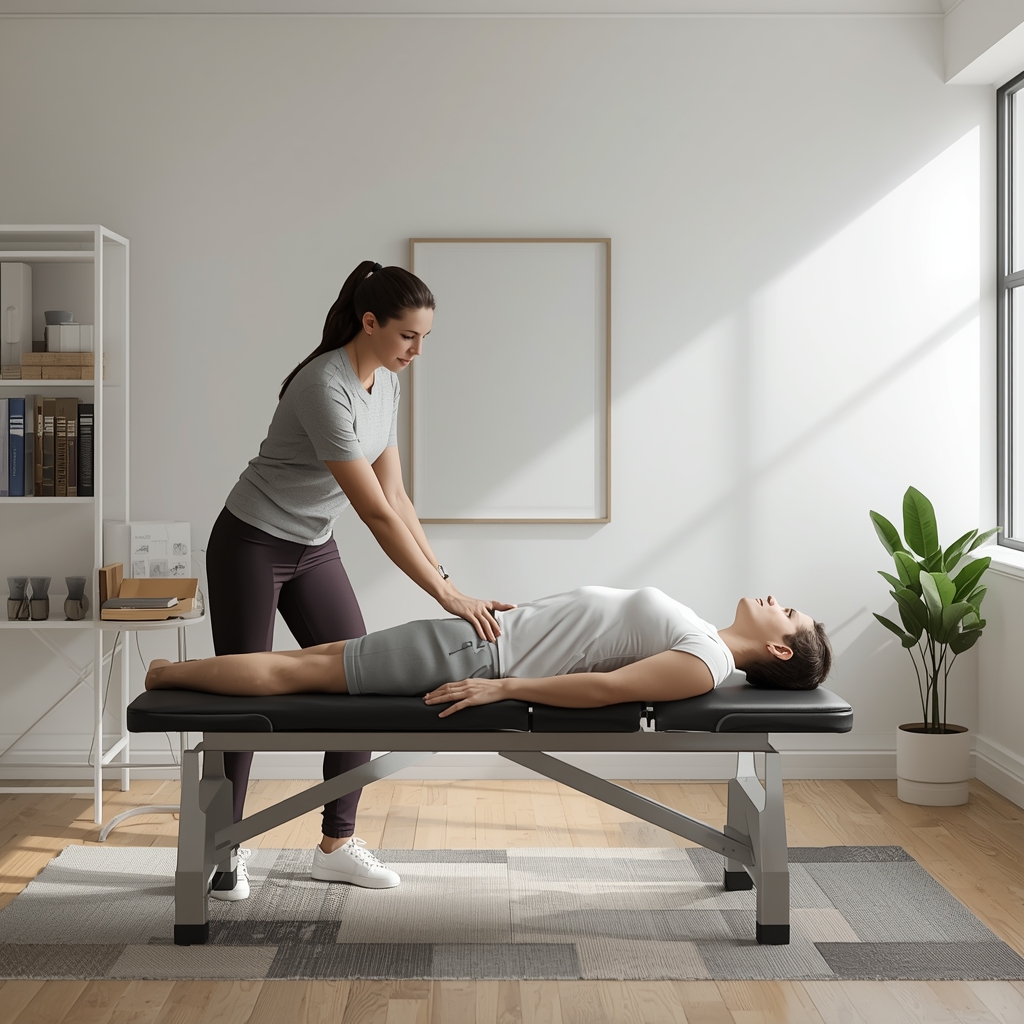
How Does the Graston Technique Enhance Recovery Times for Athletes With Chronic ITBS, and What Adjustments Support This?
### Understanding Iliotibial Band Syndrome (ITBS) and the Graston Technique
Iliotibial Band Syndrome (ITBS) is a common overuse injury among athletes, characterized by inflammation and tightness along the iliotibial band, a thick band of tissue running from the hip to the knee. Chronic ITBS can limit mobility and hinder performance. The Graston Technique, an instrument-assisted soft tissue mobilization method, is used to break down scar tissue and adhesions, promoting healing. By targeting restricted areas, it enhances blood flow and reduces inflammation, making it a valuable tool for athletes seeking relief. This technique is often part of a broader treatment plan to restore function and prevent recurrence.
### How the Graston Technique Promotes Healing
The Graston Technique employs specialized tools to detect and treat areas of soft tissue restriction. For ITBS, these tools help identify and release adhesions in the iliotibial band, improving flexibility and reducing pain. By breaking down scar tissue, the technique encourages the body’s natural healing processes. This approach can accelerate recovery by restoring normal movement patterns and reducing strain on the affected area. Athletes often experience improved range of motion and decreased discomfort after sessions. While results vary, many find that combining Graston with other therapies enhances outcomes. It is important to note that this technique should be administered by a trained professional to ensure safety and effectiveness.
### Complementary Chiropractic Adjustments for ITBS
Chiropractic adjustments can complement the Graston Technique by addressing misalignments that contribute to ITBS. Pelvic and lumbar spine adjustments help restore proper biomechanics, reducing stress on the iliotibial band. These adjustments also improve nerve function, which may alleviate pain and enhance recovery. For athletes, maintaining spinal alignment is crucial for overall performance and injury prevention. When combined with Graston, adjustments can create a synergistic effect, optimizing the body’s ability to heal. However, treatment plans should be tailored to individual needs, emphasizing collaboration between the athlete and their healthcare provider.
### Recovery Timelines with Graston and Adjustments
Recovery timelines for chronic ITBS vary depending on the severity and consistency of treatment. Athletes often notice gradual improvement within 2–6 weeks of regular Graston sessions and chiropractic care. Early intervention is key to preventing long-term complications. Consistent therapy helps retrain soft tissues and reinforce proper movement patterns. While some may experience immediate relief, others may require ongoing sessions to achieve lasting results. Patience and adherence to the treatment plan are essential. Athletes should work closely with their providers to monitor progress and adjust strategies as needed, ensuring a safe return to activity.
### Supporting Therapies for Enhanced Recovery
In addition to the Graston Technique and adjustments, athletes can benefit from supportive therapies like stretching, strength training, and ice therapy. Dynamic stretching improves flexibility, while strengthening exercises target the hip abductors and core muscles, reducing ITBS risk. Ice therapy helps manage inflammation, and foam rolling can maintain tissue mobility. These practices, when integrated with professional care, create a holistic approach to recovery. Athletes should also prioritize rest and proper footwear to avoid re-injury. A multidisciplinary strategy ensures comprehensive support for long-term healing and performance.
### Conclusion: A Holistic Approach to ITBS Recovery
The Graston Technique offers a targeted approach to addressing chronic ITBS by reducing scar tissue and improving mobility. When paired with chiropractic adjustments and supportive therapies, it can significantly enhance recovery outcomes. Athletes should view this as part of a broader plan that includes personalized care and lifestyle modifications. While results vary, many find that consistent treatment leads to improved function and reduced pain. As with any medical intervention, consulting a qualified provider is essential to determine the best course of action. By combining evidence-based techniques with patient-specific strategies, athletes can achieve lasting relief and return to their activities with confidence.













