
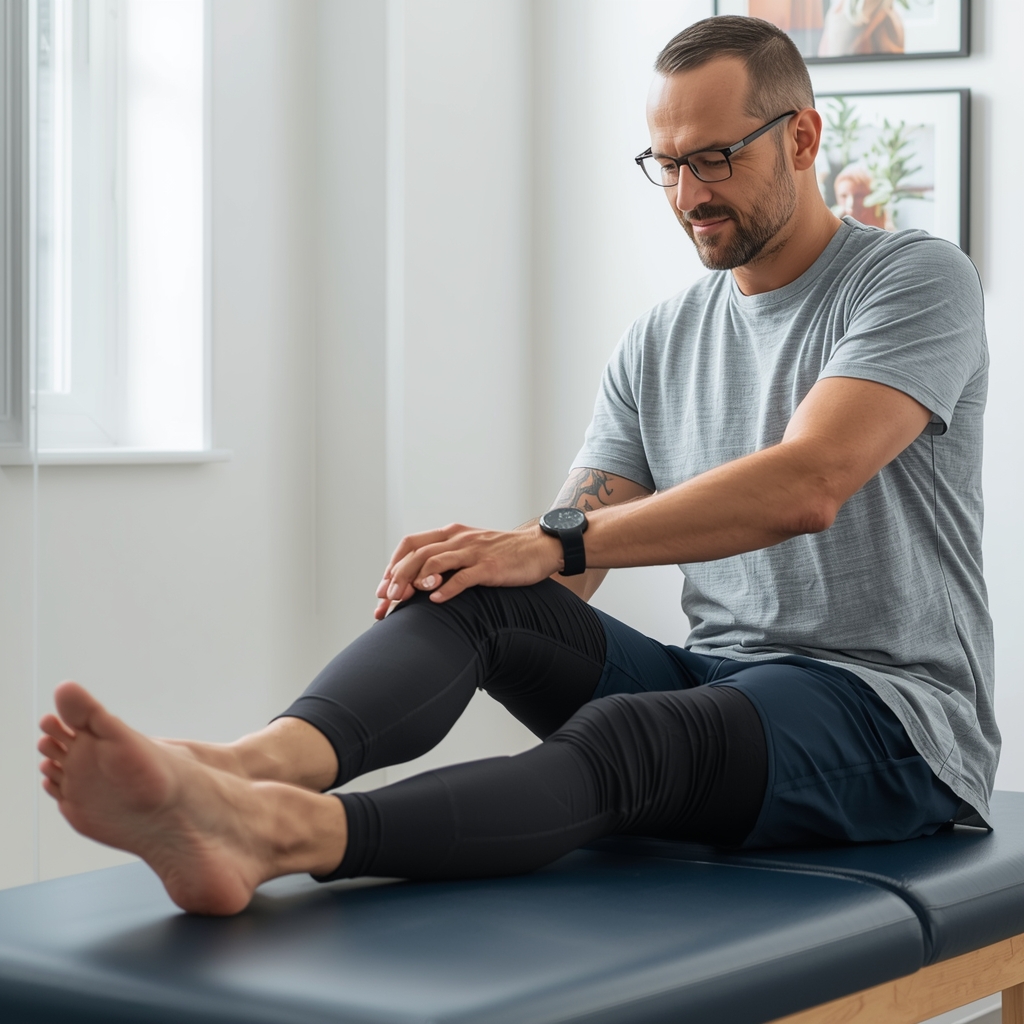
Understanding Chronic Plantar Fasciitis in Athletes
Chronic plantar fasciitis is a common overuse injury among athletes, characterized by persistent heel pain due to inflammation of the thick band of tissue connecting the heel bone to the toes. Repetitive strain from activities like running or jumping can lead to microtears in the fascia, causing discomfort that lingers despite rest. Athletes often face prolonged recovery periods, as traditional treatments like stretching and ice may not fully address the underlying tissue restrictions. This condition not only hinders performance but also increases the risk of compensatory injuries in other body areas. Understanding the interplay between soft tissue health and musculoskeletal alignment is critical for effective management, setting the stage for complementary therapies like the Graston Technique and chiropractic adjustments.
The Graston Technique Explained
The Graston Technique is a form of instrument-assisted soft tissue mobilization that uses specialized tools to detect and treat adhesions, scar tissue, and muscle restrictions. By applying controlled pressure to affected areas, practitioners can break down fibrotic tissue, improve circulation, and restore normal movement patterns. For plantar fasciitis, this approach targets the plantar fascia and surrounding muscles, reducing tension and promoting healing. The technique is often used alongside other therapies to enhance recovery, as it addresses structural imbalances that may contribute to chronic pain. Its non-invasive nature makes it a popular choice for athletes seeking to minimize downtime while maintaining training regimens. However, results vary, and it is typically part of a broader treatment plan under professional guidance.
How Chiropractic Adjustments Support Recovery
Chiropractic adjustments focus on restoring proper alignment to the spine and joints, which can alleviate nerve interference and improve musculoskeletal function. For athletes with plantar fasciitis, misalignments in the feet, ankles, or lower back may contribute to uneven stress on the plantar fascia. By correcting these imbalances, adjustments can reduce pain and enhance the body’s natural healing processes. Chiropractors also assess gait patterns and biomechanics, identifying factors that may exacerbate the condition. This holistic approach ensures that treatment addresses both the symptoms and root causes of chronic plantar fasciitis. When combined with soft tissue therapies, adjustments create a synergistic effect, supporting long-term recovery and preventing recurrence.
Complementary Benefits of Synergistic Care
The combination of the Graston Technique and chiropractic adjustments offers a multifaceted approach to treating chronic plantar fasciitis. While the Graston Technique targets soft tissue restrictions, chiropractic adjustments address structural misalignments that may perpetuate the condition. This dual strategy can accelerate healing by reducing inflammation, improving mobility, and restoring optimal function. Athletes often experience faster pain relief and greater flexibility when both methods are used together, allowing them to return to training more quickly. Additionally, the integrated approach may lower the risk of re-injury by addressing biomechanical inefficiencies. However, individual responses vary, and a qualified chiropractor can tailor the treatment plan to meet specific needs, ensuring safe and effective outcomes.
Case Studies and Practical Applications
While specific case studies are not cited here, many athletes with chronic plantar fasciitis report improved outcomes when the Graston Technique is paired with chiropractic care. For example, a runner experiencing persistent heel pain might receive Graston sessions to release tight fascia and adjustments to correct foot or pelvic misalignments. This combined approach can restore normal movement patterns and reduce compensatory strain on other body parts. Practitioners often monitor progress through functional assessments and adjust protocols as needed. Athletes are encouraged to communicate openly with their care team to ensure treatments align with their goals. As with any therapy, consistency and adherence to professional recommendations are key to achieving lasting results.
Consulting a Qualified Professional
Athletes considering the Graston Technique or chiropractic adjustments for plantar fasciitis should consult a licensed healthcare provider with expertise in sports injuries. A thorough evaluation helps determine the most appropriate treatment plan, as individual needs vary based on injury severity and overall health. While these therapies can be effective, they are not substitutes for medical advice or diagnostic testing. Patients should discuss potential risks, benefits, and expected outcomes with their provider before proceeding. Open communication ensures that treatments are personalized and aligned with the athlete’s goals. By working with qualified professionals, individuals can safely explore complementary approaches to enhance recovery and maintain peak performance.













