
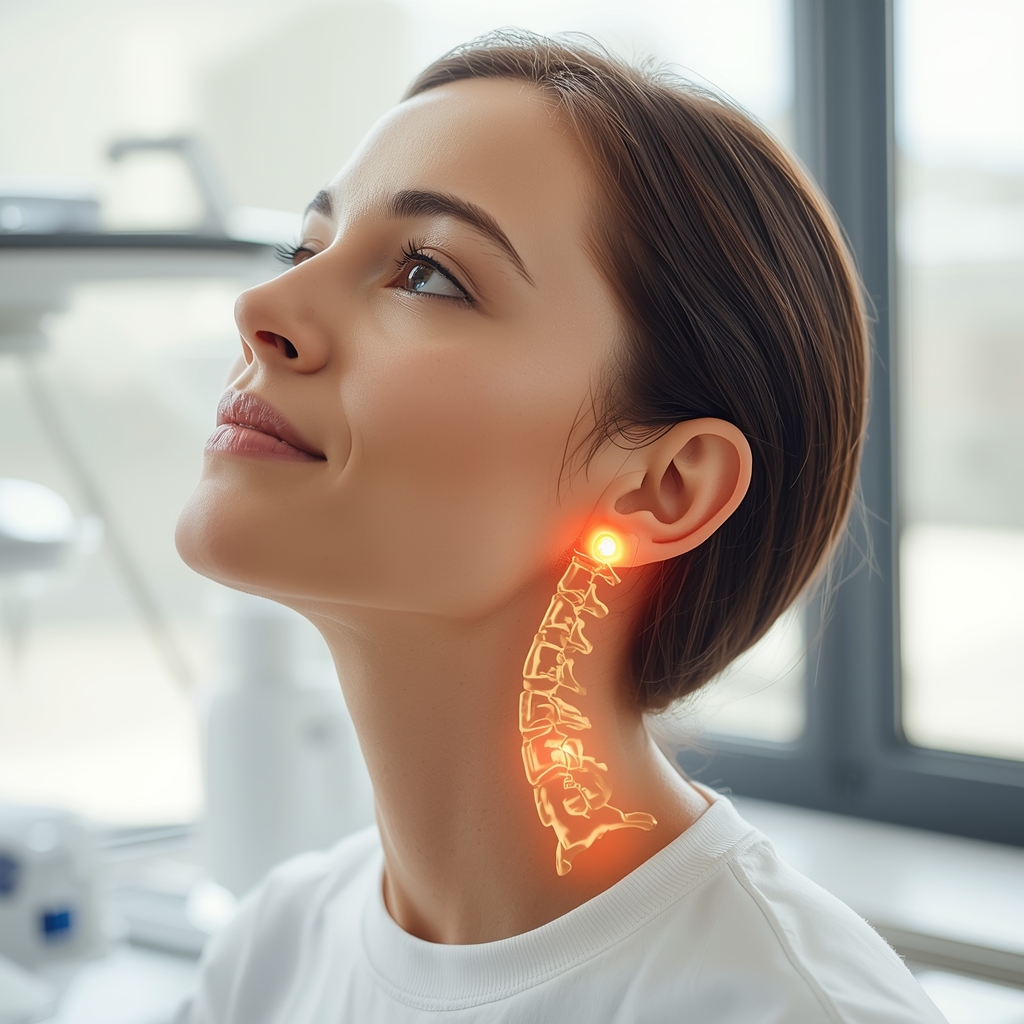
Understanding the Cervical Spine and TMJ Connection
The cervical spine, or neck, plays a critical role in overall musculoskeletal function, and its alignment can influence the temporomandibular joint (TMJ). The TMJ connects the jawbone to the skull, enabling movements like chewing and speaking. Misalignment in the cervical spine may create tension in surrounding muscles or alter nerve pathways, potentially contributing to TMJ dysfunction. While research on this relationship is ongoing, many healthcare professionals recognize the interconnected nature of the body’s structures. Addressing cervical spine health may offer a holistic approach to managing TMJ symptoms, though individual experiences vary. This article explores how spinal alignment might impact jaw function and what options exist for support.
How Cervical Misalignment Affects TMJ Function
Cervical spine misalignment, such as forward head posture or subluxations, can disrupt the natural biomechanics of the neck and head. This imbalance may lead to compensatory patterns in the jaw muscles, increasing strain on the TMJ. For example, tightness in the neck muscles like the sternocleidomastoid or suboccipital muscles can pull on the temporomandibular joint, exacerbating pain or limited movement. Additionally, nerve irritation from spinal issues might contribute to referred pain or altered jaw function. While not a direct cause of TMJ disorders, cervical misalignment is often considered a contributing factor in complex cases. Understanding this relationship highlights the importance of a comprehensive evaluation when addressing jaw-related concerns.
The Role of Nerves and Muscles in the Connection
The cervical spine houses nerves that extend to the face, jaw, and head, creating a direct neurological link between spinal health and TMJ function. Misalignments can irritate these nerves, leading to muscle tension, pain, or dysfunction in the jaw area. Muscles like the occipitalis and temporalis, which control jaw movement, are also connected to the cervical region. When the neck is out of alignment, these muscles may become overworked or imbalanced, further straining the TMJ. This interplay underscores the value of addressing spinal health as part of a broader strategy for TMJ management. However, the exact mechanisms remain an area of ongoing research and clinical observation.
Chiropractic Approaches to Cervical Spine Alignment
Chiropractic care focuses on restoring proper spinal alignment, which may indirectly support TMJ function. Adjustments to the cervical spine aim to reduce nerve interference, alleviate muscle tension, and improve overall biomechanics. Techniques such as spinal manipulation or soft tissue therapy can address misalignments and related muscular imbalances. Some patients report reduced jaw pain or improved range of motion after cervical adjustments, though results vary. It’s important to note that chiropractic care is typically part of a multidisciplinary approach, often combined with other therapies like physical therapy or dental interventions. A qualified chiropractor can assess individual needs and develop a tailored plan.
Complementary Strategies for TMJ Management
In addition to spinal care, managing TMJ disorders often involves a range of strategies. These may include physical therapy to strengthen jaw muscles, dental appliances to reduce clenching, or stress management techniques to address bruxism. Lifestyle changes, such as avoiding hard foods or practicing good posture, can also help. While cervical spine alignment is one piece of the puzzle, a holistic approach considers multiple factors contributing to TMJ dysfunction. Patients are encouraged to work with healthcare providers to explore options that align with their unique symptoms and goals. Open communication with professionals ensures safe and effective care.
Consulting a Healthcare Provider for Personalized Guidance
While cervical spine alignment may play a role in TMJ disorders, it’s essential to consult a qualified healthcare provider for an accurate diagnosis and treatment plan. A chiropractor, dentist, or physician can evaluate symptoms, identify underlying causes, and recommend appropriate interventions. Self-diagnosis or unguided treatments may delay effective care or worsen conditions. Each individual’s situation is unique, and what works for one person may not apply to another. By seeking professional guidance, patients can make informed decisions about their health and explore strategies that best suit their needs.












