
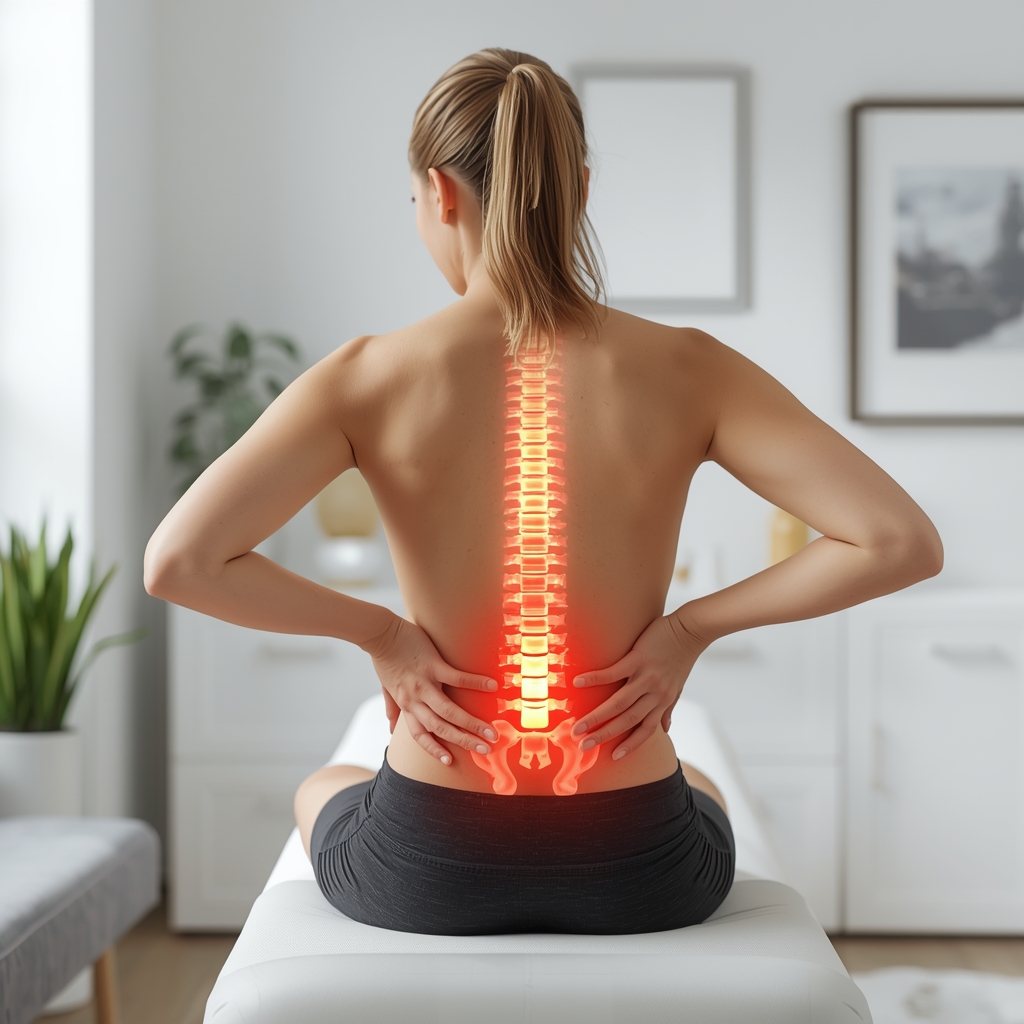
Understanding the Role of Massage Therapy in Chronic Lower Back Pain
Chronic lower back pain affects millions, often requiring a multifaceted approach for relief. While chiropractic adjustments address spinal misalignments, massage therapy complements these efforts by targeting soft tissue restrictions. This integration can enhance mobility, reduce inflammation, and alleviate muscle tension. By combining these therapies, patients may experience improved outcomes compared to either treatment alone. However, the effectiveness depends on selecting appropriate massage techniques that align with chiropractic goals. Understanding how these modalities work together is key to optimizing care for persistent back pain.
Common Massage Techniques for Lower Back Pain
Several massage techniques are frequently used alongside chiropractic care. Deep tissue massage focuses on layers of muscle and connective tissue, helping to relieve chronic tension. Myofascial release targets the fascia, the protective layer around muscles, to improve flexibility. Trigger point therapy addresses specific knots or tight areas that cause pain. Swedish massage, with its gentle strokes, promotes relaxation and circulation. Each technique offers unique benefits, and a skilled practitioner can tailor the approach to a patient’s needs. Choosing the right method ensures that massage therapy supports, rather than hinders, the goals of chiropractic adjustments.
How Massage Enhances Chiropractic Adjustments
Massage therapy prepares the body for chiropractic adjustments by reducing muscle resistance and improving joint mobility. Tight muscles can limit the effectiveness of adjustments, so loosening them first allows for more precise realignment. Techniques like myofascial release and deep tissue massage help relax overactive muscles, making adjustments more comfortable and effective. Additionally, massage stimulates blood flow, which can speed up the body’s natural healing processes. This synergy between modalities ensures that adjustments are not only more successful but also more sustainable over time. Patients often report faster relief and longer-lasting results when these treatments are combined strategically.
Considerations for Integrating Massage and Chiropractic Care
While combining massage and chiropractic care can be beneficial, it’s essential to coordinate treatments with a qualified provider. The sequence and frequency of sessions matter—massage may be used before adjustments to loosen tissues or after to reinforce alignment. Patients should communicate openly with both their chiropractor and massage therapist to ensure a cohesive plan. Individual needs vary, so a personalized approach is critical. For example, someone with acute inflammation might require different techniques than someone with chronic stiffness. Regular assessments help adjust the treatment strategy as progress is made, ensuring both therapies work in harmony to address the root causes of lower back pain.
The Importance of Professional Guidance
Effective integration of massage and chiropractic care requires expertise to avoid potential risks. A licensed chiropractor can identify structural issues that massage alone cannot resolve, while a trained massage therapist understands the nuances of soft tissue treatment. Patients should seek professionals who collaborate or have experience working together. This ensures that both therapies align with the patient’s medical history and current condition. Avoiding self-treatment or unqualified practitioners is crucial to prevent injury or setbacks. By relying on established professionals, patients can safely explore the full potential of combined therapies for chronic lower back pain.
Conclusion: A Holistic Approach to Chronic Lower Back Pain
Chronic lower back pain often demands a comprehensive strategy, and the combination of massage therapy and chiropractic adjustments offers a promising solution. By addressing both musculoskeletal alignment and soft tissue health, these therapies can create a more balanced and sustainable recovery. While no single approach works for everyone, many find relief through this integrative method. The key lies in working with experienced professionals who can tailor treatments to individual needs. As research continues to highlight the benefits of multidisciplinary care, patients are encouraged to explore these options under expert guidance for optimal outcomes.















