
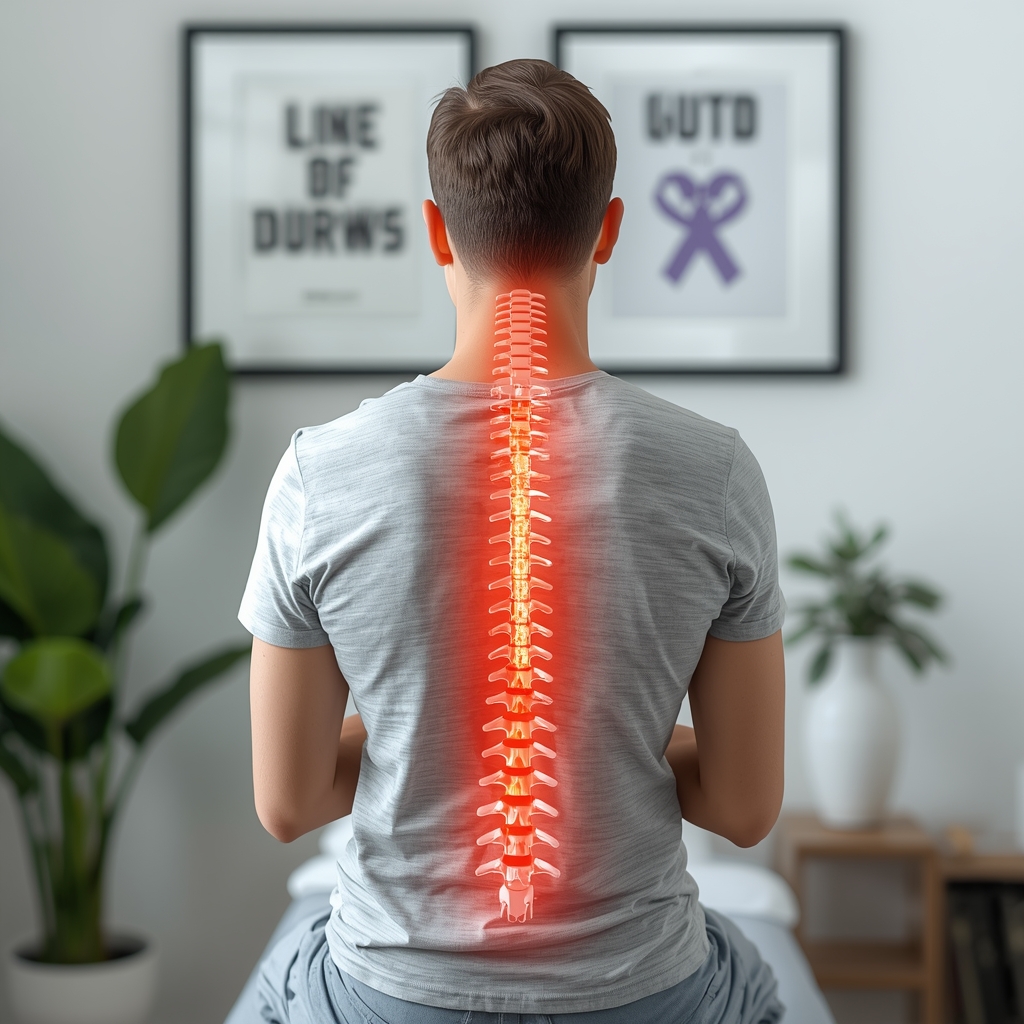
Understanding Dry Needling and the Quadratus Lumborum Muscle
Dry needling is a therapeutic technique used by chiropractors and physical therapists to target trigger points—tight, painful knots in muscles. The quadratus lumborum (QL) is a deep lower back muscle that stabilizes the spine and pelvis. When this muscle develops trigger points, it can cause localized pain, referred discomfort, and restricted movement. Dry needling involves inserting thin needles into these trigger points to stimulate a healing response. This method is often used for musculoskeletal conditions, particularly those involving muscle tension and referred pain. By addressing the root cause of discomfort, dry needling can alleviate symptoms and improve function. However, it is most effective when combined with other treatments tailored to the individual’s needs.
What Are Trigger Points and How Do They Affect the QL?
Trigger points are hyperirritable spots in skeletal muscle that can cause pain and dysfunction. In the quadratus lumborum, these points often form due to overuse, poor posture, or injury. They can lead to chronic lower back pain, stiffness, and even radiating discomfort to the hips or legs. When a trigger point is active, it may refer pain to other areas, making diagnosis challenging. Dry needling targets these points by inserting needles to release tension and reduce pain signals. This process can also promote blood flow and metabolic activity in the muscle, aiding recovery. Understanding the QL’s role in posture and movement helps practitioners identify and treat these points effectively, often as part of a broader treatment plan.
How Dry Needling Works on the Quadratus Lumborum
During dry needling, a thin filament needle is inserted into the QL’s trigger points to elicit a local twitch response, which helps relax the muscle. This action disrupts the pain cycle by reducing muscle spasm and improving nerve function. The technique may also stimulate the release of endorphins, the body’s natural painkillers. While dry needling directly addresses the QL, it is often used alongside other interventions to maximize results. For example, the procedure may be followed by soft tissue mobilization or stretching to maintain muscle flexibility. Patients may experience immediate relief or gradual improvement over several sessions. The goal is to restore normal muscle function and reduce the likelihood of future trigger point formation.
Complementary Adjustments for Enhanced Lower Back Relief
Chiropractic adjustments are frequently combined with dry needling to address lower back pain. Spinal manipulations can realign the vertebrae, reducing pressure on nerves and improving mobility. For the quadratus lumborum, adjustments may focus on the lumbar spine or sacroiliac joints to correct misalignments contributing to muscle tension. Soft tissue therapies like massage or instrument-assisted techniques may also be used to further relax the QL and surrounding muscles. Additionally, corrective exercises or stretches can strengthen the core and improve posture, preventing future strain. These combined approaches work synergistically to relieve pain, restore function, and support long-term musculoskeletal health.
The Role of Trigger Point Therapy in Pain Management
Trigger point therapy is a key component of managing musculoskeletal pain, especially when muscles like the quadratus lumborum are involved. Dry needling is one method of trigger point release, but others include ischemic pressure, spray-and-stretch, and myofascial release. These techniques aim to deactivate trigger points and reduce associated pain. When used with dry needling, they can enhance the effectiveness of treatment by addressing both the muscle and its surrounding structures. For instance, combining dry needling with myofascial release may improve tissue elasticity and reduce stiffness. A chiropractor can determine the most appropriate trigger point therapies based on the patient’s condition, ensuring a personalized approach to pain relief.
Considerations for Safe and Effective Treatment
While dry needling and complementary adjustments can be highly beneficial, they should always be performed by a qualified healthcare provider. Patients should discuss their medical history, including any bleeding disorders or medications, to ensure safety. Side effects like temporary soreness or bruising may occur but are typically mild. It is also important to communicate openly with the practitioner about pain levels and treatment goals. For optimal results, follow-up sessions and adherence to home care recommendations—such as stretching or posture adjustments—are essential. A chiropractor can guide patients through the process, ensuring that treatments are tailored to their specific needs and monitored for effectiveness.











