
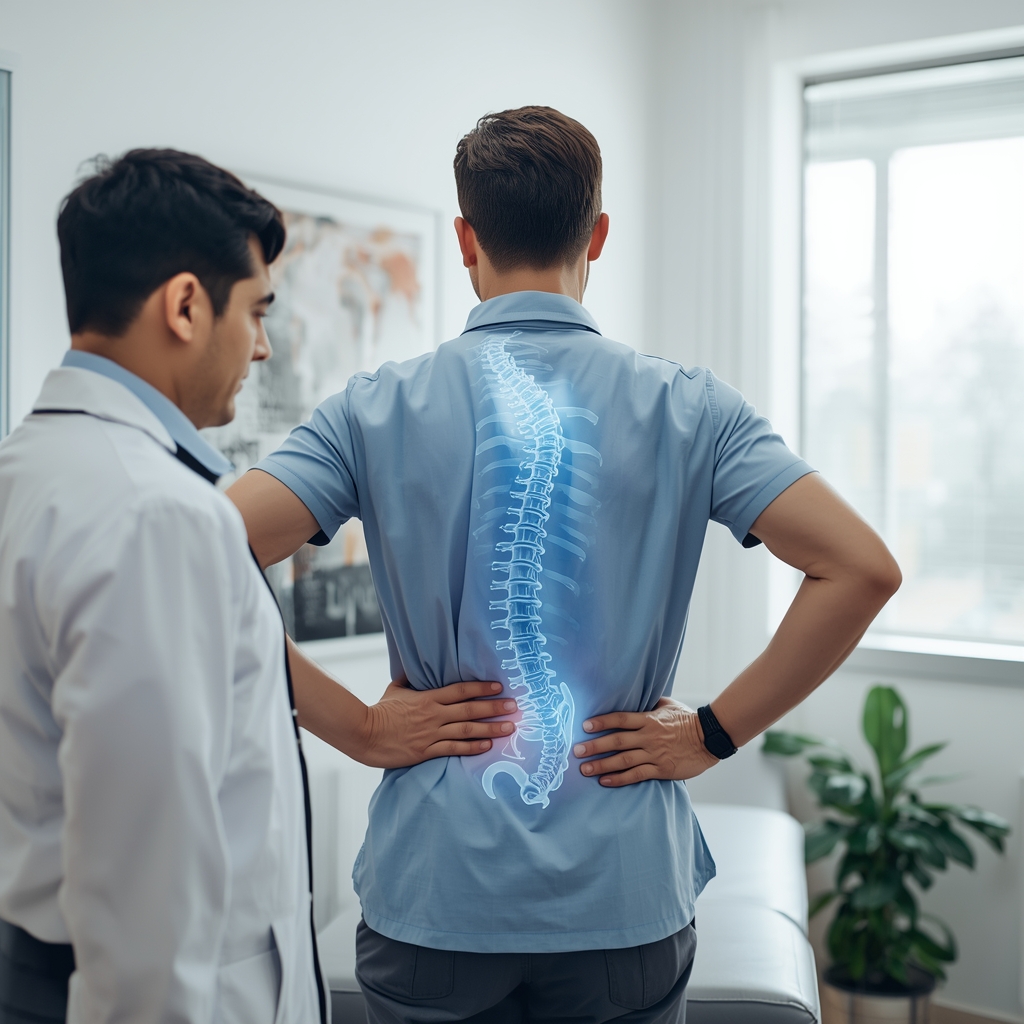
Introduction to Multimodal Chiropractic Care
Patients recovering from orthopedic procedures increasingly seek non-opioid pain relief options, and multimodal chiropractic approaches offer a holistic alternative. These methods combine various techniques to address pain, improve mobility, and support the body’s natural healing processes. By integrating adjustments, soft tissue work, and rehabilitative strategies, chiropractors create personalized plans that reduce reliance on medications. This approach aligns with broader healthcare trends emphasizing patient-centered, drug-free solutions. Understanding these modalities helps patients make informed decisions about their recovery, ensuring safety and effectiveness without the risks associated with opioid use.
Spinal Adjustments and Joint Manipulation
Spinal adjustments are a cornerstone of chiropractic care, focusing on restoring proper alignment and function to the musculoskeletal system. By gently manipulating the spine, chiropractors can alleviate pressure on nerves, reduce inflammation, and enhance joint mobility. This technique is particularly beneficial after orthopedic surgeries, where misalignments may contribute to lingering pain or restricted movement. When combined with other modalities, adjustments help optimize the body’s biomechanics, promoting faster recovery. Patients often report reduced discomfort and improved range of motion, making this a valuable component of opioid-free pain management strategies.
Soft Tissue Therapies and Myofascial Release
Soft tissue therapies, such as massage and myofascial release, target muscles, ligaments, and connective tissues to relieve tension and improve circulation. These techniques are especially effective for post-surgical patients experiencing muscle stiffness or scar tissue formation. By breaking down adhesions and restoring flexibility, soft tissue work complements spinal adjustments and reduces pain without medication. Chiropractors may use tools like Graston Technique instruments or manual pressure to address specific areas of discomfort. This approach not only eases pain but also supports the body’s natural healing processes, making it a key element in multimodal recovery plans.
Cold Laser Therapy and Ultrasound
Cold laser therapy and ultrasound are non-invasive treatments that promote tissue repair and reduce inflammation. Cold laser therapy uses low-level light to stimulate cellular activity, accelerating healing and easing pain. Ultrasound therapy employs sound waves to increase blood flow and break down scar tissue, enhancing recovery after orthopedic procedures. Both modalities are safe, painless, and effective for managing post-surgical discomfort. When integrated into chiropractic care, they provide targeted relief without the risks of pharmacological interventions. Patients often experience reduced swelling and improved function, making these therapies valuable additions to opioid-free pain management protocols.
Corrective Exercises and Rehabilitation
Corrective exercises are tailored to address musculoskeletal imbalances and strengthen weakened areas after surgery. Chiropractors design individualized programs that focus on posture, stability, and functional movement patterns. These exercises help prevent compensatory issues, reduce pain, and restore full mobility. By incorporating resistance training, stretching, and proprioceptive drills, patients regain confidence in their physical abilities. This proactive approach empowers individuals to take an active role in their recovery while minimizing the need for pain medications. When combined with other chiropractic techniques, corrective exercises enhance long-term outcomes and support sustainable pain relief.
Integrating Patient Education and Lifestyle Changes
Effective pain management extends beyond in-office treatments; patient education and lifestyle modifications play a critical role. Chiropractors guide patients on proper ergonomics, sleep positions, and activity modifications to avoid re-injury. Nutritional advice and stress management techniques further support the body’s healing processes. By fostering self-care practices, chiropractors help patients maintain progress and reduce reliance on opioids. This holistic approach ensures that pain relief is both immediate and sustainable. Collaborating with healthcare providers, chiropractors create comprehensive plans that prioritize long-term wellness and minimize the risks associated with medication use.













