Introduction to the McKenzie Method
The McKenzie method is a widely recognized approach in chiropractic care, focusing on the diagnosis and treatment of musculoskeletal disorders, particularly those affecting the spine. It emphasizes patient empowerment through education on proper posture, exercise, and movement to alleviate pain and improve function. For patients suffering from chronic low back pain due to disc herniation, the McKenzie method offers a non-invasive and evidence-based treatment strategy.
Understanding Chronic Low Back Pain and Disc Herniation
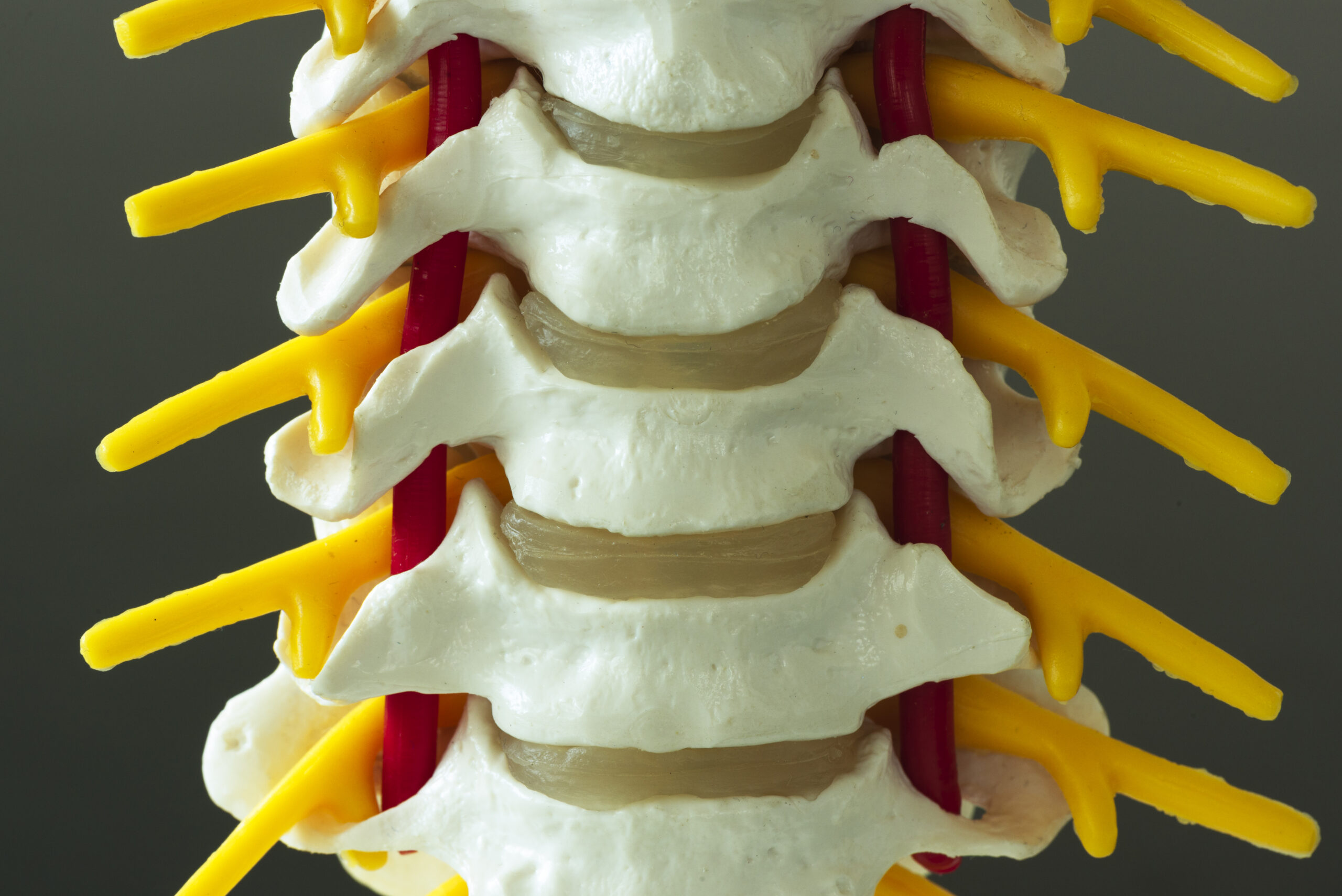
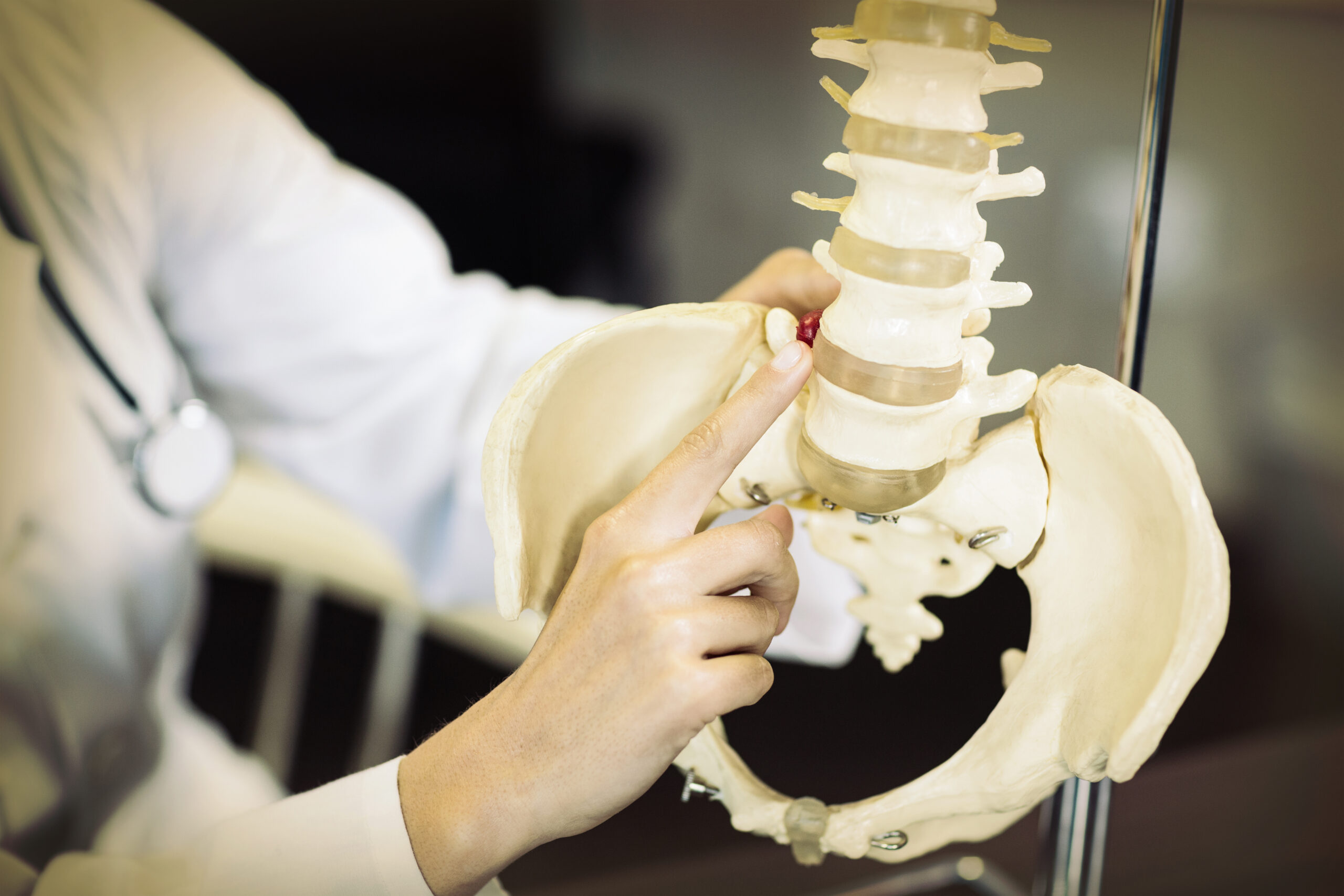
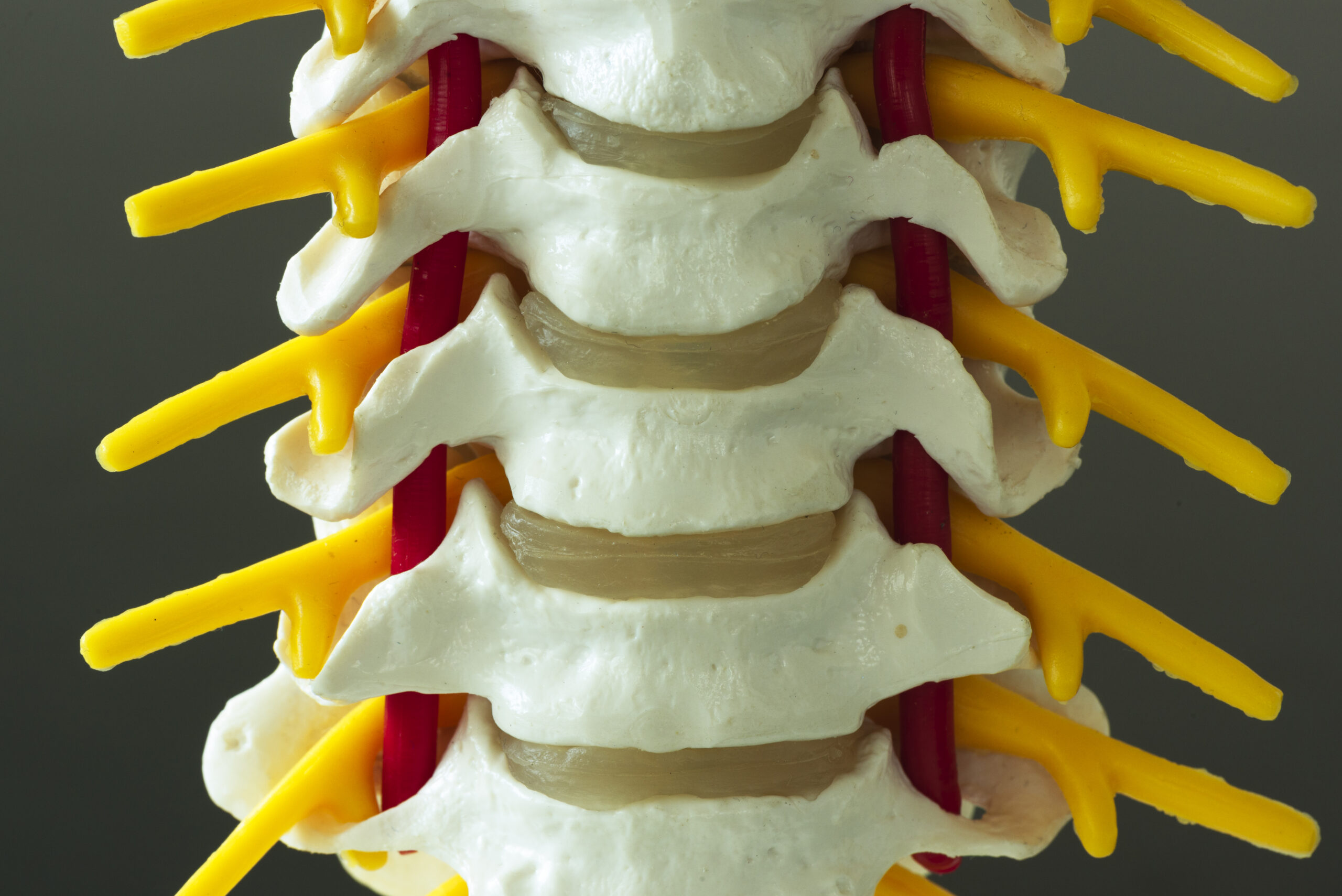
Chronic low back pain is a common condition characterized by persistent pain in the lower back, often lasting more than three months. Disc herniation, where the soft inner gel of the intervertebral disc leaks out through a tear in the outer layer, can be a significant cause of this pain. The herniated disc can irritate nearby nerves, leading to pain, numbness, tingling, and weakness in the back and legs. Chiropractors use the McKenzie method to assess and address these issues, aiming to reduce pain and improve mobility.
Diagnosis Using the McKenzie Method
Diagnosis is a critical step in the McKenzie method, involving a thorough examination to identify the underlying causes of the patient's symptoms. Chiropractors use a combination of medical history, physical examination, and sometimes imaging studies to determine the presence of disc herniation and its impact on the patient's spinal function. The McKenzie assessment includes a series of movements and positions that help to classify the patient's condition into one of three syndromes: postural, derangement, or dysfunction. This classification guides the development of a personalized treatment plan.
Treatment Principles of the McKenzie Method
The treatment principles of the McKenzie method for chronic low back pain and disc herniation focus on reducing pain, improving spinal mobility, and enhancing patient function. Chiropractors may use spinal manipulation, specific exercises, and postural advice tailored to the patient's syndrome classification. The goal is to centralize pain (i.e., move it from the legs back to the lower back), reduce peripheralization (spread of pain to other areas), and eventually abolish the pain. Patient education is a cornerstone of the McKenzie approach, empowering individuals to manage their condition through self-treatment strategies and lifestyle modifications.
Benefits and Considerations
The McKenzie method offers several benefits for patients with chronic low back pain and disc herniation, including a non-pharmacological approach to pain management, potential for significant reduction in symptoms, and promotion of active patient participation in the recovery process. However, it is essential for patients to discuss their specific condition and treatment options with a qualified chiropractor to determine if the McKenzie method is appropriate for their needs. Regular monitoring and adjustments to the treatment plan may be necessary to achieve optimal outcomes.
Conclusion and Next Steps
In conclusion, the McKenzie method provides a valuable approach for chiropractors to diagnose and treat chronic low back pain associated with disc herniation. By emphasizing patient education, specific exercises, and postural corrections, this method can help individuals manage their symptoms and improve their quality of life. For those considering the McKenzie method, consulting with a chiropractor is the first step towards understanding how this approach can be tailored to address their unique condition and needs.