
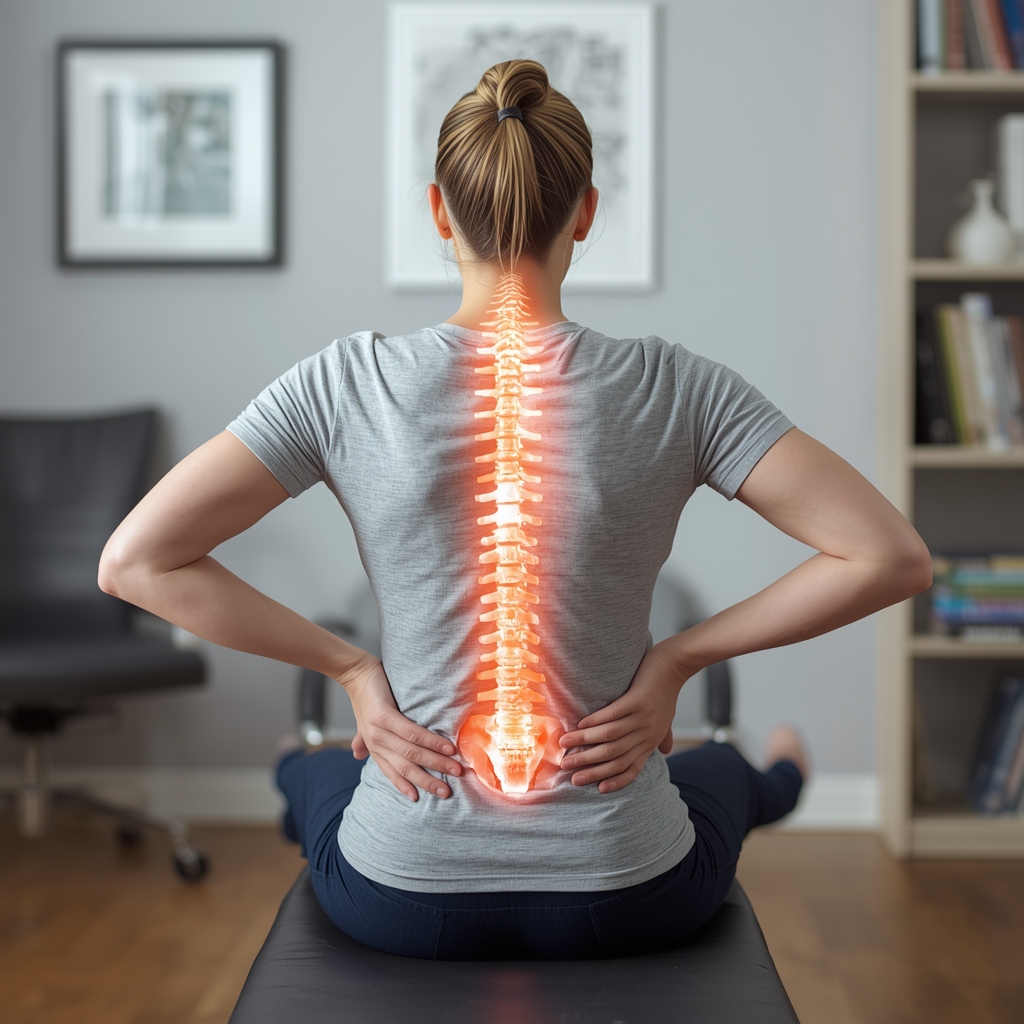
Understanding Kyphosis and Its Impact on Upper Back Pain
Kyphosis refers to an excessive outward curvature of the thoracic spine, often resulting in a rounded or hunched posture. This condition can lead to upper back pain, stiffness, and reduced mobility, affecting daily activities and overall comfort. While mild cases may not cause significant issues, severe kyphosis can compress nerves, strain muscles, and contribute to chronic discomfort. Common causes include poor posture, spinal degeneration, or congenital conditions. Managing kyphosis-related pain requires a holistic approach, combining targeted interventions to improve spinal alignment and strengthen supporting musculature. Chiropractic care and stretching routines are frequently recommended as non-invasive options to alleviate symptoms and enhance quality of life. Understanding the role of these strategies is essential for individuals seeking relief from upper back pain linked to kyphosis.
The Role of Chiropractic Adjustments in Kyphosis Management
Chiropractic adjustments aim to restore proper spinal alignment, which is crucial for individuals with kyphosis. By gently manipulating the thoracic spine, chiropractors can reduce excessive curvature, ease muscle tension, and improve nerve function. These adjustments may help alleviate pressure on spinal structures, potentially reducing pain and enhancing mobility. Many patients report improved posture and reduced stiffness after regular sessions. However, the effectiveness of adjustments depends on the severity of kyphosis and the individual’s overall health. A qualified chiropractor will tailor techniques to the patient’s needs, avoiding excessive force that could worsen the condition. While adjustments alone may not correct kyphosis, they often serve as a foundational component of a broader treatment plan. Combining this care with other strategies, such as stretching and posture correction, can maximize benefits for long-term relief.
Stretching Routines to Alleviate Upper Back Discomfort
Specific stretching routines can complement chiropractic care by addressing muscle imbalances and improving flexibility in the upper back. Tight chest muscles and weakened upper back muscles often contribute to kyphosis, so targeted stretches can help restore balance. Exercises like the cat-cow stretch, child’s pose, and doorway chest stretches are commonly recommended to release tension and promote better posture. These routines can be performed daily to enhance mobility and reduce stiffness. Additionally, yoga or Pilates-based movements may strengthen the core and improve spinal stability. It is important to approach stretching with care, avoiding overexertion that could strain the spine. A chiropractor or physical therapist can guide individuals in selecting safe, effective stretches tailored to their condition. Consistency is key, as regular practice can gradually improve posture and reduce kyphosis-related discomfort over time.
Combining Chiropractic Care with Stretching for Optimal Results
Integrating chiropractic adjustments with a structured stretching regimen often yields the best outcomes for managing kyphosis-related upper back pain. Adjustments address spinal misalignments, while stretching routines target muscular tightness that exacerbates the condition. This combined approach can enhance flexibility, reduce pain, and support long-term posture correction. For example, after an adjustment, gentle stretching may help maintain the spine’s improved alignment and prevent muscle re-tightening. Patients may also experience faster recovery as both methods work synergistically to relieve pressure on the thoracic region. However, the timing and intensity of these interventions should be carefully coordinated with a healthcare provider to avoid overstimulation. A personalized plan ensures that adjustments and stretches are tailored to the individual’s needs, maximizing effectiveness while minimizing risks. This collaborative strategy empowers patients to take an active role in their recovery journey.
Lifestyle Modifications to Support Upper Back Health
In addition to chiropractic care and stretching, lifestyle adjustments play a critical role in managing kyphosis-related upper back pain. Maintaining good posture, especially during prolonged sitting or standing, can prevent further strain on the thoracic spine. Ergonomic modifications, such as adjusting chair height or using supportive cushions, may also help. Regular physical activity, including low-impact exercises like walking or swimming, can strengthen the muscles that support the spine. Avoiding habits that worsen posture, such as slouching or carrying heavy bags on one shoulder, is equally important. Stress management techniques, like deep breathing or meditation, may also reduce muscle tension that contributes to discomfort. These changes, when combined with professional care, create a comprehensive approach to managing kyphosis. Small, consistent adjustments to daily routines can lead to significant improvements in spinal health and overall well-being.
When to Seek Professional Guidance for Kyphosis Pain
If upper back pain persists or worsens despite self-care efforts, it is essential to consult a chiropractor or other healthcare provider. A professional can assess the severity of kyphosis and determine the most appropriate treatment plan. Individuals experiencing severe pain, limited mobility, or neurological symptoms like numbness should seek immediate care. Chiropractors may use diagnostic tools to evaluate spinal alignment and muscle function, ensuring interventions are safe and effective. They can also recommend additional therapies, such as physical therapy or ergonomic adjustments, to address underlying issues. It is important to avoid self-diagnosis or unproven treatments that could delay proper care. Working with a qualified provider ensures that management strategies are evidence-based and tailored to the individual’s needs. Regular follow-ups allow for ongoing monitoring and adjustments to the treatment plan, promoting long-term relief and spinal health.














