
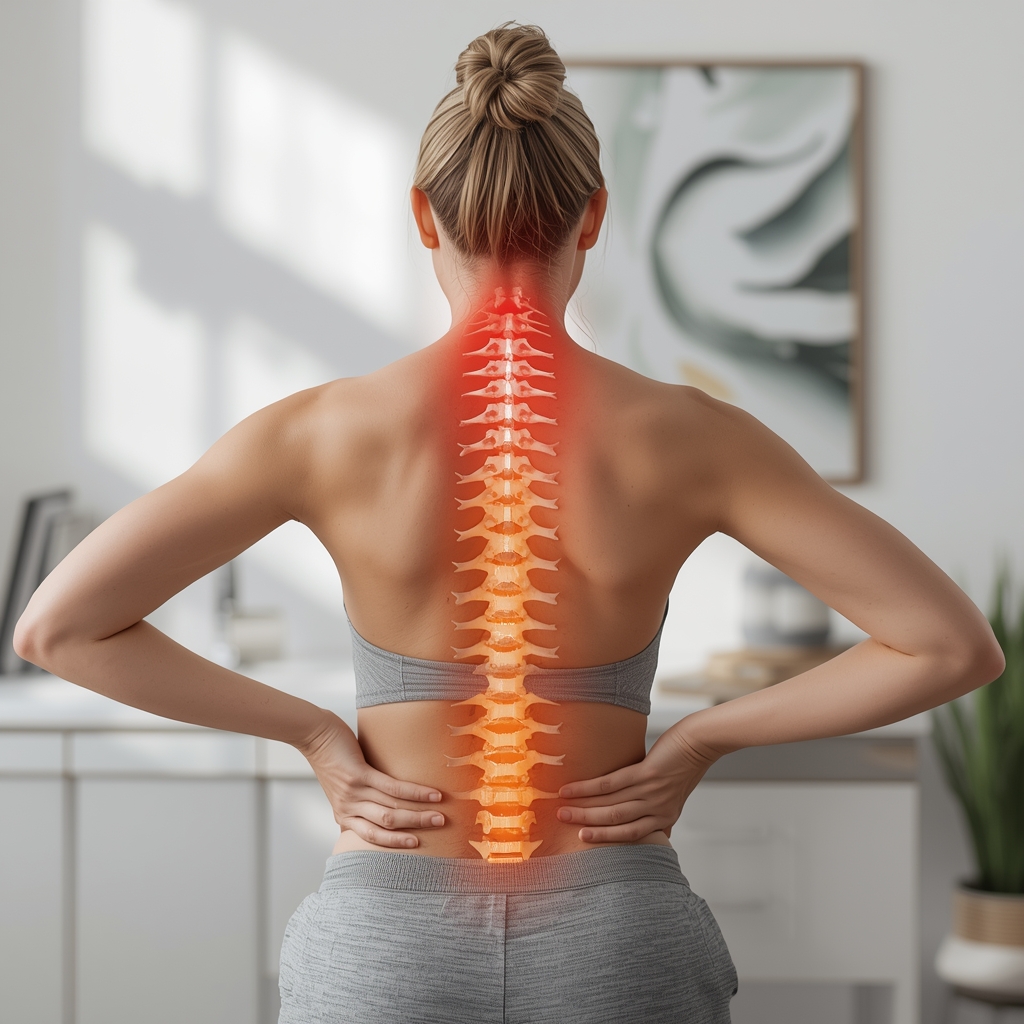
Understanding Scoliosis-Related Postural Imbalances
Scoliosis, a condition characterized by an abnormal sideways curvature of the spine, often leads to postural imbalances that contribute to upper back pain. These imbalances can strain muscles, ligaments, and joints, creating discomfort and reducing mobility. While scoliosis is commonly associated with spinal curvature, its impact on posture—such as uneven shoulders, a tilted pelvis, or a forward head position—can exacerbate thoracic spine stress. Chiropractic care addresses these issues by focusing on restoring alignment and function. However, the effectiveness of techniques varies, and a personalized approach is essential. Patients should consult a qualified chiropractor to determine the best strategies for their specific condition.
Spinal Adjustments and Postural Rebalancing
Spinal adjustments, a cornerstone of chiropractic care, aim to correct misalignments (subluxations) that contribute to postural imbalances. For scoliosis-related upper back pain, adjustments focus on the thoracic spine to reduce pressure on nerves and muscles. Techniques like diversified adjustments or instrument-assisted methods may be used to gently realign vertebrae. While adjustments alone may not correct spinal curvature, they can alleviate pain and improve mobility by restoring proper biomechanics. Chiropractors often combine adjustments with soft tissue work to address muscle tension and enhance outcomes. Patients should expect a gradual process, as long-term postural improvements require consistent care and lifestyle adjustments.
Soft Tissue Therapies for Muscle Relief
Soft tissue therapies, such as myofascial release or Active Release Technique (ART), target tight or injured muscles that contribute to postural strain. In scoliosis-related cases, these therapies can ease tension in the upper back, shoulders, and neck, reducing pain and improving range of motion. By breaking down adhesions and restoring muscle flexibility, soft tissue work complements spinal adjustments. Chiropractors may also use massage or trigger point therapy to address specific areas of discomfort. These techniques are particularly beneficial for patients experiencing muscle spasms or chronic tightness due to compensatory postures. While not a standalone solution, soft tissue therapies are a valuable component of a comprehensive care plan.
Posture Correction and Ergonomic Strategies
Addressing postural imbalances is critical for managing upper back pain linked to scoliosis. Chiropractors often recommend posture correction exercises, such as core strengthening or stretching routines, to support the spine and reduce strain. Ergonomic adjustments—like optimizing desk setups or sleeping positions—can also play a role in maintaining proper alignment. Patients may benefit from guided exercises to retrain muscle memory and improve awareness of their posture. In some cases, orthotics or supportive devices may be recommended to stabilize the body. These strategies work best when combined with regular chiropractic visits, as they help sustain long-term improvements in spinal health and function.
Integrative Approaches for Holistic Care
Chiropractic care for scoliosis-related upper back pain often integrates other modalities to enhance outcomes. Techniques like decompression therapy, cold laser therapy, or electrical stimulation may be used to reduce inflammation and promote healing. Chiropractors may also collaborate with physical therapists or nutritionists to address underlying factors, such as muscle weakness or poor diet, that affect posture. Patients are encouraged to adopt a holistic approach, including regular movement, stress management, and proper sleep. While these methods are not substitutes for spinal adjustments, they support overall wellness and can accelerate recovery. Open communication with healthcare providers ensures a coordinated, patient-centered plan.
Consulting a Chiropractor for Personalized Care
Each patient’s scoliosis and postural imbalances are unique, making personalized chiropractic care essential. A qualified chiropractor will conduct a thorough evaluation, including imaging and physical exams, to develop a tailored treatment plan. Techniques such as spinal adjustments, soft tissue work, and posture correction are adapted to the individual’s needs and goals. Patients should discuss their medical history and any concurrent conditions to ensure safe and effective care. While chiropractic interventions can significantly reduce upper back pain, they are most successful when combined with lifestyle changes and ongoing follow-up. Regular assessments allow adjustments to the care plan, ensuring continued progress and long-term spinal health.














