
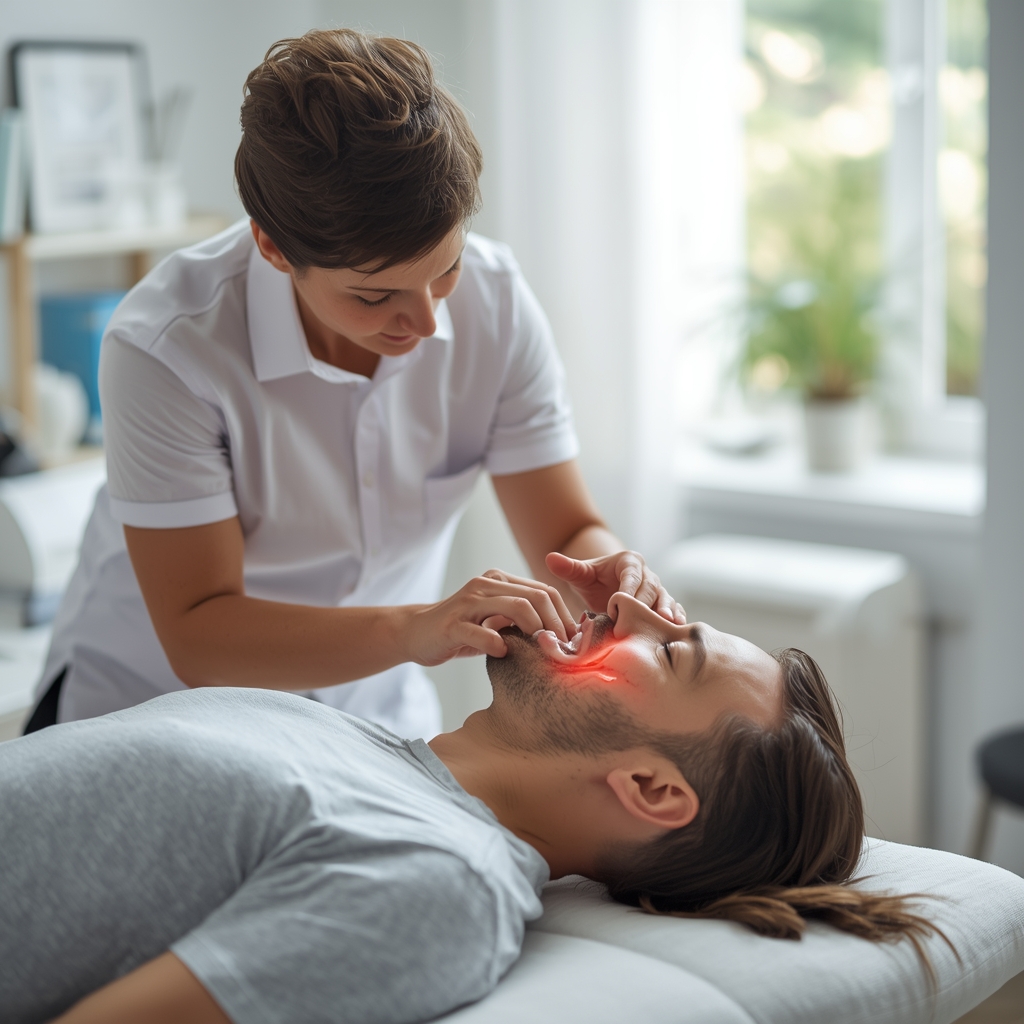
Understanding TMJ and Bruxism
Temporomandibular joint (TMJ) disorders and bruxism—teeth grinding or clenching—are common conditions that can cause significant discomfort. TMJ issues often stem from misalignment of the jaw, muscle tension, or joint inflammation, while bruxism is frequently linked to stress, sleep disorders, or improper bite alignment. Together, these conditions can create a cycle of pain, including jaw soreness, headaches, and difficulty chewing. Myofascial trigger points—knots in muscles that cause localized or referred pain—often develop in the jaw area, exacerbating symptoms. Understanding the connection between these issues is crucial for effective treatment, as addressing both the structural and muscular components can lead to lasting relief. Chiropractors and other healthcare professionals may use targeted therapies to break this cycle, focusing on reducing tension and restoring normal jaw function.
Myofascial Trigger Points in the Jaw
Myofascial trigger points are hyperirritable spots in skeletal muscle that can cause pain and limit movement. In the context of TMJ disorders, these points often form in the masseter, temporalis, and other jaw muscles due to repetitive strain from bruxism or poor posture. When activated, trigger points can lead to localized tenderness, referred pain to the ears or temples, and even difficulty opening the mouth fully. These knots may develop from chronic muscle overuse, trauma, or imbalances in the musculoskeletal system. Identifying and treating trigger points is essential for alleviating TMJ-related discomfort, as they contribute to muscle stiffness and reduced range of motion. Chiropractors may use manual techniques, such as ischemic compression or dry needling, to release these points, promoting relaxation and improved function. By addressing the root cause of muscle tension, patients often experience a reduction in jaw pain and associated symptoms.
Jaw Mobilization Techniques for TMJ Relief
Jaw mobilization techniques involve gentle, guided movements to improve the range of motion in the temporomandibular joint and surrounding muscles. These methods are often used to address stiffness, reduce pain, and restore normal jaw function in patients with TMJ disorders. Techniques may include passive stretching, resistance exercises, or manual manipulation by a healthcare provider to realign the joint. For individuals with bruxism, jaw mobilization can help break the cycle of muscle tension and grinding by encouraging proper alignment and relaxation. When combined with other therapies, such as trigger point release, these techniques can enhance overall outcomes. Patients may also be taught self-mobilization exercises to perform at home, such as gentle jaw stretches or applying heat to the affected area. Consistent practice of these methods can lead to long-term improvements in jaw mobility and reduced discomfort, making them a valuable component of a comprehensive treatment plan.
How Trigger Point Therapy and Jaw Mobilization Work Together
Trigger point therapy and jaw mobilization techniques complement each other by addressing both the muscular and structural aspects of TMJ disorders. Trigger point therapy targets specific knots in the jaw muscles, reducing localized pain and improving blood flow, while jaw mobilization focuses on restoring proper joint movement and alignment. When used together, these approaches can break the cycle of tension and pain that often accompanies bruxism. For example, releasing a trigger point in the masseter muscle may allow for more effective jaw mobilization, as the muscle is less rigid and more responsive to movement. This combined strategy can also prevent the recurrence of symptoms by addressing both the immediate source of discomfort and underlying biomechanical issues. Chiropractors may integrate these techniques into a broader treatment plan, which could include posture correction, stress management, or ergonomic adjustments. By tackling TMJ pain from multiple angles, patients are more likely to achieve lasting relief and improved quality of life.
What to Expect During Treatment
Patients undergoing trigger point therapy and jaw mobilization for TMJ pain can expect a personalized approach tailored to their specific needs. During a session, a chiropractor or therapist may first assess the jaw and surrounding muscles to identify areas of tension or misalignment. Trigger point therapy typically involves applying sustained pressure to the affected muscles, which can cause temporary discomfort but should not be excessively painful. Jaw mobilization techniques may include gentle stretching or manual adjustments to improve joint mobility. The number of sessions required varies depending on the severity of the condition and individual response to treatment. Some patients may notice relief after a single session, while others may need ongoing care to achieve long-term results. It is also common for practitioners to recommend self-care strategies, such as applying heat, avoiding hard foods, or practicing relaxation techniques to manage stress. Open communication with the healthcare provider is essential to ensure the treatment plan remains effective and comfortable.
When to Seek Professional Help
If TMJ pain persists or worsens despite self-care efforts, it is advisable to consult a qualified healthcare provider, such as a chiropractor or dentist, for a thorough evaluation. Chronic bruxism or persistent jaw discomfort may indicate underlying issues that require targeted intervention. A chiropractor can assess the musculoskeletal factors contributing to the condition and develop a treatment plan that includes trigger point therapy, jaw mobilization, or other complementary techniques. Early intervention is often key to preventing long-term complications, such as joint degeneration or chronic pain. Patients should also seek help if they experience symptoms like clicking or popping in the jaw, limited mouth opening, or radiating pain to the neck or shoulders. While these therapies can be highly effective, they should always be performed by a trained professional to ensure safety and optimal outcomes. By addressing TMJ and bruxism proactively, individuals can reduce discomfort and improve their overall well-being.













