
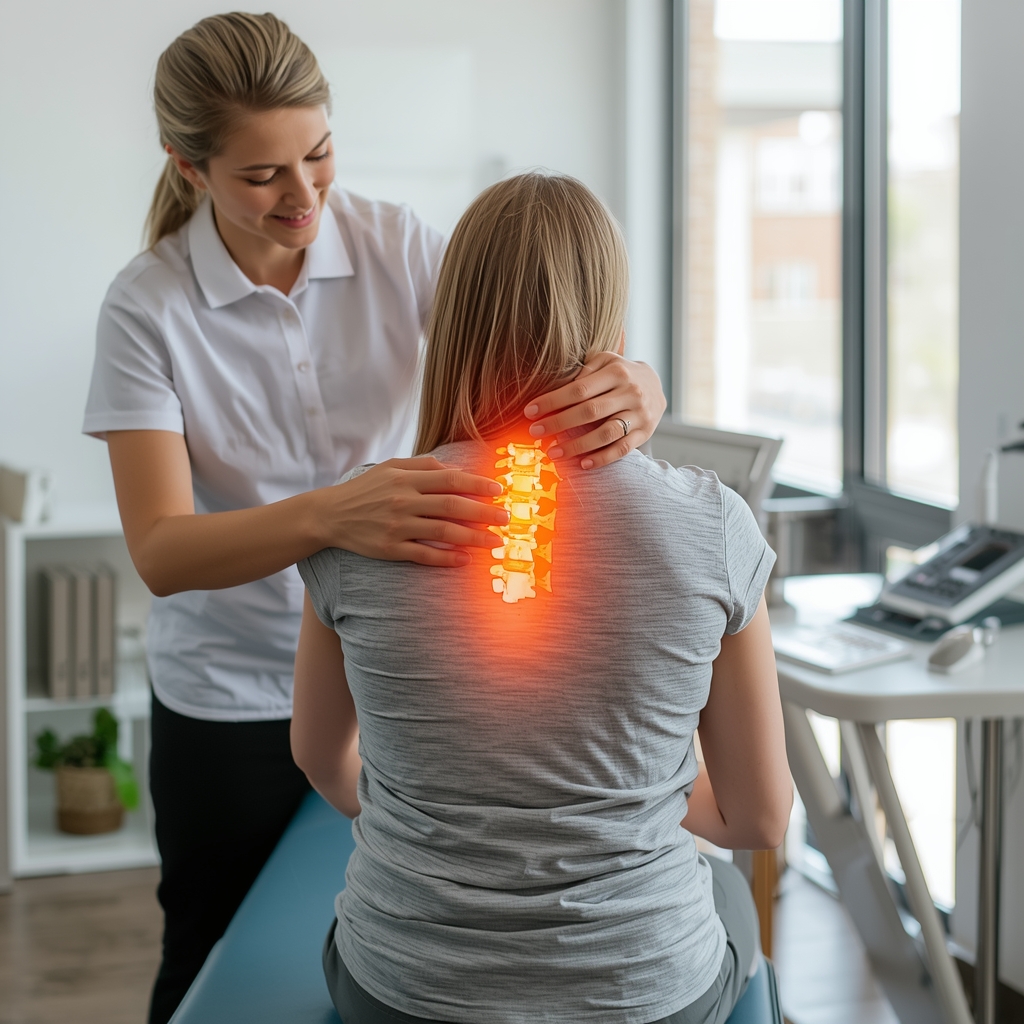
Understanding Whiplash in Adolescents
Whiplash-associated disorders (WAD) occur when sudden acceleration or deceleration forces strain the neck and spine, commonly from car accidents or sports injuries. Adolescents, whose musculoskeletal systems are still developing, may experience unique challenges in recovery. Symptoms often include neck pain, headaches, dizziness, and reduced range of motion. Early intervention is critical to prevent chronic issues. Chiropractic care, focusing on spinal adjustments and soft tissue techniques, can address these concerns by restoring alignment, reducing inflammation, and improving mobility. This approach supports the body’s natural healing processes, making it a valuable option for young patients. However, it’s essential to consult a qualified chiropractor to tailor treatments to the individual’s needs and ensure safety.
The Role of Spinal Adjustments
Spinal adjustments, a core chiropractic technique, involve precise manual manipulations to realign the vertebrae. For adolescents with WAD, these adjustments can alleviate pressure on nerves and joints, reducing pain and restoring normal function. By correcting misalignments, adjustments may improve posture and reduce muscle tension that contributes to discomfort. They also promote better circulation, which supports tissue repair. While not a cure, spinal adjustments can be part of a comprehensive recovery plan. Many patients report improved mobility and reduced symptoms after consistent care. However, results vary, and it’s important to work with a licensed chiropractor to ensure techniques are age-appropriate and safe for growing bodies.
Soft Tissue Techniques for Recovery
Soft tissue techniques, such as myofascial release and trigger point therapy, target muscles, ligaments, and fascia to relieve tension and improve flexibility. In adolescents with WAD, these methods can address muscle spasms and stiffness that often accompany neck injuries. By breaking up adhesions and enhancing blood flow, soft tissue work may speed up healing and reduce pain. Techniques like Active Release Technique (ART) or Graston Therapy are commonly used to restore normal tissue function. These approaches are often combined with spinal adjustments for a holistic effect. While generally safe, they should be performed by trained professionals to avoid overstimulation of sensitive areas. Adolescents may find these treatments more comfortable when integrated into a personalized care plan.
Combining Adjustments and Soft Tissue Care
Integrating spinal adjustments with soft tissue techniques offers a multifaceted approach to WAD recovery. Adjustments address structural imbalances, while soft tissue work targets muscular and connective tissue restrictions. This dual strategy can enhance mobility, reduce pain, and prevent compensatory patterns that might lead to long-term issues. For adolescents, whose bodies are still adapting, this synergy may optimize healing and restore function more effectively. Treatments are often tailored to the patient’s age, injury severity, and activity level. Regular sessions can help maintain progress and support the body’s natural recovery processes. However, outcomes depend on factors like adherence to care plans and overall health, making communication with a chiropractor essential for optimal results.
Importance of Early Intervention
Early intervention is crucial in managing WAD in adolescents to minimize the risk of chronic symptoms. Prompt chiropractic care can address acute inflammation, realign the spine, and prevent secondary complications like muscle atrophy or joint stiffness. Delaying treatment may lead to prolonged discomfort and reduced effectiveness of later interventions. Adolescents may benefit from a combination of spinal adjustments, soft tissue therapy, and guided exercises to support recovery. Parents and caregivers should seek professional evaluation after any neck injury, even if symptoms seem mild. A chiropractor can develop a proactive care plan to restore function and reduce the likelihood of long-term issues. Early action ensures the best possible outcome for young patients navigating the challenges of whiplash.
When to Seek Professional Help
If an adolescent experiences neck pain, headaches, or mobility issues after an accident, consulting a chiropractor is advisable. A qualified provider can assess the injury’s severity and recommend appropriate treatments. Chiropractors specializing in pediatric care are trained to address the unique needs of growing bodies, ensuring safe and effective interventions. It’s important to avoid self-diagnosis or unproven therapies, which may delay recovery. Professional guidance helps distinguish between minor strains and more serious injuries requiring additional care. Regular follow-ups allow for adjustments to the treatment plan as the patient progresses. By prioritizing timely, expert care, adolescents can maximize their chances of a full recovery and return to normal activities with confidence.













