
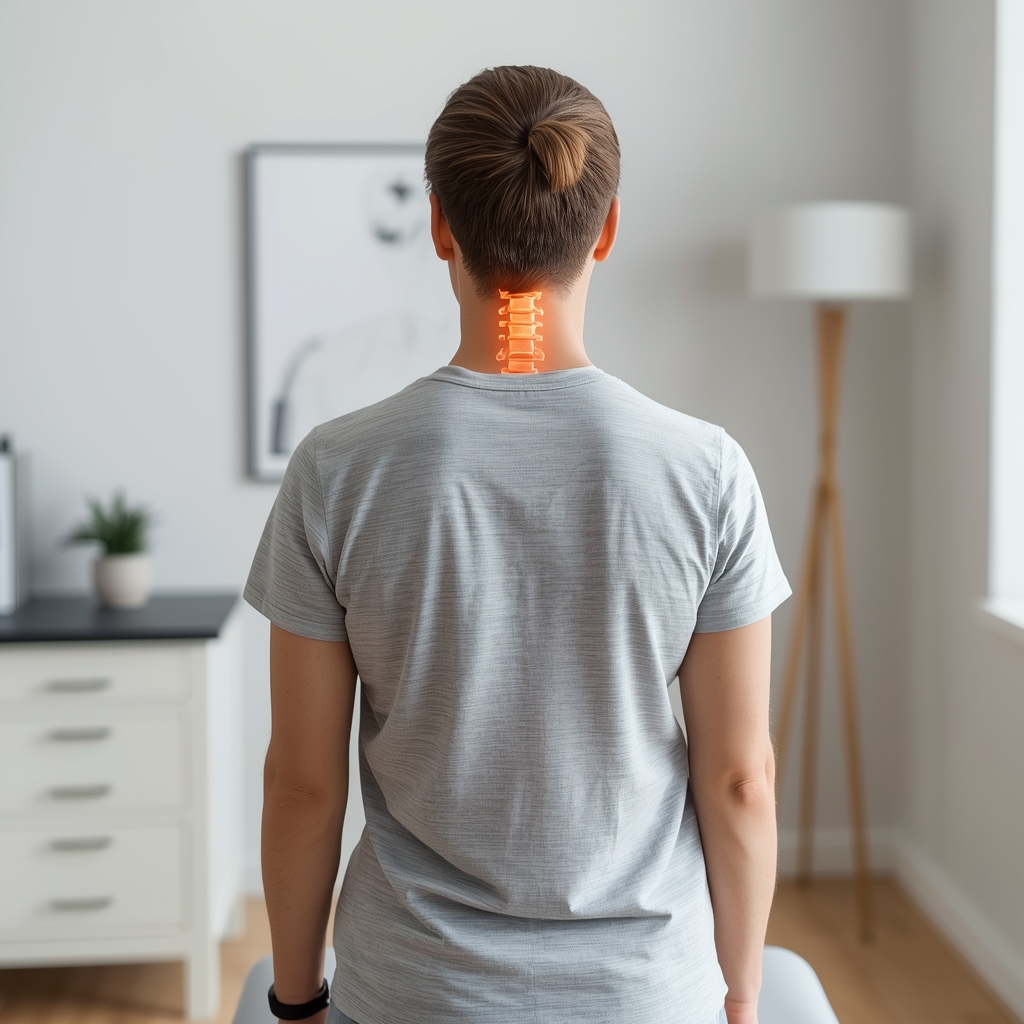
The Role of Cervical Spine Curvature in Posture
The cervical spine, or neck, naturally curves inward (lordotic) to support the head and maintain balance. This curvature distributes mechanical stress evenly across the vertebrae and allows for smooth movement. When the curve becomes flattened or reversed due to poor posture, injury, or degenerative changes, it can alter how weight is distributed, leading to muscle strain, headaches, and altered biomechanics. Proper cervical alignment is foundational for overall postural health, as it sets the tone for the spine’s other segments. Maintaining this curve helps prevent compensatory changes in the shoulders, upper back, and even the lower body, which can compound posture-related issues over time.
How Cervical Misalignment Impacts Balance
The cervical spine plays a critical role in balance by interacting with the vestibular system in the inner ear. Misalignment can disrupt sensory feedback, affecting spatial awareness and coordination. For example, a forward head posture—common with prolonged screen use—shifts the center of gravity, forcing the body to compensate by adjusting the pelvis and lower back. This creates a chain reaction that may lead to instability. Additionally, cervical spine issues can influence proprioception, the body’s ability to sense its position in space. Addressing these imbalances through targeted interventions may help restore stability and reduce the risk of falls or movement-related discomfort.
Common Causes of Cervical Spine Misalignment
Several factors can contribute to cervical spine misalignment. Prolonged poor posture, such as hunching over devices or slouching, is a frequent culprit. Injuries like whiplash or repetitive strain from work or sports can also disrupt the spine’s natural curve. Degenerative conditions, such as cervical spondylosis, may lead to structural changes over time. Additionally, muscle imbalances—where certain neck or shoulder muscles become tight or weak—can pull the spine out of alignment. Identifying the root cause is essential for effective correction, as different factors may require varied approaches, from ergonomic adjustments to therapeutic exercises or professional care.
Chiropractic Adjustments for Cervical Spine Optimization
Chiropractic adjustments aim to restore proper alignment and function to the cervical spine. These manual techniques, performed by licensed professionals, can help reestablish the natural lordotic curve and alleviate pressure on nerves and surrounding tissues. By improving joint mobility and reducing subluxations (misalignments), adjustments may enhance posture and reduce associated symptoms like neck pain or stiffness. However, the approach is tailored to each individual’s needs, considering factors like the severity of misalignment and overall health. Chiropractors may also incorporate soft tissue therapies or rehabilitative exercises to support long-term stability and prevent recurrence of postural issues.
Lifestyle and Ergonomic Adjustments
In addition to professional care, lifestyle and ergonomic changes can support cervical spine health. Maintaining good posture during daily activities—such as sitting, standing, or sleeping—helps preserve the spine’s natural curve. Ergonomic adjustments, like using an adjustable chair or positioning computer screens at eye level, reduce strain on the neck. Regular stretching and strengthening exercises for the neck, shoulders, and upper back can also promote balance and flexibility. Simple habits, such as taking frequent breaks from screens or using a supportive pillow, may further prevent misalignment. These strategies work best when combined with professional guidance to ensure they align with individual needs.
When to Seek Professional Evaluation
If you experience persistent neck pain, headaches, or balance issues, consulting a chiropractor or healthcare provider is advisable. A professional can assess your cervical spine’s alignment, identify contributing factors, and recommend personalized solutions. They may use diagnostic tools like X-rays or physical exams to determine the best course of action. While general lifestyle adjustments can help, severe misalignments or underlying conditions may require targeted interventions. Early evaluation can prevent complications and improve outcomes. Remember, any treatment plan should be discussed with a qualified provider to ensure safety and effectiveness for your specific situation.















