
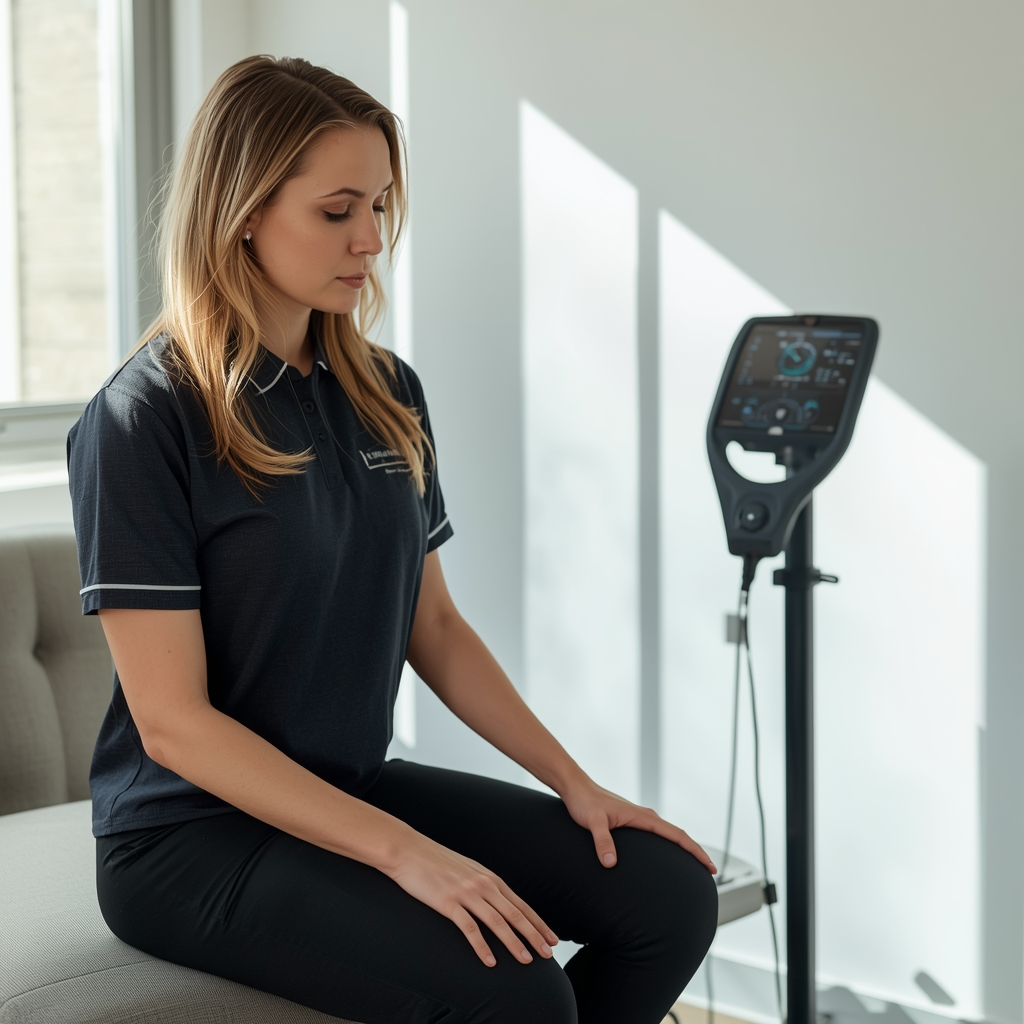
Understanding TENS and EMS: Basic Mechanisms
Transcutaneous electrical nerve stimulation (TENS) and electrical muscle stimulation (EMS) are both non-invasive therapies using electrical currents to address pain and muscle issues. TENS primarily targets nerve pathways to block pain signals, while EMS directly stimulates muscle contractions to improve strength and function. Both devices deliver low-voltage currents through electrodes placed on the skin, but their applications differ. TENS is often used for chronic pain management, whereas EMS focuses on muscle re-education and rehabilitation. Their distinct mechanisms make them suitable for different therapeutic goals, particularly in post-surgical recovery and muscle atrophy prevention. Understanding these differences helps healthcare providers, including chiropractors, determine the best fit for individual patient needs.
How TENS Addresses Pain and Recovery
TENS units work by sending electrical impulses through the skin to interfere with pain signals traveling to the brain. This process, known as the gate control theory, helps reduce the perception of pain. Additionally, TENS may stimulate the release of endorphins, the body’s natural painkillers. While TENS is not a direct treatment for muscle atrophy, it can support recovery by managing pain that might otherwise limit movement. For post-surgical patients, TENS can ease discomfort, enabling earlier mobilization and reducing the risk of complications like stiffness or blood clots. However, its role in rebuilding muscle strength is limited, making it more of a complementary tool than a primary intervention for muscle atrophy.
How EMS Supports Muscle Function and Rehabilitation
EMS devices generate electrical impulses that cause muscles to contract, mimicking natural muscle activity. This stimulation can help maintain or improve muscle tone, especially in cases of disuse atrophy following injury or surgery. By activating motor neurons, EMS promotes blood flow and metabolic activity in muscles, potentially accelerating recovery. It is often used to retrain muscles after immobilization or to enhance athletic performance. While EMS can be beneficial for muscle reactivation, its effectiveness depends on proper electrode placement and intensity settings. Chiropractors may incorporate EMS into rehabilitation plans to support neuromuscular function, but it is typically used alongside other therapies like manual adjustments or exercise programs.
TENS vs. EMS for Muscle Atrophy: Key Differences
When addressing muscle atrophy, EMS generally holds more direct potential than TENS. EMS stimulates muscle fibers to contract, which can prevent or reverse atrophy by maintaining muscle mass and strength. TENS, on the other hand, focuses on pain relief rather than muscle activation. While TENS may indirectly support recovery by reducing pain and enabling movement, it does not target muscle tissue itself. For patients with significant muscle weakness, EMS is often preferred for its ability to engage muscles actively. However, combining both therapies could offer a comprehensive approach, using TENS for pain management and EMS for muscle re-education. The choice depends on the patient’s specific condition and treatment goals.
Post-Surgical Recovery: TENS and EMS Applications
In post-surgical recovery, both TENS and EMS can play supportive roles. TENS helps manage pain, which is critical for encouraging early movement and preventing complications like joint stiffness. EMS, meanwhile, aids in restoring muscle function by promoting contractions in weakened areas. For example, after orthopedic surgery, EMS may be used to maintain muscle tone in immobilized limbs, while TENS alleviates discomfort during rehabilitation. Chiropractors might integrate these therapies to enhance recovery outcomes, particularly when combined with spinal adjustments or soft tissue techniques. However, the decision to use either modality should be guided by a healthcare provider, as improper use could delay healing or cause adverse effects.
Chiropractic Considerations: Choosing the Right Modality
Chiropractors often use TENS and EMS as adjuncts to spinal adjustments and manual therapies. For muscle atrophy, EMS is typically more suitable due to its direct impact on muscle activation. However, TENS can be valuable for managing pain that hinders mobility or rehabilitation. The choice depends on the patient’s condition, the stage of recovery, and the chiropractor’s expertise. Both therapies require proper training to ensure safety and effectiveness. Chiropractors should assess each patient individually, considering factors like muscle strength, pain levels, and overall health. While TENS and EMS are not substitutes for manual care, they can enhance treatment plans when used appropriately under professional guidance.












