
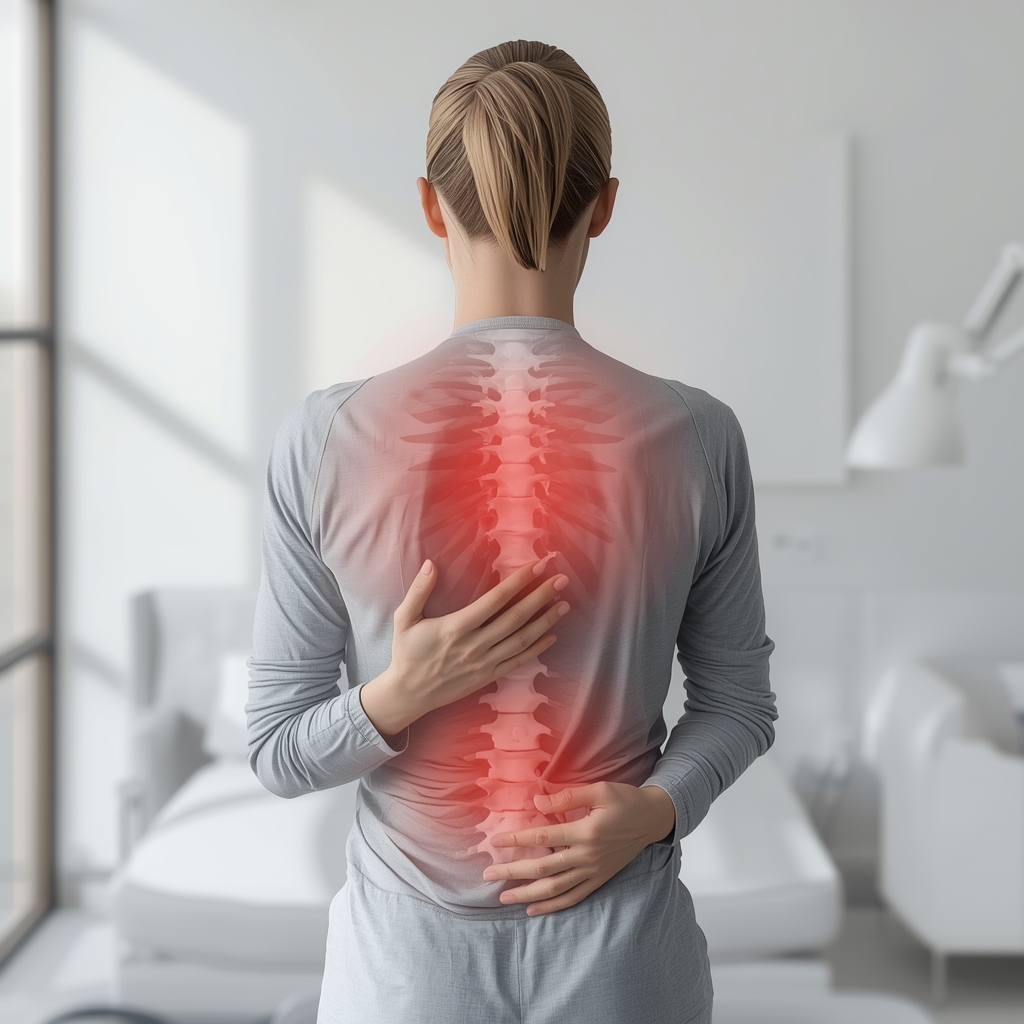
Introduction to Cold Laser Therapy and Acupuncture for Osteoarthritis
Osteoarthritis, a common joint condition, often causes chronic pain and reduced mobility. Both cold laser therapy and traditional acupuncture are non-invasive treatments that some individuals explore to manage symptoms. Cold laser therapy uses low-level light to stimulate cellular function, while acupuncture involves inserting thin needles into specific points on the body. These approaches aim to reduce inflammation, improve circulation, and alleviate discomfort. Though distinct in technique, both modalities are rooted in the principle of encouraging the body’s natural healing processes. Understanding their differences and potential benefits can help patients make informed decisions about their care. It’s important to note that neither treatment is a substitute for medical advice, and consulting a qualified healthcare provider is essential before starting any new therapy.
How Cold Laser Therapy Works for Joint Pain
Cold laser therapy, also known as low-level laser therapy (LLLT), involves applying a low-intensity laser to the skin to target affected joints. The light energy is believed to penetrate tissues and stimulate cellular activity, potentially reducing inflammation and promoting tissue repair. This method is non-invasive and typically painless, with some patients reporting a mild warming sensation during treatment. Research suggests that cold laser therapy may help ease pain and improve function in conditions like osteoarthritis by enhancing blood flow and reducing oxidative stress. However, the exact mechanisms are still under study, and results can vary. Many individuals find it a complementary option to traditional treatments, though its effectiveness should be discussed with a healthcare professional to determine if it aligns with their specific needs.
Traditional Acupuncture and Its Role in Pain Management
Acupuncture, a practice dating back thousands of years, involves inserting fine needles into specific points on the body to balance energy flow and alleviate pain. For osteoarthritis, practitioners target areas near affected joints to reduce inflammation and improve mobility. The procedure is generally well-tolerated, with minimal discomfort for most patients. While the exact physiological processes are not fully understood, acupuncture is thought to influence the nervous system, releasing natural pain-relieving chemicals like endorphins. Some studies indicate it may provide short-term relief for joint pain, though evidence varies. As with cold laser therapy, results depend on factors like the patient’s condition, the practitioner’s skill, and the treatment plan. It is crucial to seek care from a licensed acupuncturist to ensure safety and effectiveness.
Comparing Effectiveness and Safety Profiles
Both cold laser therapy and acupuncture are considered safe for most people, with few reported side effects. Cold laser therapy is often praised for its non-invasive nature and lack of needles, which may appeal to those with needle phobias. Acupuncture, while also generally safe when performed by a trained professional, carries a slight risk of minor bruising or soreness at needle sites. In terms of effectiveness, research on osteoarthritis is mixed. Some patients report significant pain relief from either treatment, while others find limited benefit. The choice between the two often depends on individual preferences, the severity of symptoms, and the practitioner’s recommendations. Neither therapy is a guaranteed solution, and ongoing evaluation with a healthcare provider is necessary to monitor progress and adjust the approach as needed.
Factors to Consider When Choosing a Treatment
Patients considering cold laser therapy or acupuncture for osteoarthritis should evaluate several factors. Personal comfort with the treatment method is key—some may prefer the absence of needles in cold laser therapy, while others trust acupuncture’s long-standing tradition. Cost, insurance coverage, and treatment frequency also play a role, as both therapies may require multiple sessions for optimal results. Additionally, the practitioner’s expertise and the clinic’s reputation are critical for safety and effectiveness. It’s advisable to consult a chiropractor or healthcare provider to discuss which option aligns best with the patient’s health goals and medical history. Open communication with the provider ensures that the chosen therapy is part of a comprehensive care plan tailored to the individual’s needs.
Conclusion: Integrating Both Approaches for Holistic Care
While cold laser therapy and acupuncture offer distinct approaches to managing osteoarthritis pain, they share a common goal: improving quality of life through non-invasive means. Some patients may find one method more beneficial than the other, while others might combine both for a holistic strategy. The key lies in working with qualified professionals who can assess individual needs and monitor progress. As research continues to evolve, staying informed about emerging evidence will help patients make decisions that support their health. Ultimately, these therapies are part of a broader spectrum of care, and their success depends on personalized planning, open dialogue with healthcare providers, and a commitment to overall well-being.












