
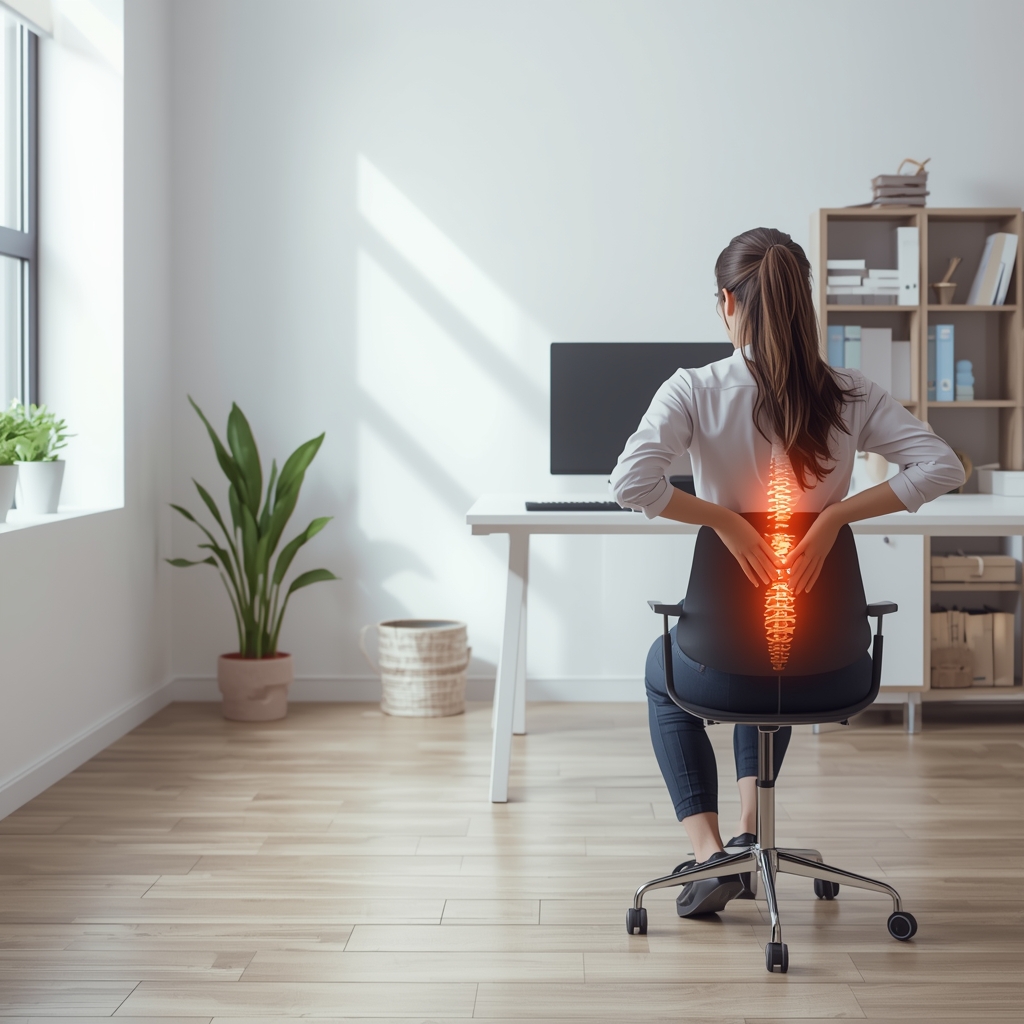
Understanding Sciatica in Office Workers
Sciatica, characterized by pain radiating along the sciatic nerve, often stems from compression or irritation of the nerve roots in the lower back. For office workers, prolonged sitting is a significant risk factor. Poor posture, lack of movement, and improper ergonomic setups can lead to spinal misalignments, herniated discs, or muscle imbalances that exacerbate sciatic symptoms. The lumbar spine bears increased pressure in seated positions, potentially narrowing spinal spaces and irritating nerves. Over time, this creates a cycle of discomfort, reduced mobility, and chronic pain. Recognizing this link between modern work habits and sciatica is crucial for developing targeted solutions. Chiropractic care offers a non-invasive approach to address these issues, focusing on restoring spinal function and alleviating nerve pressure through personalized interventions.
Chiropractic Adjustments for Spinal Alignment
Spinal adjustments are a cornerstone of chiropractic care for sciatica. By manually realigning the vertebrae, chiropractors reduce pressure on the sciatic nerve and restore proper biomechanics. This process can alleviate pain, improve nerve function, and enhance overall mobility. For office workers, misalignments in the lumbar or sacral regions often contribute to sciatic symptoms, making targeted adjustments essential. Chiropractors use precise techniques to correct these imbalances, promoting natural healing without medication or surgery. The goal is to create a stable, pain-free spine that supports healthy movement patterns. While individual responses vary, many patients report noticeable improvements after a series of adjustments. This approach aligns with the growing emphasis on non-invasive, patient-centered care for musculoskeletal conditions.
Soft Tissue Techniques and Muscle Relief
Sciatica often involves more than just spinal misalignment—it frequently includes tightness or inflammation in surrounding muscles, such as the piriformis or glutes. Chiropractors employ soft tissue therapies like Active Release Technique (ART) or myofascial release to address these issues. These methods reduce muscle tension, improve blood flow, and break up adhesions that may compress the sciatic nerve. By combining spinal adjustments with soft tissue work, chiropractors provide a comprehensive approach to pain relief. For office workers, who may experience muscle stiffness from prolonged sitting, these techniques can enhance mobility and prevent recurring discomfort. Patients often find that addressing both structural and muscular components leads to more sustainable outcomes, supporting long-term spinal health and comfort.
Ergonomic Recommendations and Posture Correction
Chiropractic care extends beyond in-office treatments by incorporating ergonomic advice tailored to office workers. A chiropractor may assess a patient’s workspace, recommending adjustments to chairs, desks, and computer setups to minimize spinal strain. Proper posture—such as maintaining a neutral spine and avoiding slouching—reduces pressure on the lumbar region and prevents nerve irritation. Additionally, chiropractors often guide patients in incorporating regular movement breaks, stretching routines, and core-strengthening exercises. These strategies complement spinal adjustments by addressing the root causes of sciatica. By integrating ergonomic principles into daily routines, office workers can mitigate the risks of prolonged sitting. This holistic approach empowers patients to take an active role in their recovery and long-term spinal health.
Complementary Therapies and Rehabilitation
Chiropractic care for sciatica often includes complementary therapies to enhance recovery. Techniques like heat therapy, cold therapy, or electrical stimulation may be used to reduce inflammation and ease muscle spasms. Chiropractors may also prescribe corrective exercises to strengthen core muscles, improve flexibility, and stabilize the spine. These exercises are designed to support the spine’s natural alignment and prevent future episodes of sciatica. For office workers, incorporating these practices into daily routines can reinforce the benefits of adjustments and soft tissue work. Additionally, lifestyle modifications—such as regular physical activity and stress management—play a role in overall spinal health. By combining multiple approaches, chiropractors create personalized plans that address both immediate symptoms and long-term wellness.
Long-Term Management and Preventive Care
Managing sciatica caused by prolonged sitting requires a focus on long-term strategies. Chiropractors work with patients to develop maintenance plans that include periodic adjustments, ergonomic checkups, and ongoing lifestyle guidance. These measures help prevent relapses and sustain spinal health over time. Office workers may benefit from scheduled visits to address minor misalignments before they escalate into chronic issues. Education on proper lifting techniques, movement patterns, and posture further empowers patients to protect their spines. By fostering a proactive approach, chiropractic care supports not only pain relief but also overall well-being. Regular communication with a chiropractor ensures that individual needs are met, allowing for adjustments to the care plan as circumstances change. This commitment to preventive care is essential for maintaining mobility and quality of life.












