
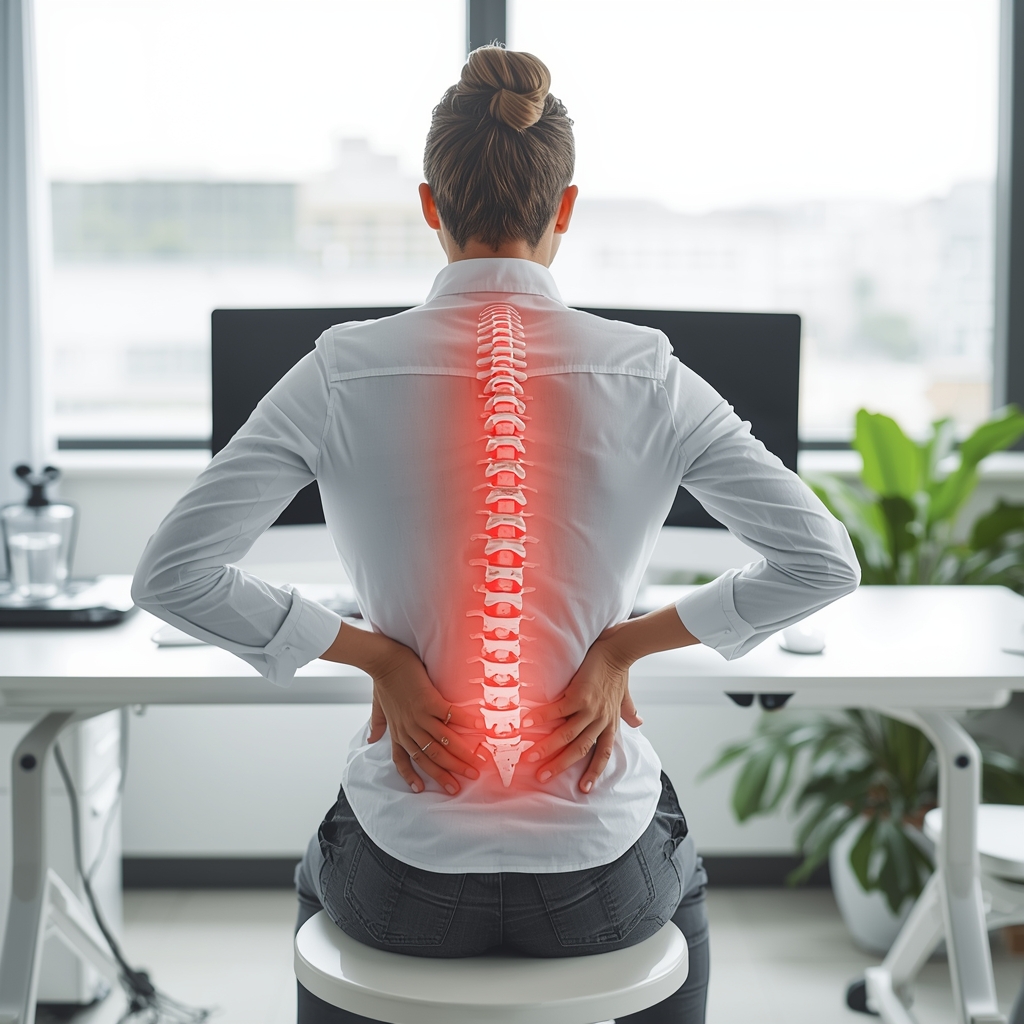
Understanding Sciatica in Office Workers
Sciatica, characterized by pain radiating along the sciatic nerve, often affects office workers due to prolonged sitting, poor posture, and repetitive movements. This condition arises when the sciatic nerve becomes compressed or irritated, typically from a herniated disc, spinal stenosis, or muscle spasms. Office workers may experience lower back pain that extends to the hips, buttocks, and legs, sometimes accompanied by numbness or tingling. While sciatica can stem from various causes, sedentary lifestyles and ergonomic challenges in workspaces are common contributors. Addressing this issue requires a tailored approach that considers the unique physical demands of desk-based jobs. Chiropractic care offers non-invasive techniques to alleviate pressure on the nerve, improve mobility, and restore function. Understanding the root causes and symptoms is the first step in developing an effective treatment plan that supports long-term relief and prevention.
Spinal Adjustments and Realignment Techniques
Spinal adjustments are a cornerstone of chiropractic care for sciatica, aiming to correct misalignments that contribute to nerve compression. Chiropractors use manual or instrument-assisted techniques to gently realign the spine, reducing pressure on the sciatic nerve. For office workers, this may involve targeting the lumbar or sacral regions, where sciatica often originates. The process typically begins with a thorough assessment to identify areas of subluxation, followed by precise adjustments tailored to the patient’s needs. These techniques can restore proper spinal mechanics, improve nerve function, and alleviate pain. While adjustments are generally safe, they should be performed by a licensed professional to avoid complications. Patients may experience immediate relief or gradual improvement over multiple sessions, depending on the severity of their condition. This approach is often combined with other therapies to maximize outcomes and address the multifaceted nature of sciatic pain.
Soft Tissue and Myofascial Release Techniques
Soft tissue therapies, such as Active Release Technique (ART) and myofascial release, are valuable for treating sciatica by addressing muscle tension and adhesions that contribute to nerve irritation. Office workers often develop tightness in the lower back, hips, and glutes from prolonged sitting, which can exacerbate sciatic symptoms. Chiropractors use these techniques to break down scar tissue, improve blood flow, and restore flexibility in affected muscles. ART involves applying pressure while the patient moves, targeting specific areas of restriction, while myofascial release focuses on releasing tension in the fascia surrounding muscles. These methods can reduce inflammation, enhance mobility, and decrease pain. When demonstrated in a clinical setting, patients often see visible improvements in range of motion and comfort. Combining soft tissue work with spinal adjustments creates a comprehensive approach to sciatica treatment, addressing both structural and muscular components of the condition.
Ergonomic and Postural Corrections
Addressing ergonomic and postural issues is critical for office workers with sciatica, as poor habits can perpetuate nerve compression and muscle strain. Chiropractors often demonstrate proper sitting, standing, and lifting techniques to reduce stress on the spine. For example, adjusting chair height, using lumbar support, and maintaining a neutral spine while working can alleviate pressure on the sciatic nerve. Patients may also receive guidance on setting up an ergonomic workspace, including monitor placement and keyboard ergonomics. Postural retraining exercises, such as core strengthening and stretching, help reinforce healthy movement patterns. Demonstrating these corrections in a clinical setting allows patients to practice and integrate them into daily routines. By prioritizing ergonomic adjustments, office workers can minimize the risk of recurring sciatica and promote long-term musculoskeletal health. This proactive approach complements other chiropractic treatments and empowers patients to take control of their well-being.
Therapeutic Exercises and Stretching Routines
Therapeutic exercises and stretching routines are essential components of sciatica management, especially for office workers who may spend long hours in static positions. Chiropractors often demonstrate low-impact exercises to strengthen core muscles, improve flexibility, and reduce nerve irritation. These may include pelvic tilts, hamstring stretches, and piriformis stretches, all designed to relieve pressure on the sciatic nerve. Patients are encouraged to perform these exercises regularly to maintain mobility and prevent stiffness. Additionally, guided stretching routines can help release tension in the lower back and hips, promoting better posture and circulation. When taught in a clinical setting, these techniques are tailored to individual needs, ensuring safety and effectiveness. Incorporating these practices into daily life can enhance the benefits of chiropractic care and support long-term recovery. Consistency is key, as regular movement helps sustain spinal health and reduce the likelihood of sciatic flare-ups.
Integrating Chiropractic Care with Daily Habits
For office workers, integrating chiropractic care with daily habits is vital for managing sciatica and preventing relapses. Chiropractors may demonstrate how to incorporate movement breaks, such as standing stretches or short walks, into a workday to counteract prolonged sitting. Patients are often advised to maintain hydration, practice mindful breathing, and prioritize sleep to support overall musculoskeletal health. Additionally, ergonomic assessments and posture checks can be part of a routine to ensure workspaces remain supportive. Chiropractors may also recommend complementary practices, like heat therapy or gentle yoga, to enhance recovery. By combining professional care with self-management strategies, office workers can achieve more sustainable results. This holistic approach empowers patients to take an active role in their health, fostering resilience against sciatic pain. Regular follow-ups with a chiropractor ensure adjustments and recommendations remain aligned with individual progress and needs.













