
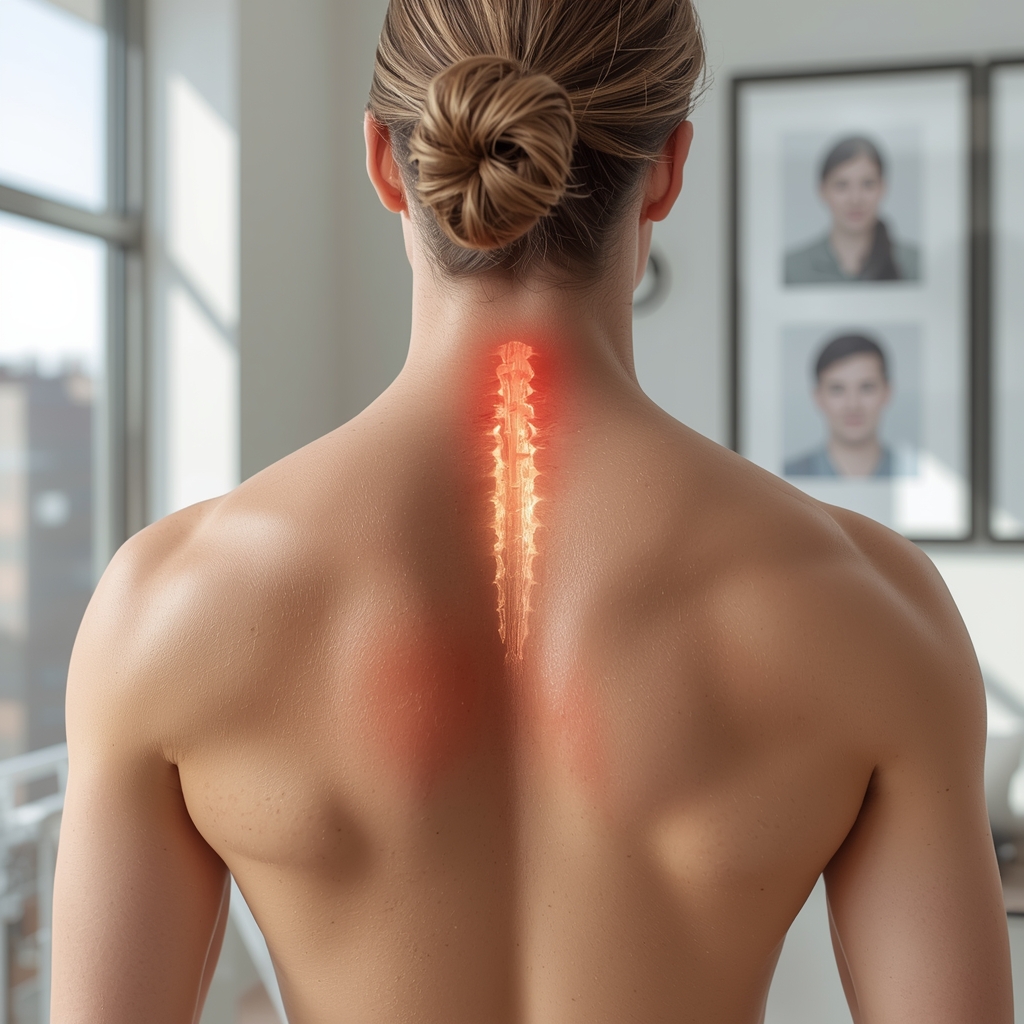
Understanding Active Release Technique (ART)
Active Release Technique (ART) is a specialized soft tissue therapy designed to address musculoskeletal issues by targeting myofascial adhesions—tight, fibrous bands that form in muscles and connective tissue. The latissimus dorsi, a large, flat muscle in the back, is particularly prone to adhesions due to its role in movements like pulling, twisting, and extending. These adhesions can restrict range of motion, cause pain, and contribute to chronic discomfort. ART practitioners use hands-on pressure and patient movement to break down these adhesions, restoring normal function. This technique is commonly used by chiropractors to complement spinal adjustments and improve overall musculoskeletal health.
What Are Myofascial Adhesions?
Myofascial adhesions form when the connective tissue surrounding muscles, known as fascia, becomes stiff or scarred due to injury, overuse, or poor posture. In the latissimus dorsi, these adhesions can develop from repetitive motions, such as lifting weights or sports activities, or from prolonged sitting. The result is restricted blood flow, reduced flexibility, and localized pain. Adhesions may also refer pain to other areas, making it difficult to pinpoint the source. By identifying and releasing these adhesions, ART helps alleviate symptoms and restore natural muscle function. This process is part of a broader approach to soft tissue rehabilitation, often combined with stretching and strengthening exercises for optimal results.
How ART Targets the Latissimus Dorsi
During an ART session targeting the latissimus dorsi, the practitioner applies precise pressure to the affected area while guiding the patient through specific movements. This combination of pressure and motion helps separate the adhered tissues, breaking down scar tissue and restoring elasticity. The latissimus dorsi is accessed through the lower back and mid-back regions, with the practitioner focusing on areas of tension or pain. By addressing adhesions in this muscle, ART can improve posture, reduce strain on the spine, and enhance athletic performance. The technique is tailored to the patient’s needs, with adjustments made based on their comfort and progress. Regular sessions may be recommended to maintain results and prevent recurrence of adhesions.
The ART Session Process
A typical ART session for the latissimus dorsi begins with a thorough assessment to identify areas of restriction. The chiropractor then applies manual pressure to the muscle while the patient performs controlled movements, such as arm swings or torso rotations. This dynamic approach helps the practitioner locate and release adhesions effectively. Patients may feel some discomfort during the process, but it should not be severe. The session may also include complementary techniques, such as stretching or myofascial release, to enhance outcomes. After the session, the practitioner may provide guidance on self-care, like gentle stretching or avoiding activities that strain the muscle. The number of sessions required varies depending on the severity of the adhesions and the patient’s response to treatment.
Expected Outcomes and Recovery
Patients undergoing ART for latissimus dorsi adhesions often report reduced pain, improved range of motion, and better posture. Many experience faster recovery from injuries or overuse conditions, as the technique promotes healing by restoring normal tissue function. Some may notice immediate relief, while others see gradual improvements over several sessions. Consistency is key, as repeated treatments help maintain flexibility and prevent new adhesions from forming. It’s important to note that ART is not a standalone solution; it works best when integrated with other therapies, such as physical therapy or corrective exercises. Results can vary, and a chiropractor can help set realistic expectations based on individual circumstances.
When to Consider ART for the Latissimus Dorsi
Individuals experiencing persistent back pain, limited mobility, or discomfort during movement may benefit from ART. This is especially true for those with a history of injury, repetitive strain, or poor posture. Athletes, office workers, and individuals with physically demanding jobs often seek ART to address muscle tightness and improve performance. However, it’s essential to consult a qualified chiropractor to determine if ART is appropriate for their condition. A professional evaluation ensures the technique is applied safely and effectively. Patients should also communicate any concerns or sensitivities to their practitioner to tailor the session to their needs. ART offers a non-invasive option for those looking to manage musculoskeletal issues without surgery or medication.













