
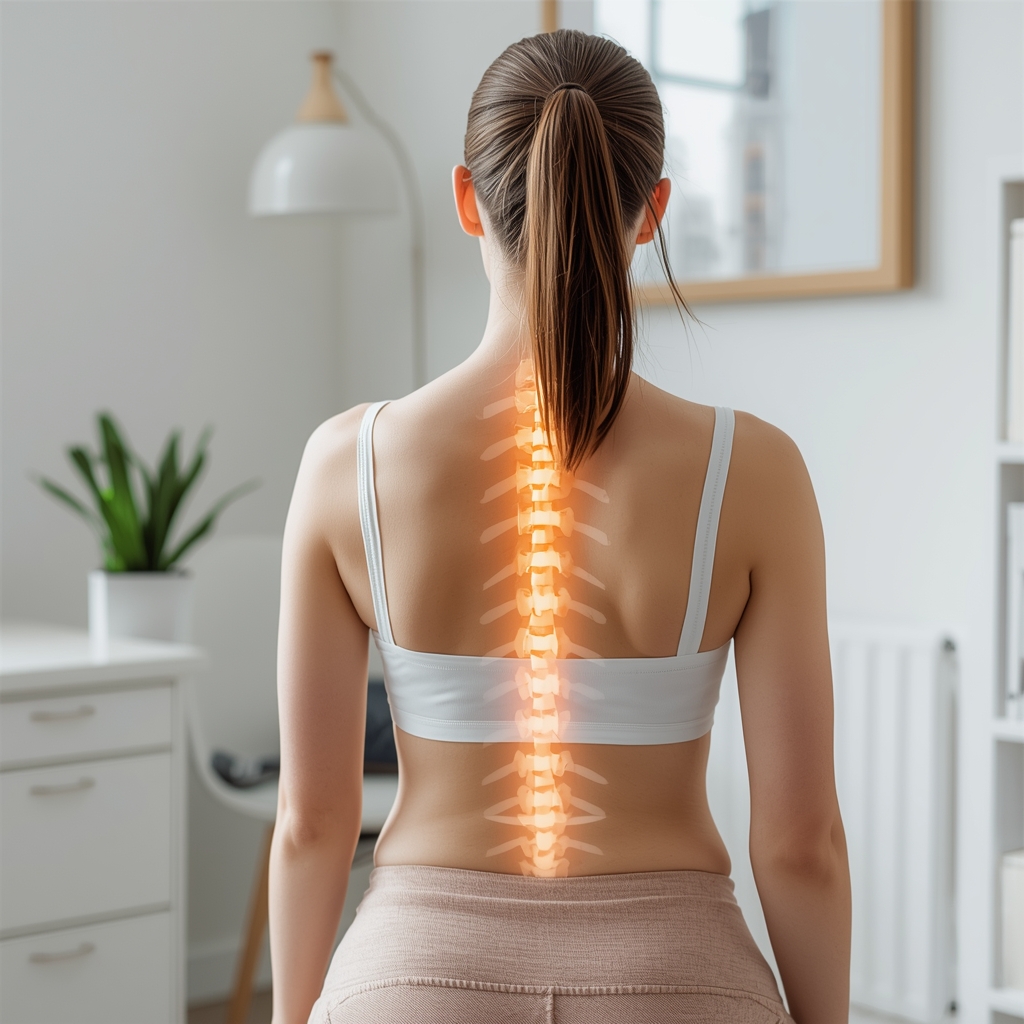
Understanding Scoliosis and Chiropractic Care
Scoliosis, a condition characterized by an abnormal sideways curvature of the spine, affects millions worldwide. While it often develops during childhood or adolescence, it can also occur in adults due to degenerative changes or other factors. Chiropractors play a vital role in managing scoliosis by addressing spinal misalignments that may contribute to discomfort or functional limitations. Dr. Jane Smith, a seasoned chiropractor with expertise in spinal conditions, explains that chiropractic care focuses on improving spinal alignment, reducing pain, and enhancing overall mobility. However, it’s essential to recognize that scoliosis is a complex condition requiring a personalized approach. Patients are encouraged to consult with a qualified chiropractor to explore how their unique needs can be addressed through non-invasive, holistic strategies.
Expert Insights: Chiropractic Techniques for Scoliosis
In a recent Q&A, Dr. Smith shared her perspective on how chiropractors approach spinal misalignments in scoliosis patients. She emphasized that while traditional spinal adjustments remain a cornerstone of care, techniques are often adapted to accommodate the curvature’s specific patterns. For instance, gentle adjustments may target areas of restricted movement, while soft tissue therapies can alleviate muscle tension that exacerbates discomfort. Dr. Smith also highlighted the importance of patient education, noting that many individuals with scoliosis benefit from learning posture strategies and exercises to support spinal health. She cautioned against a one-size-fits-all approach, stressing that each case requires careful evaluation to determine the most effective interventions.
Customizing Treatment Plans for Individual Needs
Every scoliosis case is unique, and Dr. Smith explained how chiropractors tailor treatment plans to address specific concerns. Factors such as the severity of the curvature, the patient’s age, and overall health influence the care strategy. For example, adolescents with mild scoliosis may receive regular monitoring and corrective exercises, while adults with degenerative changes might benefit from a combination of adjustments, rehabilitative exercises, and lifestyle modifications. Dr. Smith also noted that some patients seek chiropractic care alongside other treatments, such as physical therapy or bracing. She advised open communication with healthcare providers to ensure a coordinated approach. Ultimately, the goal is to enhance quality of life by reducing pain, improving function, and promoting long-term spinal stability.
Addressing Safety and Limitations of Chiropractic Care
While chiropractic care can be beneficial for many scoliosis patients, Dr. Smith emphasized the importance of understanding its limitations. She explained that severe cases—particularly those involving significant structural deformities or neurological symptoms—may require collaboration with orthopedic specialists or other medical professionals. Chiropractors are trained to recognize when a condition falls outside their scope of practice and will refer patients accordingly. Dr. Smith also highlighted the need for caution with high-velocity adjustments in certain cases, as improper technique could pose risks. Patients are encouraged to choose a licensed chiropractor with experience in spinal conditions and to discuss any concerns about safety or effectiveness before beginning treatment.
Integrating Chiropractic Care with Other Approaches
Dr. Smith described how chiropractic care often complements other treatments for scoliosis. For instance, patients may combine spinal adjustments with physical therapy to strengthen core muscles and improve posture. She also mentioned the role of ergonomic modifications, such as adjusting workspaces or sleep positions, in reducing strain on the spine. In some cases, chiropractors collaborate with orthopedic surgeons to manage patients undergoing bracing or surgical interventions. Dr. Smith stressed that the key to success lies in a multidisciplinary approach, where all healthcare providers work together to support the patient’s goals. She encouraged individuals to ask questions and seek second opinions if needed, ensuring they feel informed and empowered throughout their care journey.
Empowering Patients Through Education and Collaboration
Education is a critical component of chiropractic care for scoliosis, according to Dr. Smith. She explained that patients who understand their condition are better equipped to make informed decisions about their treatment. This includes learning about the natural progression of scoliosis, the role of exercise, and the importance of regular check-ups. Dr. Smith also encouraged open dialogue between patients and providers, noting that feedback helps refine care plans over time. She concluded by reminding readers that while chiropractic care can offer valuable support, it is most effective when integrated with other evidence-based approaches. By fostering a collaborative relationship with their healthcare team, patients can take an active role in managing their spinal health and improving their overall well-being.













