
Understanding BPPV and Its Connection to the Cervical Spine
Benign paroxysmal positional vertigo (BPPV) is a common inner ear disorder causing brief episodes of dizziness triggered by head movements. While primarily linked to displaced otoconia in the vestibular system, the cervical spine’s role in balance and posture may indirectly influence symptoms. Misalignments or tension in the neck can affect nerve pathways and blood flow, potentially exacerbating dizziness. Chiropractors often consider the cervical spine’s health when addressing vertigo, as structural imbalances might contribute to or complicate BPPV. This connection highlights the importance of a holistic approach to treatment, combining both mechanical and functional interventions.
How Cervical Spine Adjustments May Help
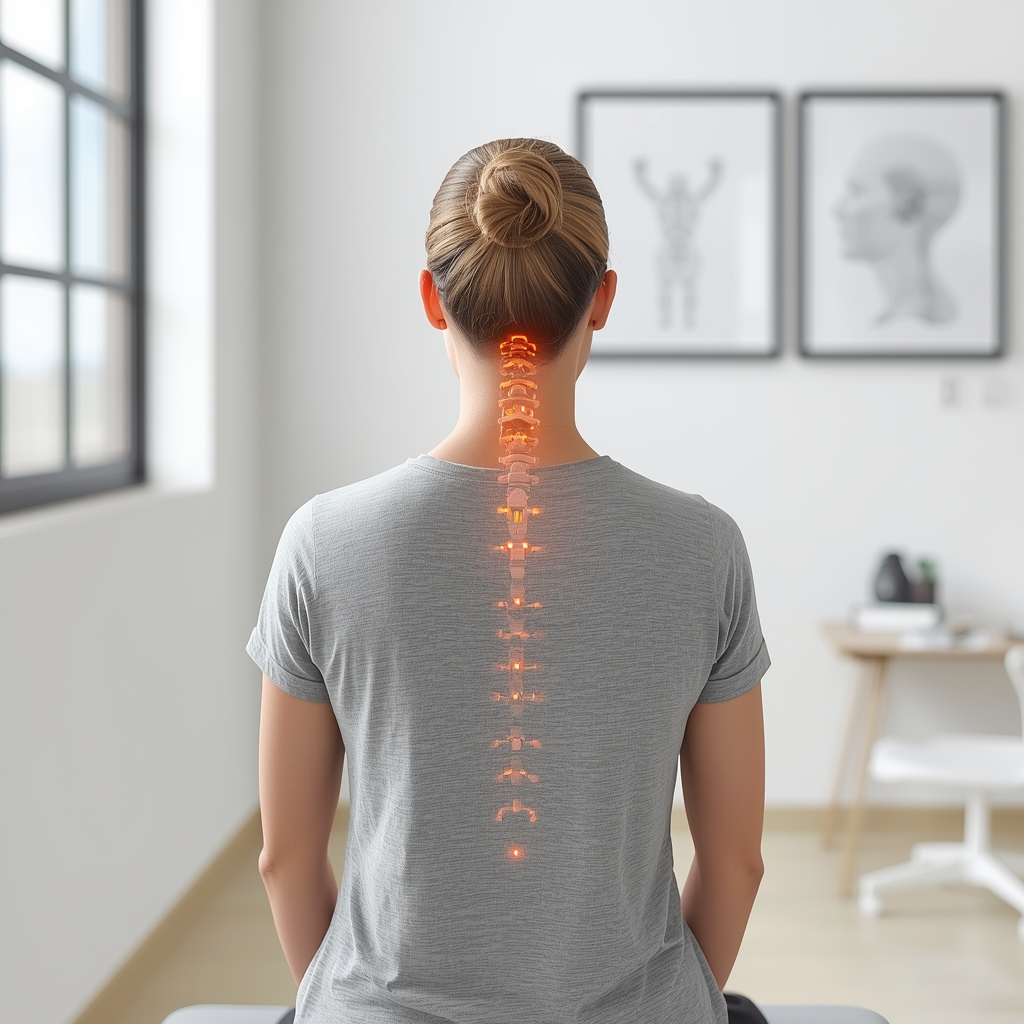
Cervical spine adjustments aim to correct misalignments (subluxations) in the neck, restoring proper joint function and nerve communication. For BPPV, these adjustments may alleviate pressure on nerves and improve circulation, which could reduce dizziness associated with cervical issues. Some practitioners believe that realigning the spine can enhance the body’s natural ability to reposition otoconia, though this remains a topic of ongoing research. While not a direct treatment for BPPV, adjustments may support overall balance and reduce secondary symptoms like neck pain or stiffness that often accompany vertigo. A chiropractor would evaluate individual cases to determine if this approach is appropriate.
Role of Vestibular Rehabilitation Exercises
Vestibular rehabilitation exercises are designed to retrain the brain to compensate for inner ear dysfunction, a key component of BPPV. These movements, such as the Epley maneuver, help reposition otoconia and improve balance. They are typically guided by physical therapists or vestibular specialists and focus on desensitizing the vestibular system. For some patients, these exercises provide significant relief by addressing the root cause of vertigo. However, their effectiveness can vary, and they may not resolve all cases. When combined with other therapies, vestibular rehab offers a targeted way to manage symptoms, emphasizing the importance of personalized care plans.
Synergistic Effects of Combining Both Approaches
Combining cervical spine adjustments with vestibular rehabilitation may offer complementary benefits for BPPV. Adjustments address potential structural contributors to dizziness, while exercises target the inner ear’s functional aspects. This dual approach could enhance recovery by improving both mechanical and neurological factors. For example, a realigned spine might reduce neck-related dizziness, allowing vestibular exercises to work more effectively. However, the synergy between these methods is not fully understood, and results vary by individual. A chiropractor or physical therapist would assess the patient’s condition to determine the best combination, ensuring safety and alignment with the patient’s needs.
When to Consider This Combined Approach
Patients experiencing persistent or recurrent BPPV may benefit from exploring a combined approach. If traditional vestibular exercises alone provide limited relief, or if neck pain or stiffness is present, a chiropractor might recommend spinal adjustments as an adjunct. This method is particularly relevant for individuals with a history of neck injuries or chronic postural issues. However, it’s crucial to consult a qualified provider before pursuing this path. A thorough evaluation helps identify whether cervical misalignments are contributing to symptoms, ensuring the treatment plan is tailored to the patient’s unique situation.
Safety and Considerations
While cervical adjustments and vestibular exercises are generally safe when performed by trained professionals, they are not without risks. Improper adjustments can cause harm, and vestibular exercises may initially worsen dizziness. Patients should seek care from licensed chiropractors and vestibular specialists to minimize complications. It’s also important to communicate openly with healthcare providers about all treatments being used. Combining therapies should never replace medical evaluation but rather support a comprehensive care strategy. Always prioritize professional guidance to ensure these approaches are appropriate and effective for your specific condition.













